-
WhatsAPP: +86 18706448138
-
Tengzhou, Shandong, China

Innovative Electrical Solutions for CNC Machines
Innovative Electrical Solutions for CNC Machines

How Does a Safety Door Switch Work? A Complete Guide for Manufacturers
Discover how safety door switches work, types, installation tips, and benefits for industrial machines. Expert guide from a trusted manufacturer.
Table of Contents
Introduction
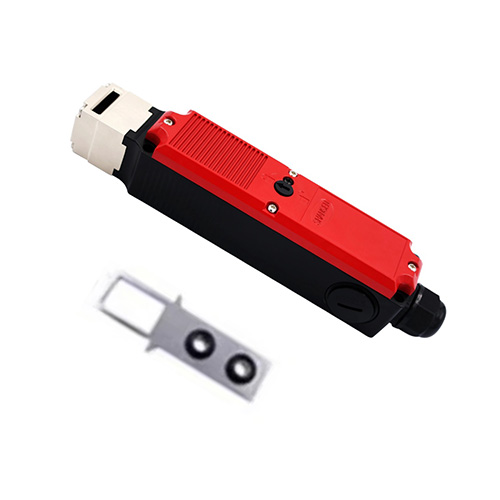
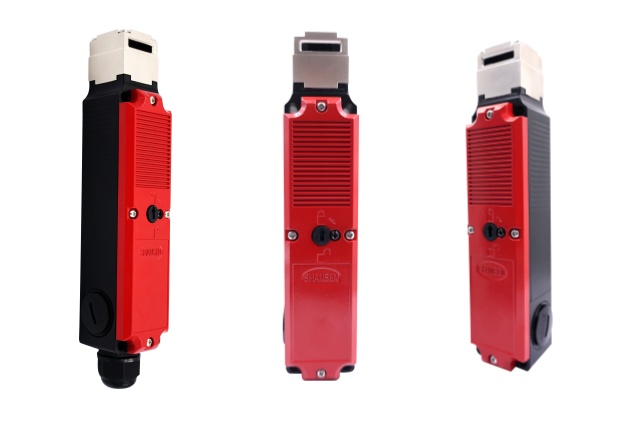
A safety door switch is an essential component in industrial machinery, designed to ensure operator safety by preventing machines from running when access doors or protective panels are open. As a manufacturer of safety door switches, we have seen firsthand how critical these devices are in reducing workplace accidents and maintaining regulatory compliance.
Safety door switches are commonly used in manufacturing plants, packaging machines, CNC machines, food processing lines, and other industrial equipment where human interaction with moving machinery is required. Their main function is to provide an interlock between machine operation and access doors, ensuring machines cannot operate under unsafe conditions.
Types of Safety Door Switches
Selecting the right type of safety door switch is crucial for effective safety management. The main types include:
Mechanical Safety Door Switch: Uses physical contacts to detect door closure. It is highly reliable for simple industrial applications.
Magnetic Safety Door Switch: Employs magnetic sensors to detect the door’s position. Offers contactless operation, which reduces wear and increases longevity.
Interlock Safety Door Switch: Combines the functionality of a mechanical or magnetic switch with an interlocking mechanism. Often used in complex machines where multiple safety conditions must be met before operation can resume.
Choosing the right type depends on your machinery, safety requirements, and environmental conditions.
Working Principle of Safety Door Switches
Safety door switches operate by monitoring the position of access doors or protective guards. When a door is opened, the switch sends a signal to the control system to stop the machine or prevent it from starting.
- Mechanical switches trigger a physical contact mechanism.
- Magnetic and sensor-based switches detect the door using a magnetic field or inductive sensor.
- These switches are often integrated with emergency stop systems to provide additional protection.
The integration of safety door switches into control systems ensures that machines operate only when all safety conditions are met, significantly reducing the risk of accidents.
Safety Door Switch Installation and Wiring
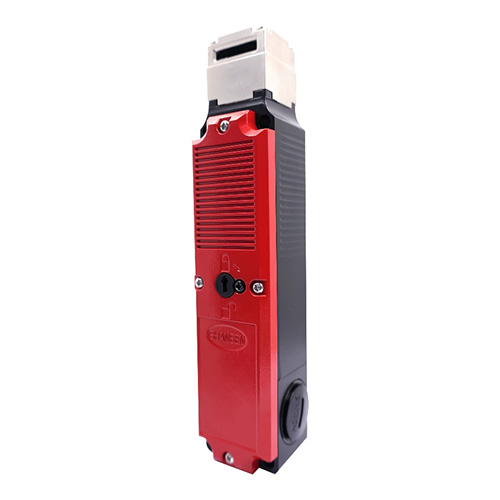
Proper installation is critical for optimal performance. Here are key steps and tips:
- Positioning: Install the switch at the door or panel where access needs to be restricted. Ensure it is securely mounted.
- Wiring: Connect the switch to the machine’s control circuit following the wiring diagram provided by the manufacturer.
- Testing: After installation, test the switch to ensure it interrupts machine operation when the door is open.
Example Wiring Table for Common Safety Door Switch Types:
| Switch Type | Voltage Rating | Application Area | Mounting Type |
|---|---|---|---|
| Mechanical | 24V – 240V AC/DC | Packaging machines | Panel mount |
| Magnetic | 24V DC | CNC machines, conveyors | Surface mount |
| Interlock | 24V – 230V AC/DC | Food processing equipment | Safety interlock mount |
Avoid common mistakes such as improper mounting, loose wiring, or ignoring environmental conditions like moisture and dust, which can affect switch reliability.
Benefits of Using High-Quality Safety Door Switches
Investing in reliable safety door switches provides numerous advantages:
- Enhancing Workplace Safety: Reduces the risk of operator injuries.
- Reducing Machine Downtime: Prevents accidents that could cause extended stoppages.
- Regulatory Compliance: Helps manufacturers meet OSHA, ISO, and other industrial safety standards.
- Durability: High-quality switches last longer under harsh industrial conditions.
Troubleshooting Common Safety Door Switch Issues
Even high-quality switches can face occasional problems. Common issues include:
- Switch Not Triggering: Check mechanical alignment or sensor calibration.
- False Alarms: Ensure no debris or magnetic interference is present.
- Wiring Faults: Inspect connections and verify voltage compatibility.
Regular inspection and preventive maintenance extend the lifespan of safety door switches and maintain safety reliability.
Choosing the Right Safety Door Switch for Your Production Line
When selecting a safety door switch, consider:
- Voltage rating and current capacity
- IP rating for dust and water protection
- Mechanical size and mounting type
- Manufacturer reputation and certifications
Comparing different brands and suppliers ensures you get the best quality for your machinery. Direct sourcing from a manufacturer guarantees authenticity, technical support, and compliance with safety standards.
Safety Door Switch vs Interlock Switch: Key Differences
While both devices enhance safety, understanding the difference is important:
- Safety Door Switch: Focuses on detecting door position and stopping machinery if the door is open.
- Interlock Switch: Prevents machine operation until multiple safety conditions are met.
- Combined Use: In complex industrial machines, both can be used together to provide multiple layers of protection.
Future Trends in Safety Door Switch Technology

The future of safety door switches is moving towards smarter and more integrated solutions:
- IoT and Smart Sensors: Enable remote monitoring and predictive maintenance.
- Compact and High-Precision Switches: Fit into smaller machines without compromising safety.
- Enhanced Durability: Resistant to moisture, dust, and vibration for harsh industrial environments.
Manufacturers are increasingly looking for switches that not only meet safety standards but also integrate seamlessly into automated production systems.
Conclusion
Safety door switches are vital components for maintaining industrial safety and ensuring machinery operates under controlled conditions. As a manufacturer, we emphasize the importance of choosing high-quality switches that are reliable, durable, and compliant with international standards. Integrating the right safety door switch into your production line reduces workplace accidents, prevents costly downtime, and ensures regulatory compliance. Investing in quality not only safeguards operators but also enhances overall operational efficiency.
FAQ
Q1: What is a safety door switch and why is it important?
A: A safety door switch is a device that prevents machines from operating when access doors or panels are open, ensuring operator safety and reducing workplace accidents.
Q2: How does a safety door switch work in industrial machines?
A: It detects the position of doors or guards and sends a signal to stop the machine if the door is open, often integrating with emergency stop systems.
Q3: Can a safety door switch be installed on any type of machinery?
A: Yes, but the type of switch—mechanical, magnetic, or interlock—should be chosen based on the machine’s size, environment, and safety requirements.
Q4: How often should safety door switches be inspected or tested?
A: Regular testing is recommended at least monthly, or according to your facility’s safety protocol, to ensure proper operation and compliance with standards.
Q5: What should I consider when choosing a safety door switch?
A: Key factors include voltage rating, IP protection, mounting type, compliance certifications, and compatibility with your industrial machine.