-
WhatsAPP: +86 18706448138
-
Tengzhou, Shandong, China

Innovative Electrical Solutions for CNC Machines
Innovative Electrical Solutions for CNC Machines

What Size Dust Collector Filters Do I Need?
Learn how to choose the right dust collector filters for your workshop or industrial system. Tips, types, sizes, and maintenance advice included.
Table of Contents
Dust collector filters are a critical component of any dust collection system, whether in industrial settings, woodworking shops, or home workshops. Choosing the correct size ensures optimal airflow, maximum dust capture, and extended equipment lifespan. Using the wrong size can lead to reduced efficiency, frequent clogs, and even equipment damage. In this article, we’ll guide you through everything you need to know to select the right dust collector filters for your system, with professional insights, practical tips, and a helpful comparison table.
Introduction
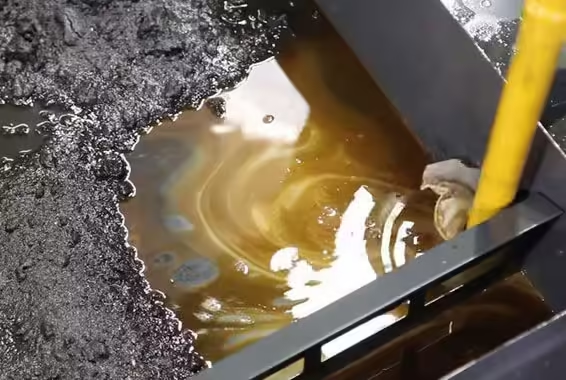
Dust collector filters are designed to trap airborne particles produced during cutting, sanding, grinding, or other industrial processes. Their main function is to maintain air quality, protect equipment, and prevent fine dust from settling on surfaces or being inhaled.
Filters work by allowing air to pass through a medium that captures dust particles. The effectiveness of a dust collector filter depends on factors such as material type, filtration efficiency, and proper sizing relative to your system’s airflow. HEPA-grade filters, for example, can capture particles as small as 0.3 microns, making them ideal for sensitive environments.
Types of Dust Collector Filters
Understanding the types of filters available helps you select the right one for your needs.
Pleated Dust Collector Filters: These filters increase surface area to capture more dust without restricting airflow. They are widely used in woodworking and small industrial settings.
HEPA Dust Collector Filters: High-Efficiency Particulate Air filters are capable of trapping extremely fine particles. While often more expensive, HEPA filters are essential for applications requiring clean air standards.
Cartridge and Bag Dust Collector Filters: Cartridge filters are compact and provide high filtration efficiency, while bag filters are cost-effective for large-scale industrial systems. Each type has its advantages depending on dust load and airflow requirements.
How to Determine the Right Size
Choosing the correct filter size depends on multiple factors:
- Airflow (CFM): Your dust collector’s airflow rating determines the minimum filter area needed for efficient operation.
- Dust Type: Fine dust requires higher filtration efficiency, while coarse dust may require larger surface area.
- Machine Model: Always check manufacturer specifications; they often provide recommended filter dimensions.
Measure your current filter, if available, and compare it to the system requirements. Using a filter too small can reduce suction and strain the fan, while an oversized filter may not fit properly.
Common Sizes and Standard Measurements
Dust collector filters come in a variety of standard sizes, but the choice depends on your equipment and application. The table below summarizes typical sizes for different systems:
| Filter Type | Standard Size (inches) | Common Application | Material |
|---|---|---|---|
| Pleated Cartridge | 10 x 20 x 2 | Woodworking, light industry | Polyester/Cellulose |
| HEPA Panel | 12 x 24 x 2 | Cleanrooms, fine dust control | Microfiber/HEPA |
| Bag Filter | 6 x 72 | Large industrial systems | Fabric/Polyester |
| Cylinder Cartridge | 14 x 28 x 2 | Heavy dust loads, metalworking | Polyester/Fiberglass |
This table shows the most commonly used sizes but always consult your machine’s specifications before purchasing. Custom sizes may be required for unique systems or retrofits.
Signs You Need a Different Filter Size
Even with the right type, an incorrect filter size can compromise performance. Watch for these indicators:
- Reduced suction or airflow
- Excessive dust escaping into the workspace
- Frequent clogging or early wear of the filter
- Increased motor strain or unusual noise
If you notice any of these signs, re-evaluating your filter size and type can restore efficiency and prevent long-term damage.
Maintenance Tips for Dust Collector Filters
Proper maintenance extends the lifespan of your filters and keeps your system running efficiently:
- Cleaning vs. Replacement: Reusable filters can be cleaned periodically with compressed air or washing (if allowed). Single-use filters should be replaced according to manufacturer guidelines.
- Regular Inspections: Check filters weekly for dust buildup, tears, or deformation.
- DIY Cleaning Tips: Use gentle methods to avoid damaging the media; avoid high-pressure water for delicate materials.
- Inspection Schedule: For heavy-use industrial systems, monthly checks are recommended, while light workshop use may allow longer intervals.
According to industry reports, proper maintenance can extend filter life by up to 50% and improve airflow efficiency by 20%, reducing operational costs.
Buying Dust Collector Filters
When purchasing dust collector filters, consider quality, compatibility, and cost:
- Where to Buy: Online suppliers and local distributors offer a wide range of filters for different applications.
- Quality Indicators: Look for reputable brands and certifications, such as MERV or HEPA ratings.
- Cost Considerations: Higher-quality filters may have a higher upfront cost but save money in the long term through durability and efficiency.
- Brand Insights: Leading brands in industrial filtration have extensive testing and engineering behind their products, ensuring consistent performance.
Conclusion
Selecting the right size dust collector filters is essential for maintaining a safe and efficient workspace. Proper sizing ensures optimal airflow, reduces wear on equipment, and improves dust collection performance. Regular maintenance and choosing high-quality filters further enhance efficiency and longevity. Check your system specifications, evaluate your dust type, and invest in the correct filters today to protect your health, equipment, and productivity.
FAQ
What are dust collector filters used for?
Dust collector filters trap airborne dust and particles to protect equipment, improve air quality, and maintain a clean workspace.
How often should I replace dust collector filters?
Replacement depends on usage and dust load; light workshop use may require annual replacement, while industrial use may need monthly or quarterly changes.
Can I clean and reuse dust collector filters?
Some filters are reusable if designed for cleaning. Follow manufacturer instructions to avoid damaging the filter media.
How do I choose the right dust collector filters?
Consider your machine’s airflow (CFM), dust type, and filter type. Check the manufacturer’s specifications for correct sizing and efficiency.
Are HEPA dust collector filters necessary?
HEPA filters are ideal for fine dust or sensitive environments, but standard filters may be sufficient for general woodworking or industrial dust.
Need Help Choosing the Right Dust Collector Filters?
If you’re unsure about which dust collector filters are best for your workshop or industrial system, our experts are here to help. Contact us today for a personalized consultation, and ensure your dust collection system is efficient, safe, and long-lasting. Don’t wait until dust buildup affects your equipment—get in touch now to protect your workspace and improve air quality!