-
WhatsAPP: +86 18706448138
-
Tengzhou, Shandong, China

Innovative Electrical Solutions for CNC Machines
Innovative Electrical Solutions for CNC Machines

Can oil water separators remove all types of oil?
Learn how oil water separators work, the types of oils they handle, and tips to maximize efficiency for industrial and commercial wastewater systems.
Table of Contents
Oil water separators are essential in industrial and commercial settings where wastewater contains oil or grease. These systems prevent environmental contamination, protect machinery, and improve workplace safety. Choosing the right oil water separator for your application is critical, especially since not all systems can handle every type of oil effectively. This article provides a detailed overview of how oil water separators work, the types of oils they can treat, and best practices for maximizing their efficiency.
Introduction
An oil water separator is a device designed to remove oil and suspended solids from water, producing clean water that can be safely discharged or reused. These systems are widely used in manufacturing plants, automotive workshops, marine operations, and food processing facilities. According to industry reports, using an appropriately sized oil water separator can reduce oil discharge in wastewater by up to 95%, helping organizations meet environmental compliance standards while reducing maintenance costs.
The importance of oil separation extends beyond compliance. Excess oil in wastewater can cause equipment corrosion, pump failures, and blockages in drainage systems, which can lead to costly repairs. By removing oils efficiently, you not only protect your investment but also maintain a cleaner and safer work environment.
How Oil Water Separators Work
Oil water separators operate based on differences in density between oil and water. Oil, being lighter, rises to the surface, where it can be collected, while water passes through filters or baffles. There are different technologies applied to increase separation efficiency:
- Gravity separation uses simple tanks where oil naturally floats above water.
- Coalescing separators force smaller oil droplets to merge into larger ones, speeding up separation.
- Centrifugal separators spin the wastewater, using centrifugal force to separate oil from water.
- Membrane separators employ fine filtration layers to trap both free-floating and emulsified oil particles.
Separation efficiency depends on factors such as oil type, water temperature, flow rate, and the presence of contaminants. For example, emulsified oils or high-viscosity oils require more advanced technologies to achieve effective separation.
Types of Oils and Their Separation Challenges
Not all oils are equally easy to remove from water. Understanding the characteristics of each type is crucial when selecting an oil water separator:
- Light oils, such as gasoline or kerosene, separate easily due to low viscosity and low density.
- Heavy oils, like hydraulic fluids or lubricants, require larger surface areas or coalescing filters for effective removal.
- Emulsified oils, often found in industrial wastewater, are mixed with water at a microscopic level, making separation more complex and often requiring pre-treatment or specialized separators.
- Synthetic and vegetable oils behave differently in separation systems; their chemical composition may affect separation speed and efficiency.
Types of Oil Water Separators
Different separator designs are tailored for varying applications. The main types include:
| Separator Type | Best For | Oil Types | Typical Applications | Notes |
|---|---|---|---|---|
| Gravity Separator | Simple wastewater | Light oils | Workshops, light industrial | Easy to maintain but less efficient with emulsions |
| Coalescing Separator | Moderate to heavy oil load | Light to medium oils | Automotive, manufacturing | High efficiency, can handle emulsions with pre-treatment |
| Centrifugal Separator | High oil content | Light to heavy oils | Marine, large industrial plants | Compact footprint, fast separation, suitable for continuous flow |
| Membrane Separator | Fine emulsified oils | Light to medium oils | Food processing, sensitive water reuse | Requires regular cleaning, high removal efficiency |
This table helps you compare the different technologies and select the one that fits your oil type and application.
How to Improve Oil Removal Efficiency
Even the best separators require careful operation to maintain efficiency:
- Maintain a regular cleaning and inspection schedule. Dirty baffles or membranes reduce performance.
- Adjust flow rate and temperature according to manufacturer guidelines. Sudden surges can overwhelm the system.
- Use pre-treatment steps for emulsified oils, such as chemical demulsifiers or settling tanks.
- Monitor both water and oil quality to detect when maintenance or adjustments are needed.
Studies show that properly maintained oil water separators can maintain 90-95% oil removal efficiency over years of operation, ensuring minimal environmental impact.
Maintenance and Troubleshooting
Regular maintenance ensures your oil water separator continues to perform efficiently:
- Inspect filters, baffles, and collection chambers weekly in high-use systems.
- Replace worn or damaged components promptly.
- Monitor for signs of reduced separation, such as oil escaping in the effluent or increased turbidity.
- Follow manufacturer guidance for cleaning centrifuge or membrane systems to prevent fouling and corrosion.
Neglecting maintenance can reduce separation efficiency, increase operational costs, and potentially violate environmental regulations.
Applications Across Industries
Oil water separators are used in a variety of industries:
- Manufacturing plants with hydraulic or coolant oils.
- Automotive workshops producing engine oil and lubricants.
- Marine vessels and shipping operations dealing with bilge water.
- Food processing facilities handling edible oils.
In each application, selecting the correct separator type and size ensures both regulatory compliance and operational efficiency.
Buying Guide for Oil Water Separators
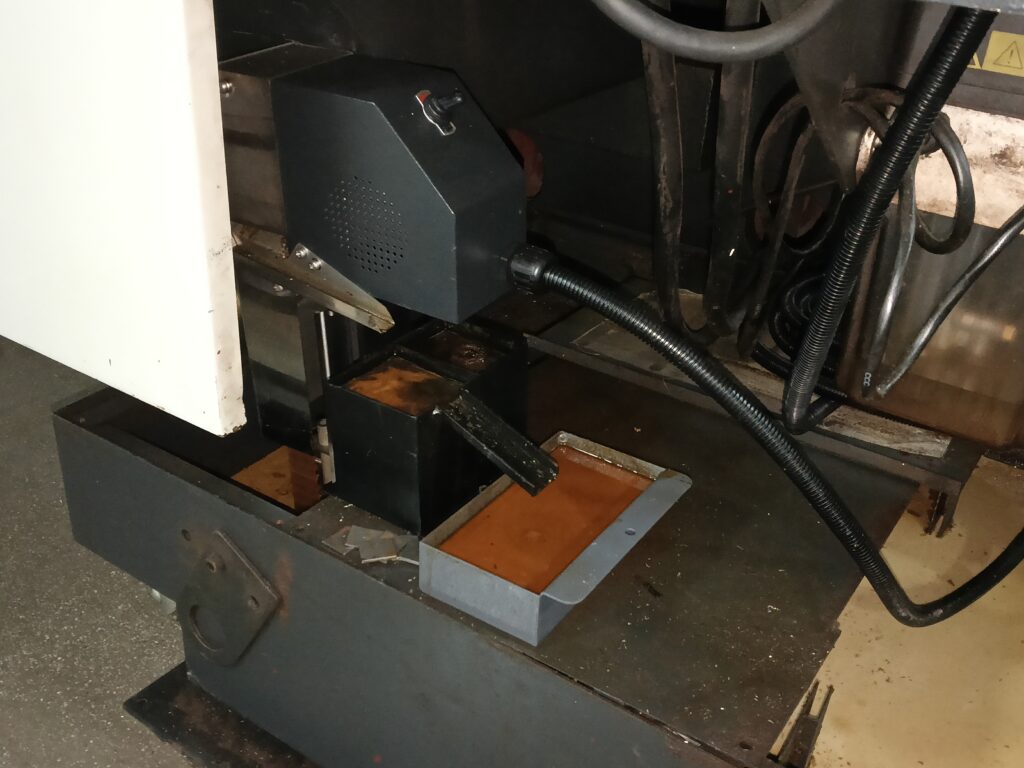
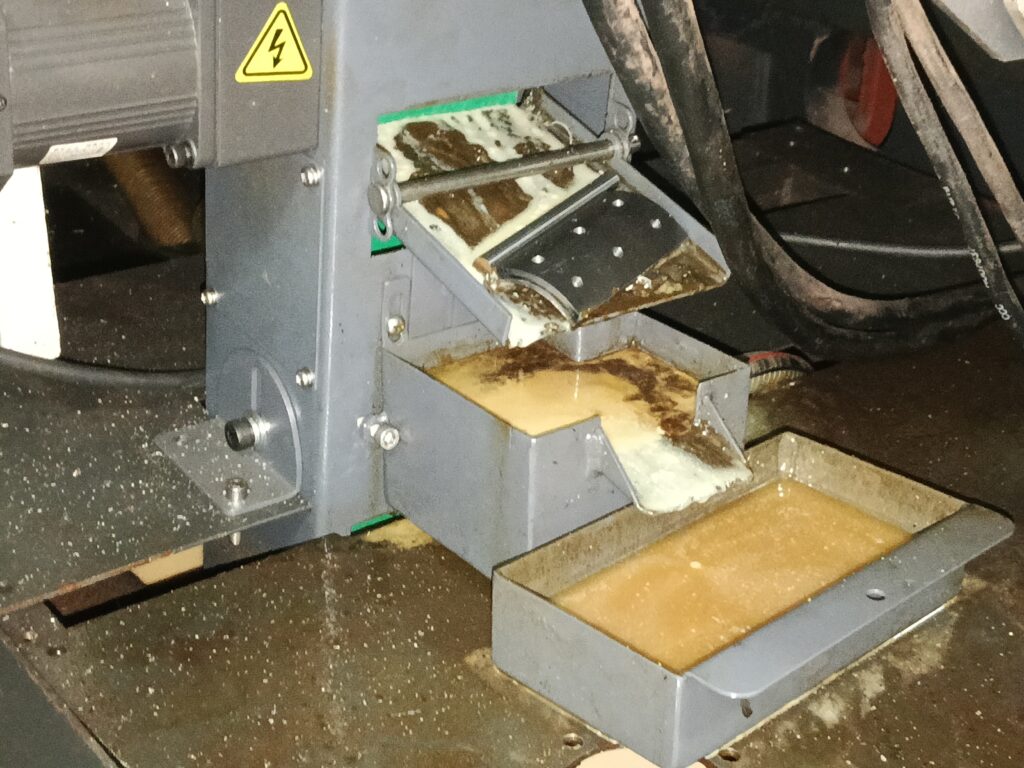
When purchasing an oil water separator, consider:
- The type of oil in your wastewater and its concentration.
- Flow rate and system capacity.
- Installation space and portability requirements.
- Cost versus long-term efficiency and maintenance requirements.
- Certifications, industry standards, and reputable brands.
Choosing the right system upfront reduces downtime, maintenance expenses, and ensures compliance with environmental regulations.
Conclusion
Not all oil water separators can remove every type of oil equally, but understanding oil characteristics and separator technologies allows you to choose the right system for your needs. Regular maintenance, proper sizing, and careful monitoring maximize efficiency and prolong equipment lifespan. Consult experts to select the most suitable oil water separator for your industrial or commercial application to ensure clean water, safer operations, and regulatory compliance.
FAQ
What is an oil water separator used for?
An oil water separator removes oil and suspended solids from wastewater to protect equipment, reduce pollution, and maintain clean water standards.
Can all types of oil be separated effectively?
No, light and free-floating oils are easy to separate, but emulsified or heavy oils may require advanced separators or pre-treatment.
How often should I clean or maintain an oil water separator?
Maintenance depends on usage and oil load. High-use industrial systems may need weekly inspections, while smaller workshops can check monthly.
What types of oil water separators are available?
Common types include gravity, coalescing, centrifugal, and membrane separators, each suited for different oil types and applications.
How do I choose the right oil water separator for my system?
Consider oil type, flow rate, installation space, and regulatory requirements. Consulting manufacturer specifications ensures proper sizing and efficiency.
Need Help Choosing the Right Oil Water Separator?
If you’re unsure about which oil water separator is best for your workshop or industrial system, our experts are here to help. Contact us today for a personalized consultation, and ensure your wastewater management system is efficient, safe, and compliant. Don’t wait until oil buildup causes damage—get in touch now to protect your equipment and your workspace!