-
WhatsAPP: +86 18706448138
-
Tengzhou, Shandong, China

Innovative Electrical Solutions for CNC Machines
Innovative Electrical Solutions for CNC Machines

Oil Skimmer Guide: Choosing the Right Model for Your Needs
Learn how to select the best oil skimmer for your tank or industrial system. Tips on types, features, and maintenance for efficient oil removal.
Table of Contents
Introduction
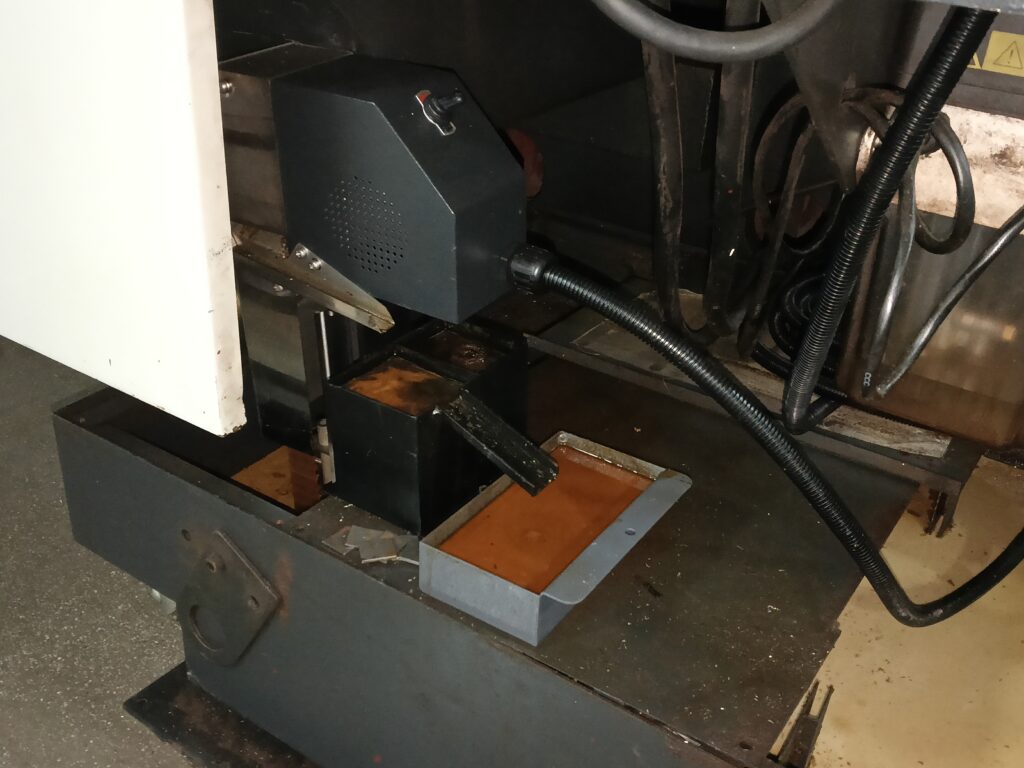
Oil contamination in industrial tanks, cooling systems, and water reservoirs poses serious challenges to efficiency, equipment longevity, and environmental safety. Managing floating oil layers effectively is essential to reduce maintenance costs and prevent environmental damage. An oil skimmer provides a practical solution by continuously removing oil from water or other liquids. Choosing the right oil separator is critical because efficiency, durability, and adaptability vary significantly across different models and applications.
What is an Oil Skimmer?
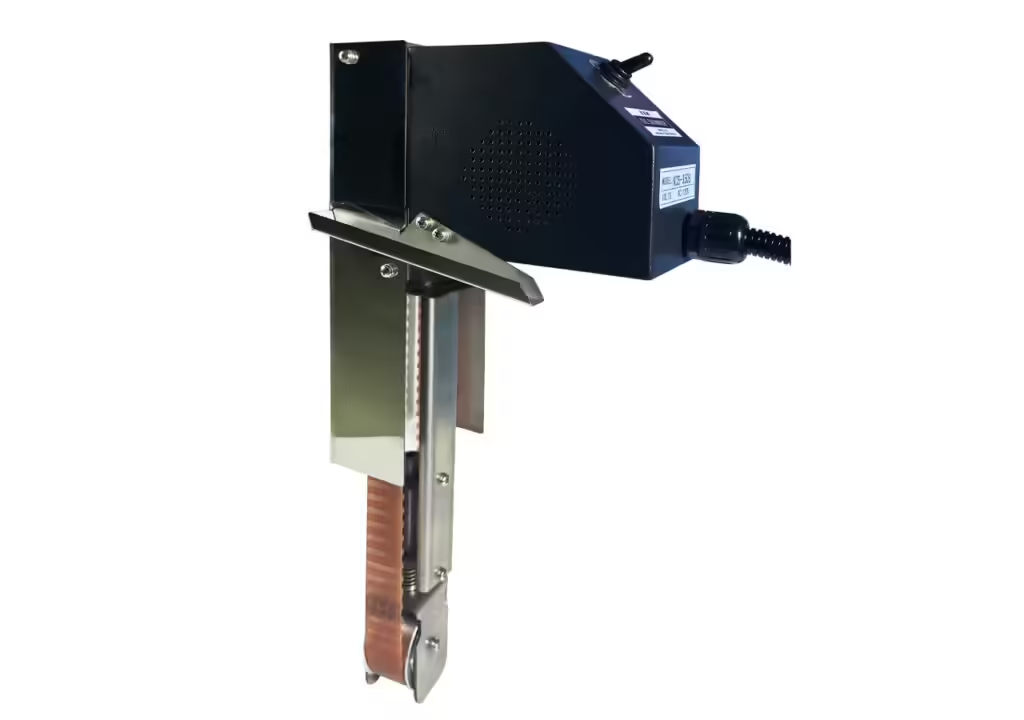
An oil separator is a device designed to remove floating oil from the surface of water or other liquids. It works by using a moving component—such as a belt, disc, or tube—that collects oil and deposits it into a collection container. This method prevents oil from accumulating, reduces maintenance downtime, and minimizes pollution risks. Oil separators are widely used in industrial processes, wastewater treatment, and environmental cleanup efforts. According to industrial maintenance reports, properly deployed oil separators can remove up to 90% of surface oil over a short period, significantly improving water quality.
Types of Oil Skimmers
Oil separators come in various designs, each suited for specific tasks:
- Belt Oil Skimmers: Ideal for high-volume industrial tanks; efficient at continuous oil removal.
- Disc Oil Skimmers: Compact and suitable for small tanks or moderate oil layers; versatile in industrial and environmental settings.
- Tube Oil separators: Effective for coolant tanks and machinery reservoirs; simple design with reliable performance.
- Floating Oil separators: Adaptable for ponds and reservoirs; can operate in outdoor and variable water conditions.
Each type has advantages and limitations depending on factors like tank size, oil viscosity, and required removal rate.
Key Features to Consider When Choosing an Oil Skimmer
When selecting an oil separator, consider the following:
- Removal capacity: Ensure the device can handle the volume of oil in your application.
- Material construction: Stainless steel and durable plastics resist corrosion and provide long-term performance.
- Power source: Manual, electric, or solar options influence operational convenience and cost.
- Portability vs. fixed installation: Choose based on whether you need flexibility or a permanent solution.
- Automation features: Automated skimmers reduce labor requirements and improve consistency.
Selecting the correct combination of these features ensures efficiency and cost-effectiveness.
Oil Skimmer Applications
Oil separators are widely used in:
- Industrial coolant tanks to maintain fluid quality and prolong machinery life.
- Wastewater treatment for separating oils and reducing environmental impact.
- Oil spill cleanup in ponds and reservoirs.
- Food processing machinery to prevent cross-contamination and maintain hygiene.
Data from industrial maintenance studies indicate that using oil skimmers can reduce total oil content in tanks by 70–90% within days, depending on flow rates and oil layer thickness.
Comparing Oil Skimmers with Other Oil Removal Methods
Different oil removal methods provide varying efficiency and suitability. The table below summarizes key differences:
| Oil Removal Method | Efficiency | Typical Use | Maintenance |
|---|---|---|---|
| Belt Oil separator | High | Industrial tanks | Medium |
| Disc Oil separator | Medium | Small ponds | Low |
| Tube Oil separator | Medium | Coolant tanks | Medium |
| Absorbent Pads | Low | Small spills | High |
| Oil Separators | High | Wastewater plants | Medium |
This comparison helps you weigh the advantages of oil separators against alternative solutions based on efficiency and maintenance requirements.
Installation and Maintenance Tips
Proper installation enhances oil separator performance. Position the skimmer where oil accumulates most on the liquid surface. Regular maintenance, including cleaning the collection container and checking the moving parts, ensures consistent performance. High-quality skimmers can operate effectively for years with minimal intervention. Modular designs allow easy expansion or replacement when tank conditions change.
Benefits of Using an Oil Skimmer
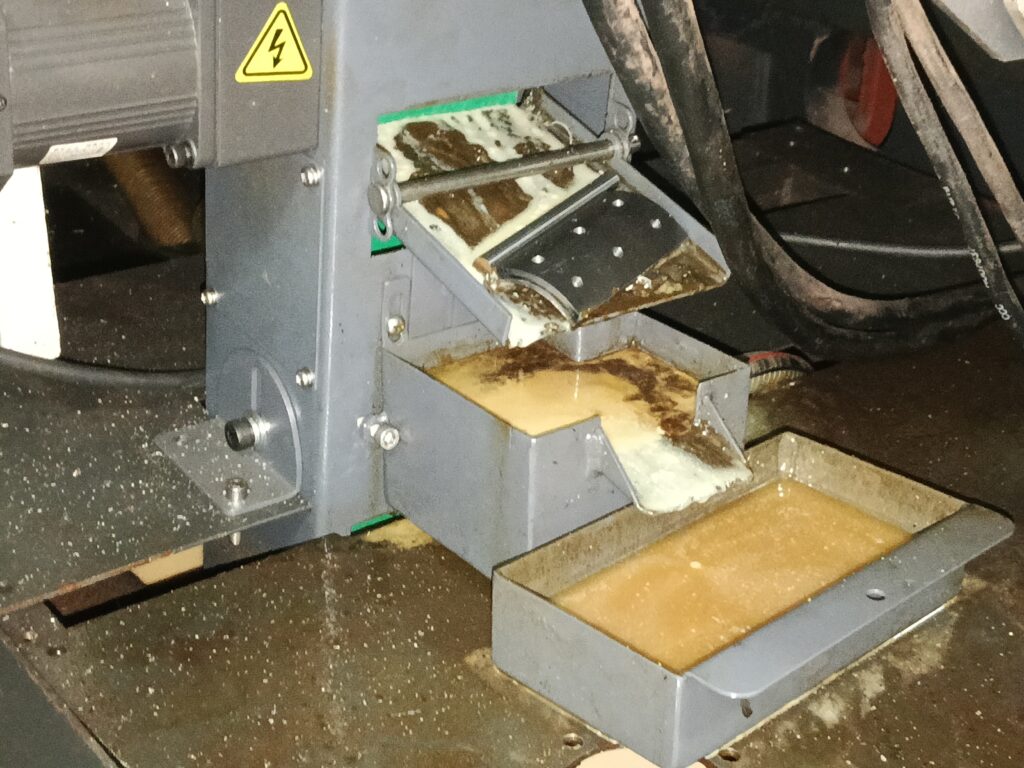
Using an oil separator provides multiple advantages:
- Environmental protection: Reduces oil discharge into wastewater or natural water bodies.
- Cost savings: Recovers valuable oil for reuse and reduces equipment wear.
- Workplace safety: Minimizes slippery surfaces and hazardous oil accumulation.
- Sustainability: Supports responsible industrial practices by managing oil waste efficiently.
Conclusion
An oil separator is a practical, efficient solution for managing surface oil in various industrial and environmental applications. By understanding the types, key features, applications, and maintenance requirements, you can choose a model that improves efficiency, reduces costs, and protects the environment. Investing in the right oil skimmer ensures long-term performance and safer, cleaner operations.
FAQ
What is an oil skimmer?
An oil separator is a device designed to remove floating oil from the surface of water or other liquids, improving efficiency and preventing contamination.
How does an oil separator work?
It collects oil using a moving component like a belt, disc, or tube and deposits it into a container, separating oil from water effectively.
What types of oil skimmers are available?
Common types include belt skimmers, disc skimmers, tube skimmers, and floating skimmers, each suited for different tank sizes and applications.
Can an oil skimmer remove all kinds of oil?
Most oil separators handle light to medium oils efficiently, but performance may vary for very heavy or viscous oils.
How often should I maintain an oil skimmer?
Regular maintenance, including cleaning the collection container and inspecting moving parts, ensures long-term performance and reliability.
Need Help Choosing the Right Oil Skimmer?
If you’re unsure which oil separator is best for your tank, pond, or industrial system, our experts are here to help. Contact us today for a personalized consultation, and ensure your equipment stays efficient, your water stays clean, and your operations run smoothly. Don’t wait until contamination becomes a problem—get in touch now to protect your machinery and environment!