-
WhatsAPP: +86 18706448138
-
Tengzhou, Shandong, China

Innovative Electrical Solutions for CNC Machines
Innovative Electrical Solutions for CNC Machines

How an Electric Circuit Board Works and Its Key Components
Table of Contents
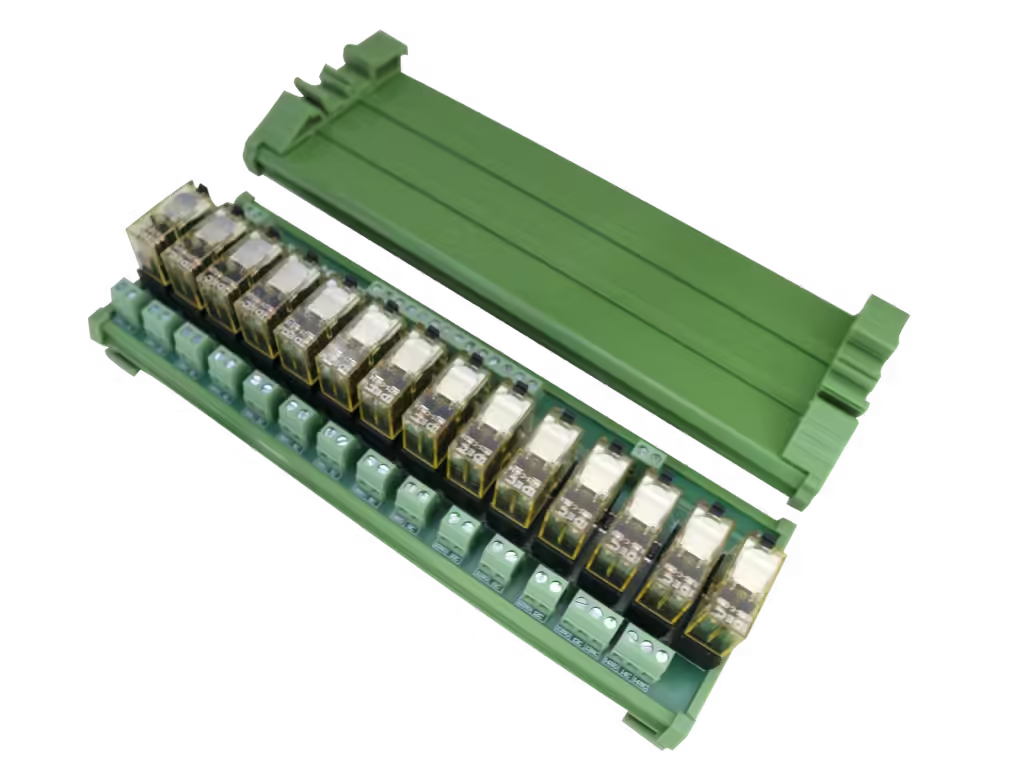
Electric circuit boards are at the heart of almost every electronic device you use, from simple household gadgets to complex industrial machinery. Understanding how an electric circuit board works and its key components is essential for engineers, hobbyists, and anyone interested in electronics. This guide will break down the structure, components, applications, and maintenance tips, providing you with a comprehensive view of electric circuit boards.
Introduction
An electronic board is a platform designed to physically support and electrically connect electronic components. These boards provide a stable base for circuits, allowing current to flow between components through conductive pathways, typically made of copper. Electronic boards are essential for ensuring devices operate efficiently and reliably. They differ from general circuit concepts in that the board provides a physical and structural platform, whereas circuits alone are abstract representations of electrical flow.
Components of an Electric Circuit Board
Electronic boards consist of multiple components, each serving a specific function:
- Resistors, Capacitors, and Inductors: Control current, store energy, and manage voltage fluctuations.
- Integrated Circuits (ICs) and Microcontrollers: Handle complex processing tasks and act as the brain of the device.
- Connectors, Switches, and LEDs: Enable input/output connections, manual control, and status indicators.
- Conductive Pathways and Soldering: Copper traces and solder points form the electrical network linking components.
Understanding these components is crucial because each affects the board’s performance, efficiency, and durability.
Types of Electric Circuit Boards
Electronic boards come in various types depending on their complexity and use case:
- Single-layer boards: Contain a single conductive layer; ideal for simple circuits.
- Double-layer boards: Have conductive layers on both sides; suitable for moderately complex circuits.
- Multi-layer boards: Include multiple layers separated by insulation, used in high-density electronics.
- Flexible and rigid-flex boards: Adaptable to unconventional shapes and are often used in wearable or compact devices.
Selecting the right type depends on your project requirements, available space, and required electrical complexity.
How Electric Circuit Boards Work
Electronic boards work by providing a network of pathways that allow electricity to flow from the power source to each component. Components perform their designated roles, such as regulating current, processing signals, or providing feedback. For instance, resistors may limit current to protect sensitive components, while ICs process data signals for digital devices. Even a simple circuit board requires careful layout planning to avoid interference and ensure efficient operation.
Materials Used in Electric Circuit Boards
The materials used in electric circuit boards significantly influence performance:
- Substrate materials: Commonly FR4 (fiberglass), phenolic, or composite boards for structural support.
- Copper: Forms the conductive traces that carry electrical signals.
- Solder mask: Coating that protects copper traces and prevents accidental short circuits.
- Heat resistance: Ensures the board can operate under high temperatures without warping.
Choosing the right material enhances durability, thermal management, and longevity.
Manufacturing Process of Electric Circuit Boards
Creating an electronic board involves several steps:
- Design and Layout: Engineers use software like Eagle or KiCad to plan the circuit layout.
- Printing and Etching: Conductive traces are printed and etched onto the substrate.
- Assembly: Components are placed and soldered to the board.
- Testing and Inspection: Boards undergo electrical and mechanical tests to ensure functionality.
This structured process ensures high reliability, especially in industrial and commercial applications.
Common Applications of Electric Circuit Boards
Electronic boards are used across industries:
- Consumer electronics: Smartphones, laptops, and home appliances.
- Industrial systems: Control panels, automation, and robotics.
- Automotive: Engine control units, sensors, and infotainment systems.
- Medical and aerospace equipment: Critical monitoring devices and navigation systems.
The versatility of electronic boards makes them essential in virtually all modern technology.
Troubleshooting and Maintenance
Maintaining electronic boards is key to prolonging their life:
- Common issues: Short circuits, component failure, and overheating.
- Testing tools: Multimeters and continuity testers are commonly used.
- Maintenance tips: Keep boards clean, avoid moisture, and monitor operating temperatures.
Effective troubleshooting improves device reliability and reduces downtime in industrial environments.
Comparison of Electric Circuit Board Types
The following table highlights the differences between common types of electronic boards:
| Board Type | Layers | Typical Use | Complexity | Maintenance |
|---|---|---|---|---|
| Single-layer | 1 | Simple devices | Low | Low |
| Double-layer | 2 | Consumer electronics | Medium | Medium |
| Multi-layer | 4+ | High-density electronics | High | Medium |
| Flexible/Rigid-flex | Varies | Wearables, compact devices | Medium | Medium |
This comparison helps you evaluate which board type aligns with your project needs, balancing complexity, usage, and maintenance.
Advantages of Electric Circuit Boards
Electronic boards offer multiple benefits:
- Compact and efficient design that saves space.
- High reliability for repeated operations.
- Cost-effective for mass production.
- Customizable layouts for specialized applications.
These advantages make them indispensable in both consumer and industrial electronics.
Future Trends in Electric Circuit Boards
The electronic board industry is evolving:
- Flexible and 3D boards for wearable tech and robotics.
- Integration with Internet of Things (IoT) devices.
- Eco-friendly materials and sustainable manufacturing.
- Increased miniaturization and high-density layouts for advanced devices.
Staying informed about trends can help engineers and designers anticipate technological shifts.
Conclusion
Understanding how an electronic board works and its key components provides a foundation for design, troubleshooting, and innovation. By considering materials, types, and applications, you can select or design boards that meet performance and durability requirements. For anyone involved in electronics, mastering circuit board knowledge is a critical step toward creating reliable and efficient devices.
FAQ
What is an electric circuit board?
An electronic board is a platform that connects electronic components using conductive pathways, enabling electricity to flow and devices to function properly.
How does an electric circuit board work?
It works by directing electrical current through traces to components like resistors, capacitors, and microcontrollers, allowing the circuit to perform its intended function.
What types of electric circuit boards are available?
Common types include single-layer, double-layer, multi-layer, and flexible or rigid-flex boards, each suited for different levels of complexity and applications.
How do I maintain an electric circuit board?
Keep the board clean, dry, and at safe temperatures, inspect for damaged traces or loose components, and avoid static discharge to prolong its lifespan.
Can I design my own electric circuit board?
Yes, using design software like Eagle, KiCad, or Altium Designer, you can create custom circuit layouts for personal or professional projects.
Need Help Choosing the Right Electronic Board?
If you’re unsure which electronic board is best for your project or device, our experts are here to help. Contact us today for a personalized consultation, and ensure your circuit design is reliable, efficient, and built to last. Don’t wait until issues arise—get in touch now to optimize your electronics and protect your investment!