-
WhatsAPP: +86 18706448138
-
Tengzhou, Shandong, China

Innovative Electrical Solutions for CNC Machines
Innovative Electrical Solutions for CNC Machines

How Does a Door Safety Switch Work? Explained Simply
Learn how a door safety switch works, types, wiring, and selection tips to improve machine safety and performance.
Table of Contents
What Is a Door Safety Switch?
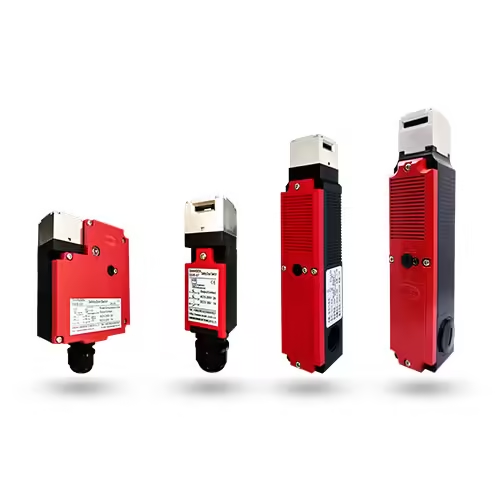
A door safety switch is a key component used in industrial environments to ensure that machines operate only when safety doors or guards are securely closed. It is commonly known as a safety interlock switch or door interlock device, and it plays a vital role in protecting operators from hazardous machine movements.
In modern automation systems, these devices are integrated into machine safety circuits to prevent unexpected startups. Whether used in CNC equipment, packaging lines, or production systems, an effective interlock solution is essential for maintaining safe and compliant operations.
Why Door Safety Switches Are Important for Industrial Safety
Industrial machines often involve moving parts, high temperatures, or electrical hazards. Without a proper safety mechanism, operators are exposed to serious risks.
A well-designed safety door switch helps:
- Stop machinery instantly when access doors are opened
- Prevent accidental startups during maintenance
- Improve compliance with industrial safety standards
- Reduce downtime caused by safety incidents
For any automated system, a reliable machine safety switch is a fundamental requirement rather than an optional feature.
How Does a Door Safety Switch Work? (Step-by-Step Explanation)
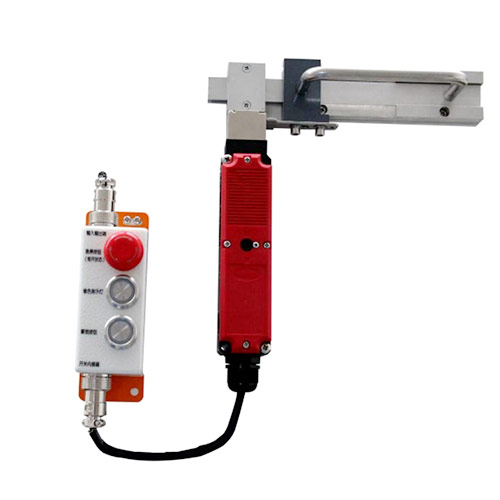
Basic Working Principle
The working principle is straightforward:
- When the door is closed, the interlock mechanism allows the control circuit to remain active
- When the door opens, the circuit is interrupted, and the machine stops immediately
This ensures that hazardous operations cannot continue while the operator has access to the machine.
Signal Transmission and Control
A typical interlock system is connected to a PLC or safety relay. When the switch changes state, it sends a signal that either enables or disables machine operation.
This setup allows for:
- Continuous monitoring of door status
- Automatic shutdown in unsafe conditions
- Integration into complex automation systems
Fail-Safe Design
Most modern interlock devices follow a fail-safe principle. In case of failure—such as wiring damage or component wear—the system defaults to a safe state and stops the machine.
This design significantly improves overall system reliability and operator protection.
Types of Door Safety Switches
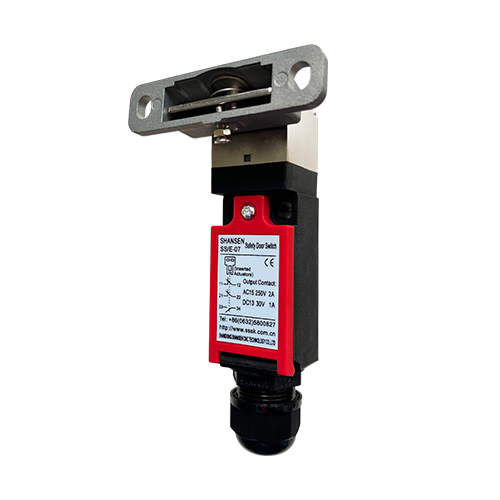
Different industrial environments require different types of safety solutions.
Mechanical Interlock Switch
- Uses physical contact between actuator and switch
- Cost-effective and widely used
- Suitable for standard industrial conditions
Magnetic Safety Switch
- Non-contact sensing design
- Ideal for dusty, wet, or high-vibration environments
- Reduced mechanical wear
RFID / Coded Interlock Switch
- Uses coded signals for enhanced security
- Prevents tampering or bypassing
- Suitable for high-risk applications
Key Components of an Interlock Safety System
A complete safety interlock system includes several essential parts:
- Switch unit – detects door position
- Actuator – mounted on the moving door
- Control module – processes safety signals
- Connection wiring – links components to the system
Understanding these components helps ensure proper installation and long-term performance.
Wiring and Installation Basics
Wiring Overview
Proper wiring is critical for safe operation. Most systems use:
- Normally Closed (NC) contacts for safety circuits
- Series connections to ensure redundancy
A well-designed interlock wiring setup ensures that any failure leads to a safe shutdown.
Installation Best Practices
- Align the actuator precisely with the switch body
- Install in a protected position to avoid mechanical damage
- Maintain proper spacing for reliable detection
Common Mistakes to Avoid
- Incorrect terminal connections
- Poor alignment between components
- Ignoring safety circuit requirements
Correct installation directly affects the performance and lifespan of the device.
Common Problems and Troubleshooting
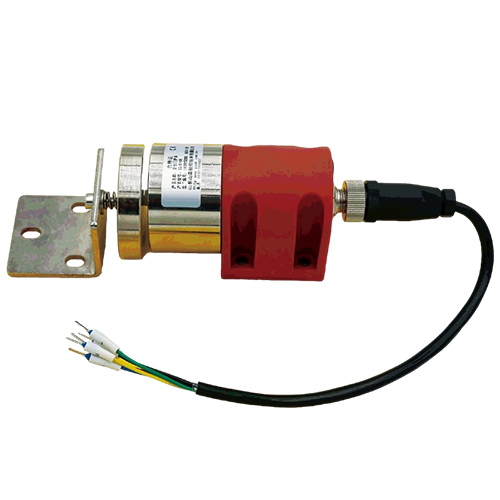
Even high-quality equipment may face issues over time.
Typical Issues
- Misalignment between switch and actuator
- Wiring faults or loose connections
- Wear due to frequent operation
Signs of Failure
- Machine does not start
- Unexpected shutdowns
- Intermittent signals
Basic Testing Method
A multimeter can be used to:
- Check electrical continuity
- Verify signal output
- Identify faulty components
Regular inspection and troubleshooting can prevent costly downtime.
How to Choose the Right Solution
Selecting the right interlock device depends on several factors:
- Environmental conditions (dust, water, temperature)
- Required safety level
- Frequency of operation
- Compatibility with existing systems
- Need for customization or OEM support
Quick Comparison Table
| Feature | Mechanical Type | Magnetic Type | RFID/Coded Type |
|---|---|---|---|
| Contact Method | Physical | Non-contact | Non-contact |
| Durability | Medium | High | Very High |
| Tamper Resistance | Low | Medium | High |
| Best Application | Standard machines | Harsh environments | High-security systems |
Choosing the correct solution improves both safety performance and operational efficiency.
Applications Across Industries
Interlock safety devices are widely used in various sectors:
- Industrial automation systems
- CNC and machining centers
- Packaging and assembly lines
- Food processing equipment
- Pharmaceutical manufacturing
Each application may require different specifications, such as waterproof or heavy-duty designs.
Choosing a Reliable Manufacturer
Working with an experienced door safety switch manufacturer ensures consistent quality and long-term reliability.
When evaluating suppliers, consider:
- Production capabilities and quality control processes
- Certifications such as CE and ISO
- Ability to provide OEM and customized solutions
- Stable delivery and technical support
A professional manufacturer can help tailor solutions to specific machine safety requirements.
Maintenance and Lifespan

Regular maintenance is essential for ensuring reliable operation.
Recommended practices:
- Inspect alignment and mounting condition
- Check wiring and connections
- Test functionality periodically
When to replace:
- Visible physical damage
- Frequent malfunction
- Reduced responsiveness
Proper maintenance not only extends lifespan but also ensures continuous safety compliance.
Conclusion
A door safety switch plays a crucial role in protecting operators and ensuring safe machine operation in industrial environments. By understanding how these devices work, how to select the right type, and how to maintain them properly, businesses can significantly reduce risk and improve efficiency.
From standard mechanical designs to advanced coded interlock systems, choosing the right solution depends on your specific application and safety requirements.
As a dedicated door safety switch manufacturer, providing reliable, durable, and customizable solutions is essential to meet the evolving needs of modern industry. If you are looking for a dependable supplier or require OEM support, partnering with an experienced manufacturer is the key to achieving long-term safety and performance.
FAQ
1. What is a door safety switch used for?
A door safety switch is used to stop or prevent machine operation when a safety door is opened. It helps protect operators and ensures compliance with industrial safety standards.
2. How does a safety interlock switch improve machine safety?
A safety interlock switch interrupts the control circuit when a door or guard is opened, immediately stopping the machine and reducing the risk of injury.
3. What is the difference between a mechanical and magnetic door safety switch?
A mechanical switch uses physical contact, while a magnetic version operates without contact. Magnetic types are more suitable for harsh environments due to reduced wear and longer lifespan.
4. How do I choose the right door interlock switch for my application?
You should consider factors such as environmental conditions, required safety level, installation space, and durability. For complex needs, working with an experienced door safety switch manufacturer is recommended.
5. How often should a door safety switch be inspected or replaced?
Regular inspections are recommended as part of routine maintenance. Replacement is necessary if the switch shows signs of wear, damage, or inconsistent performance.