-
WhatsAPP: +86 18706448138
-
Tengzhou, Shandong, China

Innovative Electrical Solutions for CNC Machines
Innovative Electrical Solutions for CNC Machines

How to Choose the Right Power Distribution Panel Board for Your Building
Learn how to select the ideal power distribution panel board for your building. Tips on installation, maintenance, and safe, reliable operation.
Selecting the right power distribution panel board is crucial for ensuring electrical safety, energy efficiency, and long-term reliability in any building. As a manufacturer of high-quality power distribution panels, we understand the factors that matter most when choosing a panel board. This guide provides practical tips, installation advice, maintenance suggestions, and insights into modern panel board options for residential, commercial, and industrial facilities.
Table of Contents
Understanding Power Distribution Panel Boards
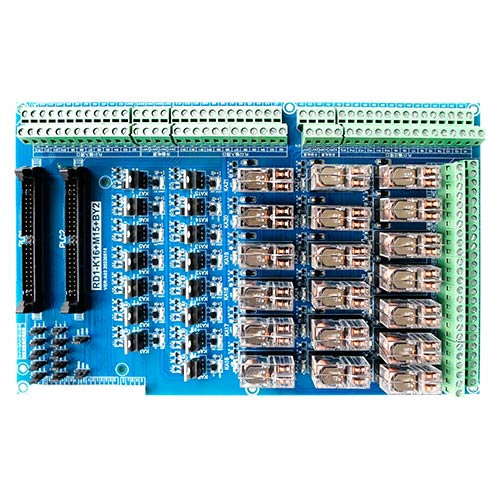
A power distribution panel board is a central hub that distributes electrical power to various circuits within a building. It houses circuit breakers, busbars, and other components that manage electricity flow, protect against overloads, and prevent electrical hazards. Understanding the types and components of these panels is essential for making informed decisions. Residential panels typically have fewer circuits, while commercial and industrial panels are designed to handle higher loads and more complex wiring.
Importance of Choosing the Right Panel Board
Selecting the right panel board ensures:
- Electrical Safety: Properly rated panels prevent overloading and reduce fire risk.
- Operational Reliability: High-quality components minimize downtime and maintenance issues.
- Energy Efficiency: Modern panel boards help optimize power usage.
- Code Compliance: Adhering to local regulations protects both property and occupants.
Using a panel board that meets building requirements ensures both safety and performance over time.
Factors to Consider When Selecting a Panel Board
When choosing a panel board, consider the following:
- Load Capacity: Ensure the panel can handle current and future power demands.
- Number of Circuits: Adequate circuit capacity prevents overloading and allows expansion.
- Breaker Types: Select circuit breakers that match your application for safety and durability.
- Material Quality: Durable enclosures and components resist wear, heat, and corrosion.
- Integration with Smart Systems: Modern energy management solutions enhance efficiency and monitoring.
Evaluating these factors carefully ensures a reliable and long-lasting electrical distribution system.
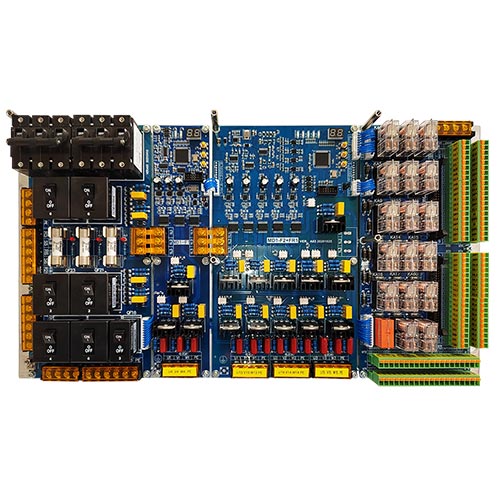
Types of Power Distribution Panel Boards
Panel boards come in various configurations to suit different applications:
- Main Distribution Panels vs Subpanels: Main panels receive incoming power, while subpanels distribute it locally.
- Indoor vs Outdoor Panels: Choose panels rated for environmental conditions.
- Custom vs Standard Panels: Custom panels can be designed to meet specific building requirements, while pre-fabricated panels are ready-to-install solutions.
Understanding the differences helps in selecting the panel that best fits your needs.
Installation Best Practices
Proper installation is key to ensuring safety and functionality:
- Mount panels in accessible locations away from moisture and heat.
- Follow correct wiring practices and adhere to safety codes.
- Use high-quality breakers and accessories to ensure consistent performance.
Correct installation protects both the building and the electrical system from damage.
Maintenance Tips for Long-Lasting Performance
Regular maintenance extends the life of a panel board:
- Schedule inspections to check for loose connections, corrosion, and wear.
- Keep the enclosure clean and free of dust.
- Replace worn components promptly to prevent failures.
Consistent maintenance reduces downtime and improves electrical safety.
Troubleshooting Common Issues
Even high-quality panels may face operational challenges:
- Overloaded Circuits: Can cause breakers to trip frequently.
- Loose Wiring: May lead to intermittent power or overheating.
- Component Failure: Signs include unusual sounds, burning smells, or discoloration.
Quick troubleshooting helps maintain reliability and safety.
Upgrading or Replacing Your Panel Board
Upgrades improve efficiency and meet growing power demands:
- Replace outdated panels with modern energy-efficient models.
- Consider higher-capacity breakers and smart monitoring options.
- Our manufactured power distribution panel boards are engineered to meet high safety and performance standards, making them ideal for upgrades.
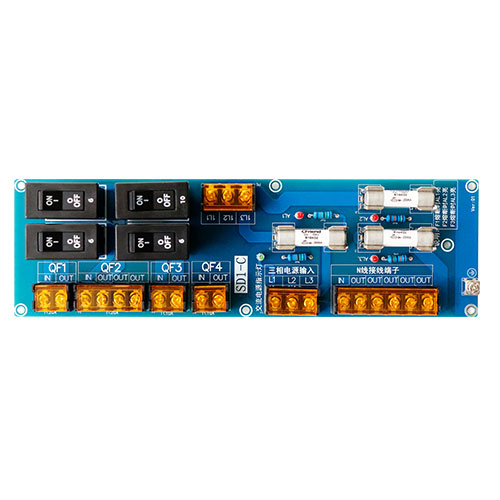
Applications Across Different Buildings
| Building Type | Typical Panel Board Use | Key Benefits |
|---|---|---|
| Residential | Distributes electricity to household circuits | Safety, space efficiency |
| Commercial Offices | Powers lighting, HVAC, and office equipment | Reliability, energy management |
| Industrial Facilities | Supports heavy machinery and production lines | High load capacity, durability |
These examples show the versatility of power distribution panels across different settings.
Conclusion
Choosing the right power distribution panel board requires careful consideration of load requirements, safety, installation, and maintenance. High-quality panels ensure operational reliability, safety, and energy efficiency. As a manufacturer, we provide durable, reliable, and efficient panel boards designed to meet the needs of modern buildings. By selecting the right panel and following best practices, you can ensure long-term performance and peace of mind for any facility.
FAQ: Power Distribution Panel Board
Q1: What is a power distribution panel board?
A power distribution panel board is an electrical device that distributes electricity to multiple circuits in a building, providing protection through circuit breakers and ensuring safe power management.
Q2: How do I choose the right power distribution panel board?
Consider load capacity, number of circuits, breaker types, installation environment, and future expansion needs to select a panel board that fits your building safely and efficiently.
Q3: What are the common types of power distribution panel boards?
Common types include main distribution panels, subpanels, indoor and outdoor panels, and custom versus standard pre-fabricated panels.
Q4: How often should a power distribution panel board be maintained?
Regular maintenance should be performed at least once or twice a year, including inspection, cleaning, tightening connections, and replacing worn components to ensure safe operation.
Q5: Can a commercial or industrial building benefit from upgrading its panel board?
Yes, upgrading to a modern, energy-efficient panel board with high-capacity breakers and smart monitoring enhances safety, reliability, and energy management for commercial and industrial facilities.