-
WhatsAPP: +86 18706448138
-
Tengzhou, Shandong, China

Innovative Electrical Solutions for CNC Machines
Innovative Electrical Solutions for CNC Machines

The Complete Guide to Dust Collector Systems for Factories
Learn how to select, install, and maintain dust collector systems for factories. Expert advice from a trusted industrial manufacturer.
Table of Contents
Introduction
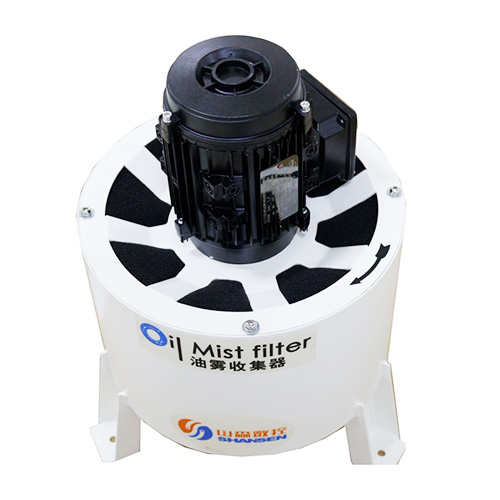
In modern factories, controlling dust is essential for safety, productivity, and equipment longevity. A high-quality dust collection solution captures airborne particles generated during manufacturing, keeping the workplace clean and compliant with industrial standards. As a trusted manufacturer, we provide industrial dust collector systems designed to meet the specific needs of each facility. Understanding how to select, install, and maintain the right system is key to achieving optimal factory performance.
Types of Dust Collection Solutions
Factories rely on different types of equipment depending on dust volume and particle size:
Cartridge Systems – Compact and efficient, ideal for fine dust in small to medium workshops.
Baghouse Units – Designed for heavy-duty, continuous operations, offering superior dust retention and long-term reliability.
Cyclone Separators – Low-maintenance units suitable for large, coarse dust particles, providing effective high-volume filtration.
| System Type | Ideal Use | Filtration Efficiency | Maintenance Needs | Common Applications |
|---|---|---|---|---|
| Cartridge | Fine dust, compact areas | High | Moderate | Woodworking, electronics |
| Baghouse | Heavy-duty, continuous operations | Very High | High | Metalworking, chemical plants |
| Cyclone | Coarse dust, high-volume | Medium | Low | Sawdust, grain processing |
These options help factories choose the right dust collection system for their specific needs.
Key Features
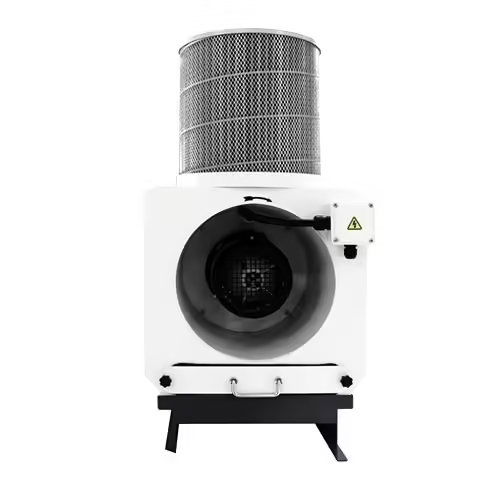
Modern industrial dust collection solutions offer features that improve safety and efficiency:
- High-efficiency filters capturing fine and microscopic particles.
- Automatic cleaning to reduce manual maintenance.
- Energy-saving designs for lower operational costs.
- Integration with existing machinery for smooth production flow.
- Compliance with workplace safety and environmental standards.
Investing in a high-efficiency dust collector ensures safer and more productive operations.
Choosing the Right System
When selecting a dust collection solution, factories should consider:
- Facility size and production volume – Larger facilities may require baghouse units, smaller workshops may use cartridge systems.
- Dust characteristics – Fine, coarse, or mixed dust determines the filtration technology.
- Maintenance and operating costs – Automated cleaning and energy-efficient designs lower long-term expenses.
- Return on investment – Consider equipment protection, improved air quality, and energy efficiency.
We guide factories to identify the best system based on operational requirements.
Installation and Setup
Proper installation ensures optimal performance:
- Plan ductwork and airflow to maximize dust capture.
- Verify electrical and mechanical connections meet safety standards.
- Position units for easy access during maintenance.
- Utilize manufacturer support for custom setup and configuration.
Correct installation reduces downtime and enhances system efficiency.
Maintenance and Troubleshooting
Routine maintenance keeps systems performing reliably:
- Inspect and replace filters as recommended.
- Check ducts and hoppers for blockages.
- Monitor airflow and system performance.
- Address mechanical or electrical issues promptly.
Manufacturer guidance helps resolve complex problems and maintain continuous operation.
Benefits
Investing in high-quality dust collection solutions provides multiple advantages:
- Cleaner air for employees and machinery.
- Extended equipment life by preventing dust buildup.
- Compliance with safety and environmental regulations.
- Improved operational efficiency and cost savings.
Factories adopting industrial dust collection solutions benefit from enhanced productivity and safer environments.
Partnering with a Reliable Manufacturer

Choosing a trusted manufacturer ensures system reliability:
- Certified systems meeting industry standards.
- Customized solutions for specific factory requirements.
- Professional support for installation, maintenance, and troubleshooting.
- Transparent pricing and warranty coverage.
We provide high-efficiency dust collector systems and expert support for industrial clients.
Industry Applications
Dust collection systems are widely used across industries:
- Woodworking – Managing sawdust and fine particles.
- Metalworking and machining – Capturing metal shavings and debris.
- Pharmaceuticals and chemicals – Maintaining contamination-free production.
- Food processing – Ensuring hygienic, dust-free environments.
Customized solutions help factories operate safely, efficiently, and in compliance with regulations.
Conclusion
A well-designed dust collector system is essential for modern factories, ensuring cleaner air, safer workplaces, and longer equipment life. Selecting the right system involves assessing facility size, dust type, and operational needs. Partnering with a reputable manufacturer guarantees reliable performance and professional support. Investing in high-quality industrial dust collector systems helps factories improve productivity, maintain compliance, and achieve cost savings.
Contact us today to explore custom high-efficiency dust collection solutions tailored to your factory’s unique requirements.
FAQ: Dust Collector System
Q1: What is a dust collector system?
A: A dust collector system is a device used in factories to capture and remove airborne dust and particles, improving air quality, workplace safety, and equipment lifespan.
Q2: How do I choose the right dust collector system for my factory?
A: Consider your factory size, dust type, production volume, and maintenance needs. Industrial dust collector systems vary in design—cartridge, baghouse, or cyclone units—depending on your requirements.
Q3: How often should a dust collector system be maintained?
A: Regular maintenance is essential. Inspect filters, check ducts for blockages, and ensure airflow is consistent. Proper upkeep extends the lifespan and efficiency of your dust collection solution.
Q4: What are the benefits of using a high-efficiency dust collector system?
A: High-efficiency systems reduce airborne dust, protect machinery, ensure regulatory compliance, and improve energy efficiency, enhancing productivity and safety in industrial environments.
Q5: Can I get a customized dust collector system for my factory?
A: Yes, manufacturers offer custom solutions tailored to your factory’s size, dust type, and production process, ensuring optimal performance and long-term reliability.