-
WhatsAPP: +86 18706448138
-
Tengzhou, Shandong, China

Innovative Electrical Solutions for CNC Machines
Innovative Electrical Solutions for CNC Machines

How Does a Flexible Flat Cable Work in Modern Electronics
Learn how flexible flat cables work, their structure, key benefits, and how to choose the right solution for modern electronic applications.
Table of Contents
As a professional manufacturer of flat cable solutions, we often hear a common question: how do these thin, flexible connections actually function inside modern devices?
In today’s electronics, where compact design and reliability are essential, FFC cables have become a practical choice for engineers across industries. This article explains how they work, where they are used, and how to select the right option for your application.
What Is a Flexible Flat Cable (FFC)?
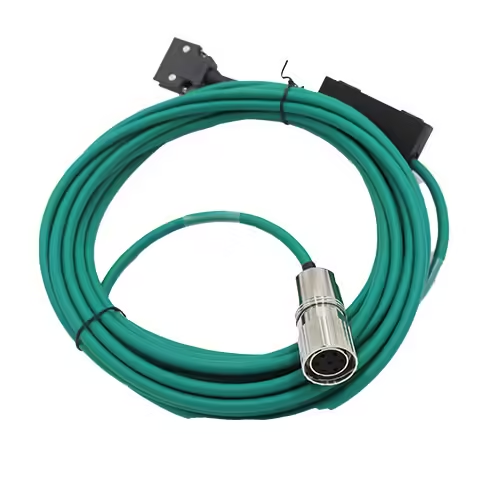
An FFC, also known as a flat ribbon cable, is built with multiple parallel conductors laminated between thin insulating films. This structure allows it to remain lightweight while maintaining stable electrical performance.
Unlike traditional round wiring, this type of cable is designed for tight spaces and repetitive movement. The exposed contact ends make it easy to connect with standard connectors, simplifying assembly in mass production environments.
How Does a Flexible Flat Cable Work?
At its core, this cable transmits signals through flat copper conductors arranged in parallel. Each line carries electrical signals or power between components such as circuit boards, displays, or modules.
Because of its layered insulation and uniform structure:
- Signals remain stable over short distances
- Interference is minimized when properly designed
- Connections stay consistent when paired with the right connectors
Its flat shape also allows it to bend and fold without damaging internal pathways, which is critical in compact electronic products.
Types of Flexible Flat Cable and Their Differences
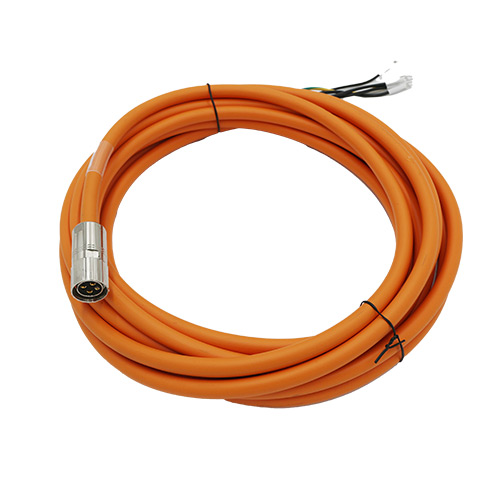
There are several variations available depending on design needs:
- Standard flat cable for general electronics
- Ultra-thin versions for space-constrained devices
- Shielded options for improved signal integrity
- Different pitch sizes such as 0.5mm or 1.0mm
- Multiple pin configurations for varying complexity
Selecting the right type depends on both electrical requirements and mechanical constraints.
Key Advantages of Using Flat Cable Solutions
This type of wiring offers several practical benefits:
- Saves space in compact designs
- Maintains flexibility under repeated movement
- Simplifies installation and assembly
- Reduces overall production costs
- Ensures consistency in high-volume manufacturing
These advantages explain why it is widely used in modern product design.
Common Applications in Modern Electronics
Flat cable assemblies are found in many industries:
- Consumer devices such as laptops, printers, and displays
- Automotive systems including dashboards and sensors
- Industrial automation and control equipment
- Medical devices requiring compact internal connections
Their adaptability makes them suitable for both simple and demanding environments.
Flexible Flat Cable vs FPC: What’s the Difference?
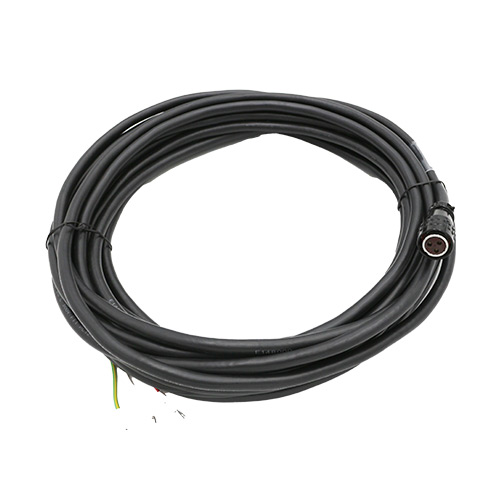
Although often compared, these two solutions serve different purposes.
| Feature | FFC Cable | FPC (Flexible Printed Circuit) |
|---|---|---|
| Structure | Parallel conductors | Printed circuit layout |
| Flexibility | High | Very high |
| Cost | More economical | Higher |
| Complexity | Simple connections | Complex circuits |
For straightforward connections, flat cables are usually the more cost-effective option.
How to Choose the Right Cable for Your Project
Choosing the right solution involves several factors:
Electrical Considerations
- Required voltage and current
- Signal stability requirements
Mechanical Factors
- Bending frequency and radius
- Cable length and thickness
Environmental Conditions
- Temperature range
- Exposure to vibration or moisture
Connector Matching
- Compatibility with existing interfaces and PCB layout
A reliable supplier can help ensure all these aspects are properly addressed.
Custom Cable Options and Design Flexibility
Many applications require tailored solutions rather than standard products.
Customization may include:
- Specific lengths and pin counts
- Unique pitch or spacing
- Enhanced insulation materials
- Shielding for sensitive environments
Working directly with a manufacturer allows better control over design and performance.
Manufacturing Process Overview
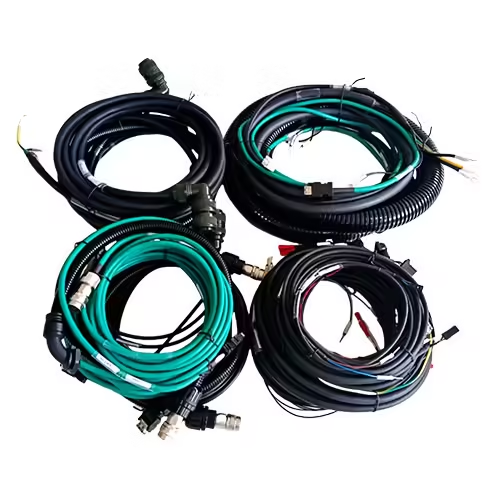
Quality plays a major role in long-term performance. A typical production process includes:
- Selecting high-grade raw materials
- Laminating conductors with insulating layers
- Cutting and shaping to precise dimensions
- Forming contact terminals
- Conducting electrical and durability testing
Strict quality control ensures consistent results across batches.
Common Issues and Practical Solutions
Some issues may arise during use, especially in demanding environments:
- Poor contact due to improper installation
- Damage from excessive bending
- Signal interference in unshielded setups
These problems can usually be avoided by proper design choices and correct handling during installation.
Why Work with a Direct Manufacturer
Sourcing directly from a factory provides several advantages:
- More competitive pricing
- Greater flexibility for customization
- Faster production and delivery
- Technical support throughout the project
This approach is especially valuable for businesses looking to optimize both cost and product performance.
Conclusion
Flat cable technology has become a key enabler in modern electronics, supporting compact designs and reliable connections across a wide range of applications.
By understanding how these cables function and how to select the right configuration, engineers and buyers can improve both product efficiency and manufacturing outcomes. Choosing an experienced manufacturing partner further ensures consistent quality and long-term reliability.
FAQ
1. What is a flexible flat cable used for?
A flexible flat cable is commonly used to connect internal components in compact electronic devices such as laptops, printers, and displays, where space-saving and flexibility are important.
2. What is the difference between FFC and FPC?
FFC cables use parallel flat conductors, while FPCs are printed circuits on flexible substrates. FFC is more cost-effective for simple connections, whereas FPC is better for complex designs.
3. How do I choose the right flat cable for my project?
You should consider factors like pitch, pin count, cable length, bending requirements, and environmental conditions to ensure reliable performance.
4. Can flexible flat cables be customized?
Yes, manufacturers can provide custom options such as specific lengths, pin configurations, pitch sizes, and shielding based on your application needs.
5. Are flat ribbon cables durable for long-term use?
When properly designed and installed, they offer good durability and can withstand repeated bending, making them suitable for many electronic applications.