-
WhatsAPP: +86 18706448138
-
Tengzhou, Shandong, China
Innovative Electrical Solutions for CNC Machines
Innovative Electrical Solutions for CNC Machines

Snout Oil Water Separator: How to Optimize Oil-Water Separation in Industrial Systems
Learn how to select the best snout oil water separator for industrial and commercial use. Tips on efficiency, maintenance, and applications.
Table of Contents
Effective oil-water separation is crucial for industrial operations, environmental compliance, and operational efficiency. A oil-water skimmer provides a reliable solution for removing oil and other hydrocarbons from water streams, protecting machinery, and preventing environmental contamination. In this guide, we explore the key features, applications, and best practices for using oil-water skimmers.
Introduction
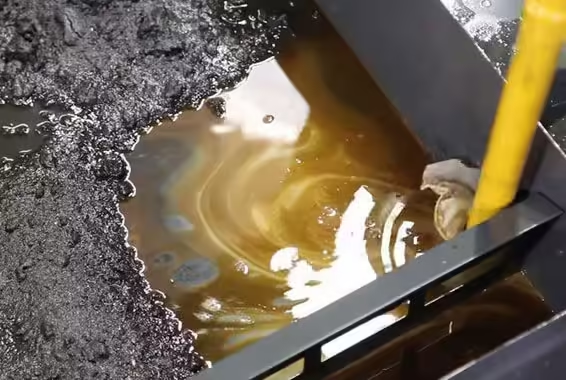
A oil-water skimmer is a mechanical device designed to remove oil from wastewater. It is commonly installed in industrial plants, automotive workshops, and chemical facilities. By separating oil and water efficiently, these systems help reduce pollution and minimize maintenance costs for downstream equipment. According to industry data, proper oil-water separation can extend equipment lifespan by up to 30% (Industrial Filtration Journal, 2023).
How Snout Oil Water Separators Work
These separators rely on the difference in density between oil and water. Oil rises to the surface while water flows underneath. The “snout” component typically collects the oil layer, directing it into a recovery tank while clean water continues through the system.
Key operational principles include:
- Gravity separation
- Coalescing plates for small oil droplets
- Automatic or manual oil collection mechanisms
Benefits of Using a Snout Oil Water Separator
Using a oil-water skimmer provides multiple advantages:
- Efficient oil removal, reducing water contamination
- Protection for pumps, filters, and pipelines
- Compliance with environmental regulations
- Reduction of disposal costs by recovering reusable oil
Applications of Snout Oil Water Separators
Industries and settings that benefit from oil-water skimmers include:
- Automotive repair shops
- Metalworking facilities
- Food processing plants
- Chemical manufacturing units
Types of Snout Oil Water Separators
Different designs exist to suit specific operational needs. Common types include:
- Baffle-type separators – Simple design for low flow rates
- Coalescing plate separators – High efficiency for emulsified oils
- Automatic skimming units – Continuous oil removal for high-volume operations
Comparison of Oil Removal Methods
| Oil Removal Method | Efficiency | Typical Use | Maintenance |
|---|---|---|---|
| Snout Oil Water Separator | High | Industrial wastewater | Medium |
| Belt Oil Skimmer | High | Industrial tanks | Medium |
| Disc Oil Skimmer | Medium | Small ponds | Low |
| Tube Oil Skimmer | Medium | Coolant tanks | Medium |
| Absorbent Pads | Low | Small spills | High |
This table helps you weigh the advantages of a oil-water skimmer against other oil removal methods based on efficiency, maintenance, and suitability.
Maintenance Tips for Snout Oil Water Separators
Regular maintenance ensures consistent performance and longevity:
- Inspect and clean the snout and collection trays
- Monitor water flow and adjust inlet/outlet as needed
- Remove collected oil regularly to prevent overflow
- Replace worn gaskets and seals to avoid leaks
Common Challenges and How to Overcome Them
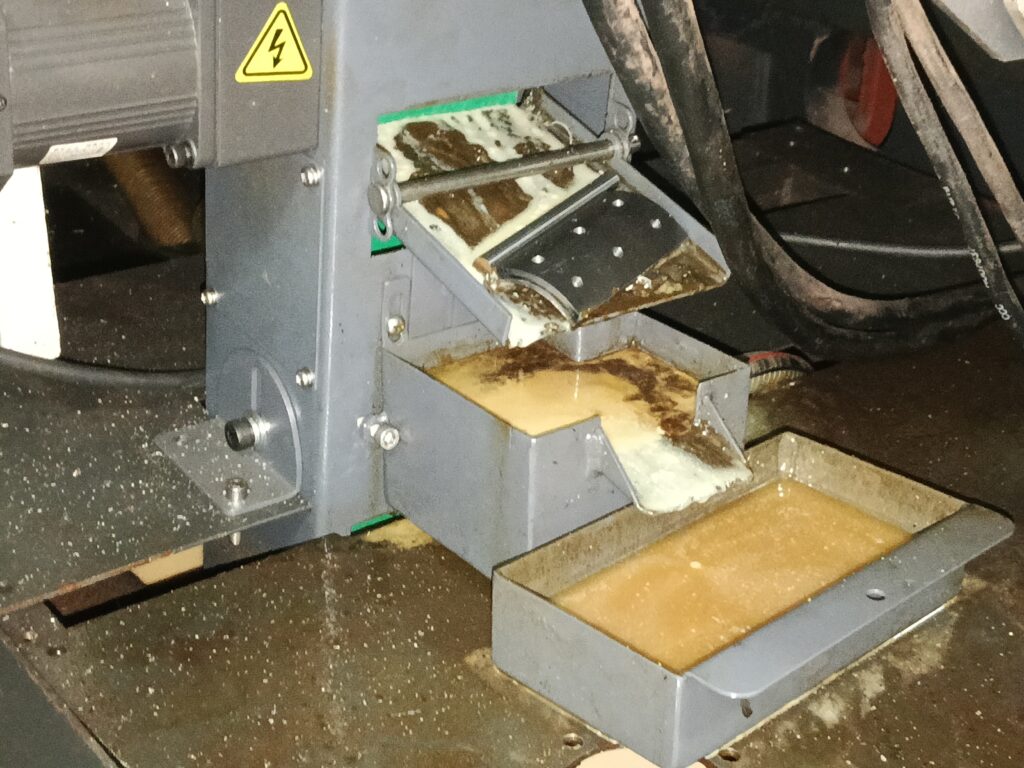
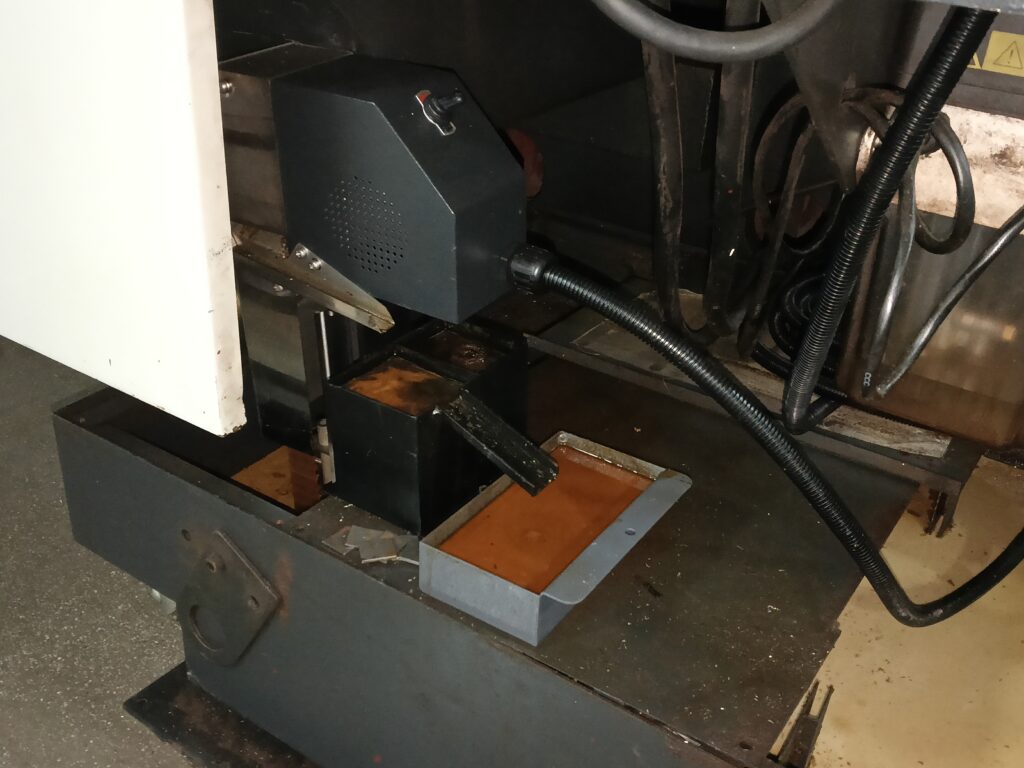
Some challenges include emulsified oils, high flow variations, or sediment buildup. Solutions include pre-filtration, proper sizing of the separator, and integrating coalescing media for fine oil droplets.
Conclusion
A oil-water skimmer is an essential tool for industries requiring efficient oil removal from water streams. By selecting the right type and maintaining it properly, you can ensure cleaner water, reduced operational costs, and regulatory compliance. Investing in a high-quality separator improves equipment longevity and supports environmentally responsible operations.
FAQ
What is a snout oil water separator?
A oil-water skimmer is a device that removes oil from wastewater using density differences, coalescing plates, or skimming mechanisms to ensure cleaner water for industrial or commercial applications.
How does a snout oil water separator work?
Oil floats on the water surface due to its lower density, and the snout collects it into a recovery tank while water flows out. Some models include automatic skimming for continuous removal.
Where are snout oil water separators commonly used?
They are widely used in automotive shops, metalworking facilities, chemical plants, and food processing units where oil contamination in water is common.
How often should I maintain my snout oil water separator?
Maintenance frequency depends on usage, but generally, oil should be removed weekly, snout and trays cleaned monthly, and gaskets inspected quarterly to ensure optimal performance.
Can a snout oil water separator handle emulsified oils?
Yes, but efficiency may decrease. Using coalescing plates or pre-treatment steps can improve separation of emulsified or fine oil droplets.
Need Help Choosing the Right Snout Oil Water Separator?
If you’re unsure which snout oil water separator fits your operation or wastewater system best, our experts are here to help. Contact us today for a personalized consultation, and ensure your facility meets environmental and efficiency standards. Don’t wait until contamination builds up—get in touch now to protect your equipment and water quality!