-
WhatsAPP: +86 18706448138
-
Tengzhou, Shandong, China

Innovative Electrical Solutions for CNC Machines
Innovative Electrical Solutions for CNC Machines

How Floating Oil Separator Systems Work: A Complete Guide for Manufacturers
Learn how floating oil separator systems work, their types, benefits, and applications in factories, chemical plants, and wastewater treatment.
Table of Contents
Introduction
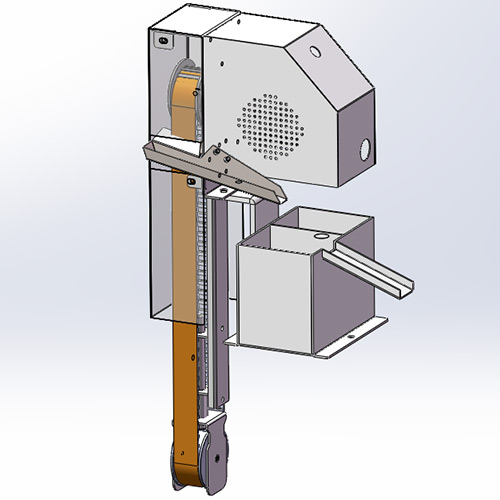
Floating oil separator systems are specialized industrial equipment designed to remove oils, greases, and hydrocarbons from water surfaces in factories, chemical plants, and wastewater treatment facilities. As a manufacturer of high-quality floating oil separators, we understand the importance of efficient oil separation for maintaining clean industrial operations, protecting equipment, and ensuring environmental compliance.
These systems are widely used across industries such as metalworking, petrochemicals, and wastewater treatment. By preventing oil contamination, floating oil separator systems help extend the life of fluids, reduce downtime, and meet regulatory standards.
Working Principle of Floating Oil Separator Systems
Floating oil separator systems work by taking advantage of the natural density difference between oil and water. Oil floats on the water surface, while the system uses mechanical devices—such as belts, discs, or drums—to collect and transfer oil into a collection container.
Different types of floating oil separators offer unique advantages:
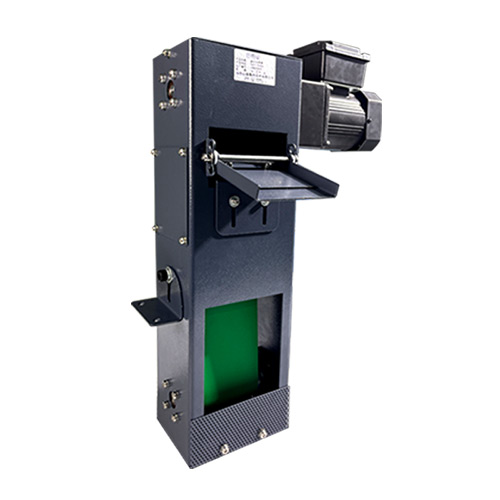
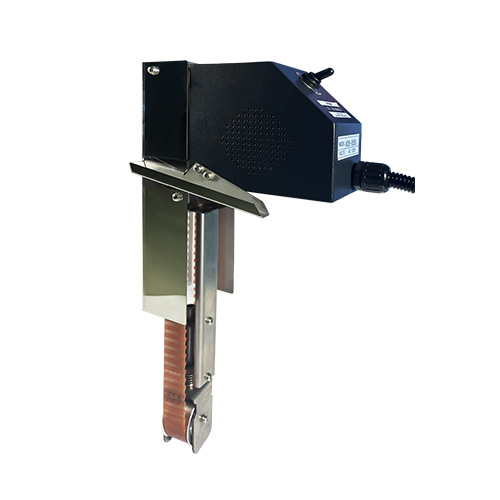
- Belt separators: Ideal for large tanks with continuous oil accumulation.
- Disc separators: Efficient for small tanks or low oil concentration areas.
- Drum or tube separators: Suitable for viscous oils or chemical-heavy environments.
Efficiency depends on oil type, tank size, water flow rate, and separator speed. Proper installation and maintenance are crucial for optimal performance.
Types of Floating Oil Separator Systems
Industrial floating oil separator systems are available in various designs to fit diverse industrial needs:
- Belt vs Disc Separators: Belt separators handle large volumes and heavy-duty applications, while disc separators are better for small tanks or light-duty operations.
- Material Options: Stainless steel, HDPE, and corrosion-resistant alloys ensure durability in harsh environments.
- Custom Solutions: Tailored systems accommodate unique tank shapes, large volumes, or specific chemical conditions.
| Separator Type | Best For | Material Options | Typical Flow Rate |
|---|---|---|---|
| Belt Separator | Large tanks, high oil volume | Stainless steel, PVC | 500–5,000 L/h |
| Disc Separator | Small tanks, low oil | Stainless steel, Aluminum | 100–1,000 L/h |
| Drum/Tube Separator | Viscous oils, chemical plants | Stainless steel, HDPE | 200–2,000 L/h |
This table helps industrial operators select the most suitable floating oil separator system based on tank size, oil type, and operational needs.
Key Benefits of Floating Oil Separator Systems
The advantages of using floating oil separators include:
- Reduced Maintenance Costs: Keeps water and coolant tanks free of floating oil, reducing downtime.
- Environmental Compliance: Removes surface oils to meet wastewater and environmental regulations.
- Improved Operational Efficiency: Maintains clean fluids in cooling systems, machining tanks, and chemical processes.
- Versatility: Suitable for metalworking, chemical plants, petrochemical facilities, and wastewater management.
Applications Across Industries
Floating oil separator systems are widely used in:
- Metalworking and Machining: Removes oils from coolant tanks, extending fluid life.
- Chemical and Petrochemical Plants: Prevents contamination and maintains chemical stability.
- Wastewater Treatment: Separates oils and grease before discharge, reducing environmental impact.
- Cooling Systems: Maintains clean water circulation in cooling tanks and heat exchangers.
Installation and Maintenance
Proper installation and maintenance ensure long-term efficiency:
- Installation: Place the system according to tank size, oil level, and flow. Ensure stability for continuous operation.
- Cleaning: Regularly empty collected oil and clean belts, discs, or drums to prevent clogging.
- Preventive Maintenance: Inspect motors, chains, and rollers monthly.
- Troubleshooting: Address misalignment, wear, or reduced efficiency promptly.
Choosing the Right Floating Oil Separator System
Key considerations when selecting the optimal system include:
- Tank Size and Oil Volume: Large tanks typically require belt separators; small tanks may use disc separators.
- Material Selection: Stainless steel or corrosion-resistant alloys extend service life in harsh conditions.
- Efficiency Ratings: Review manufacturer specifications for flow rate, oil removal rate, and reliability.
- Manufacturer Support: Working with a trusted manufacturer ensures technical assistance and custom solutions.
Market Trends and Innovations
Recent innovations in floating oil separator systems include:
- Automated oil detection sensors for improved efficiency.
- Energy-saving motors to reduce operational costs.
- Modular, easy-to-install designs suitable for various tank configurations.
OEM and custom solutions allow manufacturers to meet unique industrial requirements, improving efficiency and reliability over time.
Case Studies and Success Stories
Real-world examples demonstrate the value of floating oil separator systems:
- A metalworking facility reduced coolant contamination by 80% using belt separators.
- A chemical plant maintained compliance with wastewater standards using stainless steel systems.
- Wastewater treatment facilities reported significant operational cost savings after implementing floating oil separators.
These cases illustrate both environmental and economic benefits.
Conclusion
Floating oil separator systems are vital for modern industrial operations. They improve efficiency, reduce maintenance costs, and help facilities meet environmental regulations.
As a manufacturer of high-quality floating oil separator systems, we provide reliable and custom solutions for various industries. Contact us today to learn how our systems can optimize your operations and ensure long-term performance.
FAQ
Q1: What are floating oil separator systems used for?
A1: They remove floating oils, greases, and hydrocarbons from water surfaces in factories, chemical plants, and wastewater treatment facilities.
Q2: How do floating oil separator systems work?
A2: These systems separate oil from water using belts, discs, or drums and transfer the collected oil into a storage container efficiently.
Q3: What types of floating oil separator systems are available?
A3: Common types include belt separators, disc separators, and drum/tube separators, suitable for different tank sizes and oil types.
Q4: How often should floating oil separator systems be maintained?
A4: Regular cleaning and inspection should be done monthly, including checking belts, discs, motors, and oil collection containers.
Q5: Can floating oil separator systems be customized?
A5: Yes, manufacturers can provide custom systems tailored to specific tank sizes, oil types, chemical environments, and industrial applications.