-
WhatsAPP: +86 18706448138
-
Tengzhou, Shandong, China

Innovative Electrical Solutions for CNC Machines
Innovative Electrical Solutions for CNC Machines

Programmable Pulse Generator Systems: A Complete Guide for Manufacturers
Learn how programmable pulse generator systems work, their types, applications, and benefits for industrial automation, testing, and R&D.
Table of Contents
Introduction
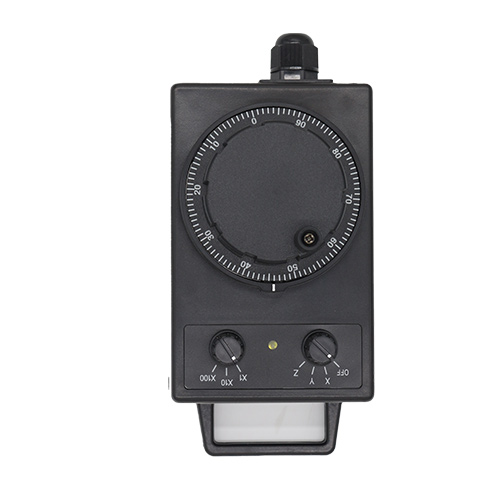
Programmable pulse generator systems are advanced industrial devices that produce precise electrical pulses with adjustable parameters for testing, automation, and control applications. As a manufacturer of high-quality programmable pulse generator systems, we design solutions to meet diverse industrial needs, from electronics testing to R&D and industrial automation.
These systems are widely used in laboratories, manufacturing facilities, energy systems, and research centers. By generating programmable pulses, they ensure accurate testing, seamless automation, and improved operational efficiency.
How Programmable Pulse Generator Systems Work
Programmable pulse generator systems work by generating electrical pulses with configurable amplitude, frequency, and pulse width. Users can program sequences of pulses to suit specific applications:
- Single Pulse Mode: Generates one pulse at a time for testing or triggering.
- Continuous Pulse Mode: Produces a steady train of pulses for repetitive tasks.
- Burst Mode: Delivers a series of pulses with set intervals and duration.
Integration with PLCs, oscilloscopes, and automated control systems allows these devices to operate efficiently in industrial environments.
Types of Programmable Pulse Generator Systems
Different designs are available depending on industrial requirements:
- Digital Programmable Systems: Offer high precision, repeatability, and flexibility for testing electronics or industrial equipment.
- Analog Programmable Systems: Provide simple, reliable pulse outputs for industrial control.
- Custom OEM Systems: Tailored for unique industrial applications, including high-voltage or high-current requirements.
| System Type | Best For | Output Range | Applications |
|---|---|---|---|
| Digital Programmable | Electronics testing | 0–10 V | Calibration, signal testing |
| Analog Programmable | Industrial automation | 0–100 V | Process control, triggering |
| Custom OEM Systems | Specialized industrial needs | Configurable | High-voltage/current testing |
This table helps engineers select the right programmable pulse generator system based on output, application, and precision requirements.
Benefits of Programmable Pulse Generator Systems
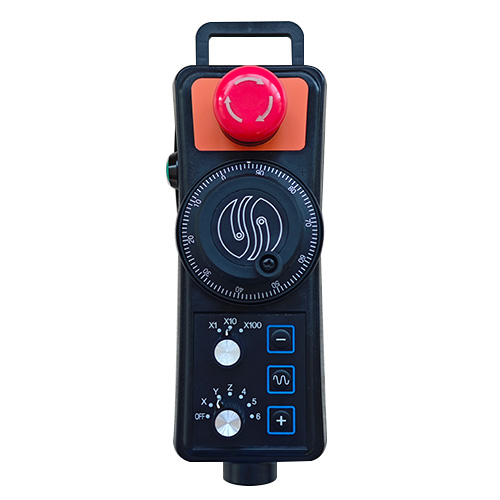
The advantages of using programmable pulse generator systems include:
- Precision: Ensures accurate pulse signals for testing, automation, and industrial processes.
- Flexibility: Supports programmable sequences, variable pulse width, and adjustable amplitude.
- Integration: Easily connects to PLCs, monitoring instruments, and automated systems.
- Customization: OEM systems meet specialized industrial requirements for voltage, current, and pulse patterns.
Applications Across Industries
Programmable pulse generator systems are widely used in:
- Electronics Testing: Simulates signals for circuit validation and component testing.
- Industrial Automation: Controls machinery and triggers processes accurately.
- Energy Systems: Monitors transformers, relays, and high-voltage equipment.
- R&D Labs: Provides programmable pulse signals for experiments and prototype testing.
Installation and Maintenance
Proper setup and maintenance are essential for reliable operation:
- Installation: Follow manufacturer guidelines and ensure correct grounding and connections.
- Calibration: Regularly verify amplitude, frequency, and pulse width to maintain accuracy.
- Maintenance: Inspect connectors, cables, and modules monthly to prevent failures.
- Troubleshooting: Address inconsistencies, signal distortion, or equipment wear immediately.
Choosing the Right Programmable Pulse Generator System
Consider the following when selecting a system:
- Output Requirements: Voltage, current, frequency, and pulse width.
- Application Type: Electronics testing, automation, or research.
- Integration Needs: Compatibility with PLCs, oscilloscopes, or automated setups.
- Manufacturer Support: Access to technical assistance and custom system design.
Market Trends and Innovations
Recent trends include:
- Compact, energy-efficient programmable systems for industrial automation.
- Advanced digital control for customizable pulse sequences.
- IoT-enabled systems for remote monitoring and pulse generation control.
Case Studies and Success Stories
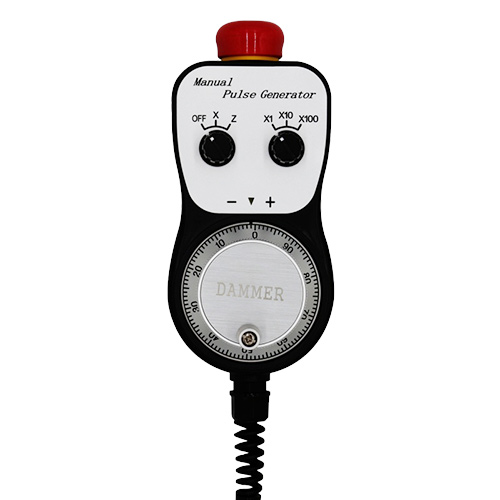
- Electronics labs improved testing accuracy by 80% using digital programmable pulse generators.
- Industrial automation lines achieved higher efficiency with analog programmable systems.
- R&D teams safely tested high-voltage prototypes using custom OEM programmable pulse generators.
Conclusion
Programmable pulse generator systems are vital for modern industrial operations, providing precision, flexibility, and integration capabilities.
As a manufacturer of high-quality programmable pulse generator systems, we offer reliable and customizable solutions to meet industrial, R&D, and automation needs. Contact us today to learn how our systems can enhance your testing and automation processes.
FAQ
Q1: What are programmable pulse generator systems used for?
A1: They generate accurate and customizable electrical pulses for industrial automation, electronics testing, and R&D applications.
Q2: How do programmable pulse generator systems work?
A2: They produce pulses with adjustable amplitude, frequency, and width, and can run in single, continuous, or burst modes.
Q3: What types of programmable pulse generator systems are available?
A3: Digital systems for precision testing, analog systems for industrial control, and custom OEM solutions for specialized applications.
Q4: How often should programmable pulse generator systems be maintained?
A4: Routine calibration and inspection, typically monthly, ensures reliable operation and accurate pulse output.
Q5: Can programmable pulse generator systems be customized?
A5: Yes, manufacturers can tailor systems for specific voltage, current, frequency, and pulse sequences to meet industrial needs.