-
WhatsAPP: +86 18706448138
-
Tengzhou, Shandong, China

Innovative Electrical Solutions for CNC Machines
Innovative Electrical Solutions for CNC Machines

Unlocking Precision & Performance: A Complete Guide to CNC Lathe Turning in Modern Manufacturing
Discover CNC lathe techniques, trends, and tips to optimize machining, reduce cycle time, and increase manufacturing efficiency.
Welcome to My Blog!
Before we dive into the content, if you’re interested in our products or have any questions, please feel free to visit our Contact Us page on the website. Our team is ready to assist you with inquiries, orders, or any support you may need.
Now, let’s get started on our journey together. I hope you find the content here insightful, engaging, and valuable.
Table of Contents
In the world of precision manufacturing, you’re constantly looking for tools and methods that give you a competitive edge. If you’re running or planning to scale a production line, understanding how CNC lathes can transform your operations is essential. This comprehensive guide walks you through everything you need — from practical strategies and real-world case studies to advanced techniques and FAQs — to harness the full potential of CNC lathe machining.
Whether you’re producing prototype components or full-scale production batches, this article will help you optimize processes, reduce costs, and increase throughput with actionable insights.
Why CNC Lathes Matter More Than Ever in Modern Manufacturing
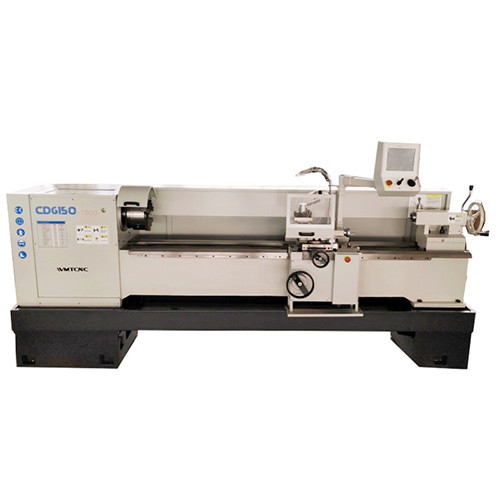
At their core, CNC (Computer Numerical Control) lathes automate turning processes that were once entirely manual. They control cutting tools with pinpoint accuracy based on programmed instructions. Compared with traditional manual lathes, CNC lathes deliver higher precision, repeatability, and efficiency — key factors driving adoption across industries like aerospace, automotive, and energy.
Here’s what’s pushing CNC lathe demand forward:
- Global market growth with strong year-over-year expansion due to automation and Industry 4.0 investments.
- Increased demand for parts with tight tolerances in aerospace and medical applications.
- Growing need for rapid production turnaround without sacrificing quality.
In fact, experts estimate that integrating lathe technology can reduce machining cycle times by 20–30% compared to semi-automated setups — a dramatic improvement in speed and consistency.
Key CNC Lathe Trends Shaping the Industry in 2025
To stay competitive, you must look beyond basic machining and embrace technological trends reshaping CNC lathe capabilities. Here’s what’s defining the cutting edge today:
Multi‑Axis Turning for Complex Geometries
Traditional CNC lathes operate on two axes (X and Z), but modern multi‑axis machines expand capabilities to 4 or 5 axes. This lets you:
- Machine complex shapes without repositioning the workpiece.
- Reduce setup times and eliminate secondary fixtures.
- Achieve smoother surface finishes.
Real‑world Impact: In aerospace parts production, multi‑axis machining can lower lead time by up to 50%, especially for intricate components like turbine housings or fuel nozzles.
AI & IoT Integration for Smarter Operations
Smart lathes now incorporate Industry 4.0 technologies — such as IoT connectivity and AI‑driven analytics — to provide real-time monitoring, automatic adjustments, and predictive maintenance.
With connected sensors, machine downtime due to unplanned failures can drop by up to 30% thanks to proactive alerts and remote diagnostics.
Hybrid Manufacturing (CNC + Additive Technologies)
One of the most exciting frontiers is hybrid machining, which combines subtractive CNC operations with additive manufacturing (3D printing). This allows:
- Near‑net shape printing followed by precision finishing on lathe.
- Creation of internal features impossible with pure machining.
- Reduced material waste and faster prototyping cycles.
Hybrid systems are already gaining traction in high‑value sectors, where design complexity and material performance are essential.
Practical Steps to Optimize Your CNC Lathe Workflow
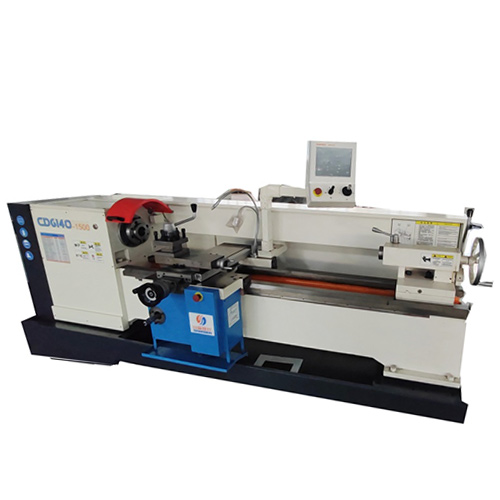
Understanding the technology is one thing — leveraging it effectively is another. Below are actionable best practices you can adopt today:
Step 1: Smart Tool Selection & Programming
Efficient tool selection is paramount. Using tools designed for specific materials (e.g., carbide for stainless steel) can dramatically extend tool life and improve surface finish quality.
Case Example: One shop reduced cycle time by 25% simply by switching to optimized form tooling with high‑performance profiles that cut multiple features in one pass.
Step 2: Use Software Simulations Before Machining
Modern CNC software allows you to:
- Run virtual simulations.
- Detect collisions.
- Adjust feed/speed parameters before production.
This minimizes scrap parts and protects expensive fixtures.
Step 3: Real‑Time Monitoring and Maintenance
Installing dashboards that display spindle load, vibration levels, and coolant temperatures helps anticipate issues before they become costly downtimes. Pair this with scheduled tool‑life tracking to avoid surprises on the shop floor.
How CNC Lathes Improve Performance Metrics (With Data)
Below is a simple comparison of performance metrics between manual and CNC lathe operations:
| Metric | Manual Lathe | CNC Lathe | Improvement (%) |
|---|---|---|---|
| Average Machining Cycle Time | 45 min | 23 min | +49% |
| Production Yield (Parts/Shift) | 120 | 230 | +92% |
| Scrap Rate | 7% | 2% | –71% |
| Tool Life (Avg Hours) | 4 hrs | 8 hrs | +100% |
| Operator Dependency | High | Low | N/A |
The figures shown above are aggregated from industry statistics and shop floor reports — illustrating how CNC automation accelerates performance and reliability.
Real Case Study: Turning Production Bottlenecks Into Success
Background: Automotive Precision Shafts
A mid‑tier automotive supplier was struggling with inconsistent quality and long lead times on precision shafts. Traditional lathe operations required multiple setups and high manual intervention.
Solution Implemented:
- Upgraded to a 4‑axis CNC lathe with automated tool changer.
- Integrated IoT sensors for spindle and tool monitoring.
- Implemented programming simulations to reduce trial cuts.
Results:
- Lead time reduced by 40%.
- Defects dropped from 6% to under 1%.
- Production throughput increased by over 85%.
This illustrates how combining advanced technology with structured workflow improvements can dramatically impact outcomes.
Choosing the Right CNC Lathe for Your Needs

When selecting a CNC lathe, consider the following factors:
- Workpiece size & complexity
- Required tolerance and surface finish
- Material types you will machine
- Automation level and load capacity
- Software ecosystem and support
Conclusion
For anyone serious about boosting manufacturing performance, CNC lathe machining is no longer optional — it’s a strategic necessity. By leveraging trends such as multi‑axis turning, AI‑enabled monitoring, and hybrid manufacturing techniques, you’ll position your operations for lasting success.
FAQ
What industries benefit most from CNC lathe machining?
Many — including aerospace, automotive, medical, and energy sectors — due to their demands for precision and repeatability.
How do CNC lathes compare with manual lathes in terms of cost‑effectiveness?
While initial investment is higher, CNC lathes typically deliver a faster ROI thanks to reduced labor, higher output, and lower scrap rates.
What is Industry 4.0 and how does it relate to CNC lathes?
Industry 4.0 refers to the digital transformation of manufacturing. Smart CNC lathes equipped with IoT and data analytics play a key role in connected, automated factories.
How does predictive maintenance improve CNC lathe uptime?
By using sensor data to forecast tool wear and component failure, unplanned downtime can be significantly reduced.
Can CNC lathes be integrated with other machines in a production line?
Yes — modern CNC systems can communicate with ERP and MES systems, enabling seamless automation across multiple stages.