-
WhatsAPP: +86 18706448138
-
Tengzhou, Shandong, China

Innovative Electrical Solutions for CNC Machines
Innovative Electrical Solutions for CNC Machines

How a Commercial Oil Mist Collector Improves Workshop Safety and Efficiency
Learn how a commercial oil mist collector improves workshop air quality, protects machines, and boosts efficiency in CNC and metalworking shops.
Table of Contents
Introduction
In modern manufacturing environments, maintaining clean air is more than a compliance requirement—it is essential for worker health and overall productivity. Metalworking, CNC machining, and other industrial processes often generate significant amounts of oil mist, which can accumulate on equipment, floors, and surfaces, creating safety hazards and operational inefficiencies.
A commercial oil mist collector is designed to capture these airborne contaminants, ensuring a cleaner, safer, and more productive workshop. As a manufacturer of high-quality oil mist collectors, we focus on designing systems that improve both air quality and operational efficiency for workshops of all sizes.
What is a Commercial Oil Mist Collector?
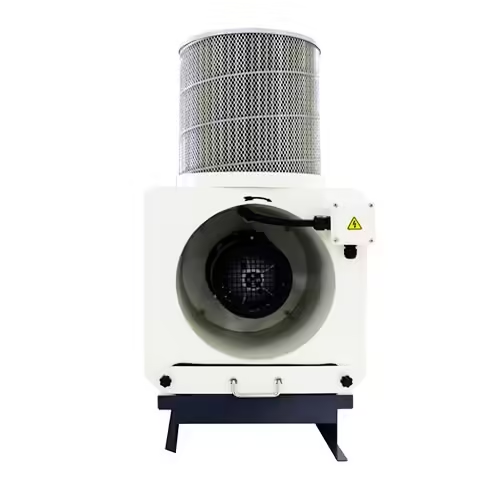
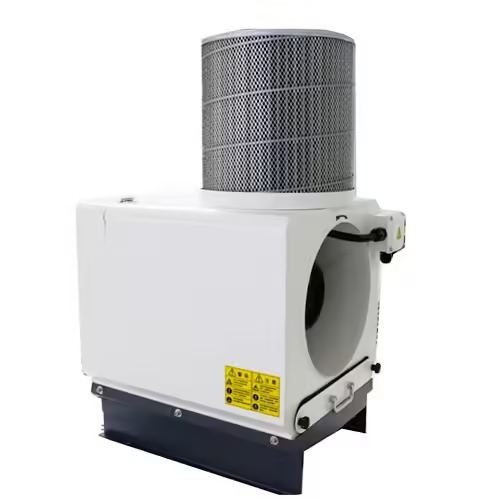
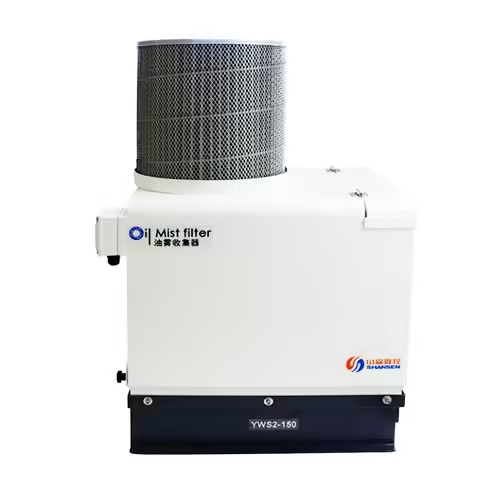
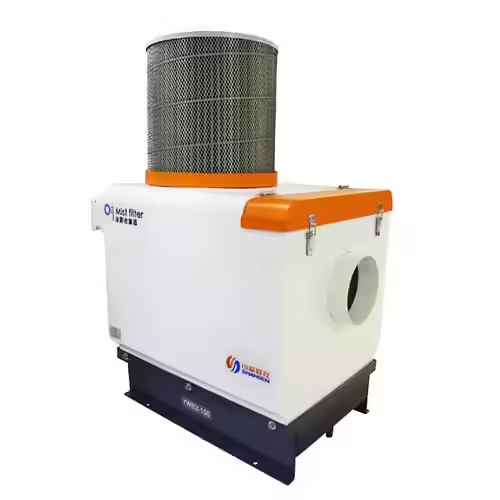
A commercial oil mist collector is a specialized device that removes oil mist, smoke, and airborne particulates from industrial workspaces. Its core components include a high-efficiency filter, a blower or fan, and a collection chamber where the mist condenses and is safely captured.
Difference Between Commercial and Industrial Oil Mist Collectors
While commercial units are optimized for medium-sized workshops and CNC machine setups, industrial oil mist collectors are designed for larger factories with higher airflow requirements. Commercial units offer a balance of efficiency, size, and cost-effectiveness, making them ideal for most small to medium-scale operations.
Key Benefits of Using a Commercial Oil Mist Collector
Improved Air Quality and Worker Safety
Oil mist particles can irritate the eyes, skin, and respiratory system. A properly installed collector minimizes exposure, keeping the workplace safer for employees.
Equipment Longevity
Oil mist can settle on machines, causing corrosion and mechanical issues. Collectors reduce this buildup, extending the life of your CNC machines and other equipment.
Reduced Maintenance Costs
With less airborne oil, workshops spend less time cleaning machines and floors, saving labor costs and reducing downtime.
Enhanced Efficiency
Cleaner air and equipment directly contribute to smoother operations and improved precision in machining processes.
Energy Efficiency and Cost Savings
Modern commercial oil mist collectors are designed with high-efficiency filters and energy-saving blowers, helping reduce operating costs while maintaining superior performance.
How to Choose the Right Commercial Oil Mist Collector
Choosing the right collector involves evaluating workshop size, number of machines, and airflow requirements. Key considerations include:
Filter Types and Their Applications
- HEPA filters for high-efficiency oil mist removal
- Oil-specific coalescing filters for metalworking environments
Noise Levels and Installation Considerations
Proper placement reduces noise exposure and ensures optimal airflow. Avoid multiple bends in ducting, as they can reduce efficiency.
| Feature | Recommendation | Benefit |
|---|---|---|
| Airflow (CFM) | 500–1500 CFM for small to medium shops | Ensures effective mist capture |
| Filter Type | Coalescing + HEPA | Removes up to 99% of oil particles |
| Maintenance Interval | 3–6 months | Maintains consistent performance |
| Installation | Near CNC or machining center | Reduces duct length and pressure loss |
| Noise Level | <70 dB | Minimizes workplace disruption |
Installation and Setup Guidelines
Installing a commercial oil mist collector correctly is critical for performance. Place the unit near the source of oil mist, typically above or adjacent to CNC machines. Connect ducting carefully, minimizing bends and obstructions.
Common Installation Mistakes to Avoid
- Excessive duct bends that reduce airflow
- Ignoring manufacturer’s placement recommendations
- Delaying filter replacements, which reduces efficiency
Maintenance Tips for Long-Lasting Performance
Regular maintenance ensures your collector operates at peak efficiency. Key practices include:
- Inspect and clean filters according to usage levels
- Check blowers and duct connections for leaks or blockages
- Monitor airflow to detect potential performance issues early
Troubleshooting Common Issues
- Reduced airflow: often due to clogged filters or blocked ducts
- Excessive noise: may indicate fan misalignment or motor wear
- Overflow in collection chamber: inspect and empty regularly
Applications Across Different Industries
Metalworking Shops
Commercial oil mist collectors are essential for CNC machining, grinding, and milling operations.
CNC Machine Workshops
Protect sensitive electronics and tooling from contamination while maintaining precision.
Other Manufacturing Environments
Any workshop using lubricants, coolants, or oil-based cutting fluids can benefit from improved air quality and reduced contamination.
Case Example: CNC Workshop Efficiency Improvement
A medium-sized CNC workshop reported a 30% reduction in machine cleaning time and improved worker comfort after installing multiple commercial oil mist collectors, demonstrating the value of investing in high-quality equipment.
Commercial Oil Mist Collector Technology Trends
High-Efficiency Filters
Modern systems integrate HEPA and coalescing filters to capture even sub-micron oil particles.
Smart Monitoring Systems
Some units now feature airflow sensors and filter change alerts to maintain optimal performance.
Sustainable and Energy-Saving Designs
Eco-friendly materials and energy-efficient blowers reduce environmental impact and operational costs.
Future Outlook for Workshop Air Quality Solutions
The adoption of intelligent, energy-efficient oil mist collectors is expected to rise as factories prioritize worker safety, precision, and sustainability.
Conclusion
A commercial oil mist collector is an essential investment for any workshop that uses CNC machines, metalworking tools, or oil-based fluids. It enhances workplace safety, extends equipment life, reduces maintenance costs, and improves operational efficiency.
As a manufacturer, we focus on delivering high-quality, efficient, and reliable oil mist collectors tailored for modern workshops. Choosing the right collector and maintaining it properly ensures a healthier environment and a more productive, cost-effective operation.
FAQ
Q1: What is a commercial oil mist collector used for?
A: A commercial oil mist collector removes oil mist and airborne particles from workshops, protecting workers’ health and keeping machines clean.
Q2: How do I choose the right commercial oil mist collector for my CNC machines?
A: Consider airflow (CFM), filter type, workshop size, and the number of machines to ensure efficient oil mist removal.
Q3: How often should I maintain a commercial oil mist collector?
A: Filters should be checked every 3–6 months, and the unit should be cleaned regularly to maintain peak performance.
Q4: What are the benefits of installing a commercial oil mist collector?
A: Benefits include improved air quality, reduced equipment wear, lower maintenance costs, and enhanced workshop efficiency.
Q5: Can a commercial oil mist collector handle multiple machines at once?
A: Yes, with proper airflow capacity and ducting, a commercial oil mist collector can efficiently manage oil mist from multiple CNC or metalworking machines.