-
WhatsAPP: +86 18706448138
-
Tengzhou, Shandong, China

Innovative Electrical Solutions for CNC Machines
Innovative Electrical Solutions for CNC Machines

Door Safety Switches: A Manufacturer’s Complete Guide to Industrial Safety
Learn how door safety switches work, how to choose the right type, and best installation practices from a trusted manufacturer.
Table of Contents
In modern industrial environments, ensuring worker safety and preventing equipment damage are non-negotiable priorities. Door safety switches play a critical role in achieving both goals. As a manufacturer of door safety switches, we understand the importance of reliable safety components in automation systems, machine guarding, and industrial doors. This guide is designed to help you understand what door safety switches are, how they work, how to choose the right type, and how to maintain them for long-term performance.
What Are Door Safety Switches and Why They Matter in Industry

Door safety switches, also known as safety interlock switches, are devices designed to prevent machinery or hazardous equipment from operating when a protective door or access panel is open. They are commonly used in manufacturing plants, automated warehouses, packaging lines, and industrial facilities where access doors or safety gates must be controlled to protect personnel.
Without a proper safety interlock system, operators may be exposed to moving parts, high temperatures, or electrical hazards. Door safety switches are the first line of defense in ensuring that machines only operate when guards are properly closed. This is especially important in environments such as CNC machining, robotic cells, and automated production lines where unintentional access can lead to serious injury.
Types of Door Safety Switches (and How to Choose the Right One)
Door safety switches are available in various designs to meet different industrial needs. Choosing the right type depends on the application, door type, environmental conditions, and required safety level.
Mechanical Door Safety Switches
Mechanical door safety switches typically use a plunger or lever actuator. When the door closes, the actuator is pressed, and the switch changes state. These switches are known for their robustness and reliability in harsh industrial environments.
Magnetic Door Safety Switches
Magnetic safety switches rely on a magnet and reed switch mechanism. They are ideal for applications requiring a non-contact safety solution, such as clean rooms or environments where dust and debris could interfere with mechanical actuators.
Key-Operated Safety Switches
Key-operated door safety switches are used when a specific key is required to access the machine. This design is common in high-security applications or where only authorized personnel should be allowed to open the guard.
Electromechanical vs Electronic Safety Switches
Electromechanical switches are widely used due to their simplicity and durability. Electronic safety switches offer additional features such as diagnostic feedback, higher switching speeds, and integration with modern safety controllers.
How Door Safety Switches Work: Working Principle Explained
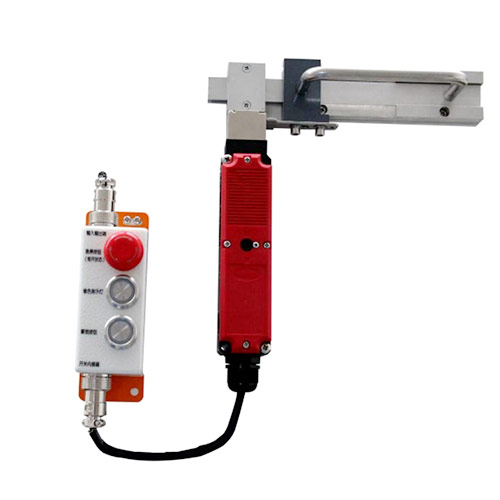
The working principle of a door safety switch is straightforward: it monitors the position of a door or guard and sends a signal to the control system. When the door is open, the switch opens the safety circuit, preventing the machine from starting or continuing operation. When the door is closed, the switch completes the circuit, allowing normal operation.
A key aspect of door safety switches is their use in safety circuits that are often designed with redundancy. This ensures that a single failure does not lead to unsafe operation. Many systems use dual-channel inputs or safety relays to meet safety standards such as ISO 13849 or IEC 62061.
Key Features to Look for in High-Quality Door Safety Switches
Selecting a high-quality door safety switch involves more than just choosing the right type. Several performance and safety features are essential for reliable operation:
- IP Protection Rating: Dust and water resistance are crucial for industrial environments. A higher IP rating ensures the switch can withstand harsh conditions.
- Durable Housing and Actuator Design: Industrial doors and guards often operate frequently. The switch must withstand repeated use without failure.
- High Switching Cycles and Long Service Life: For high-usage applications, the switch must maintain performance over millions of cycles.
- Safety Certifications: Certifications such as CE, UL, and ISO demonstrate that the product meets recognized safety standards.
- Customization Options: As a manufacturer, we offer tailored solutions for OEMs, including customized mounting, wiring, and actuator designs.
Door Safety Switch Installation: Best Practices for Reliable Performance
Proper installation is key to ensuring that door safety switches function as intended. Incorrect mounting or misalignment can cause false triggering or failure to detect door position.
Correct Actuator Alignment and Mounting
The actuator must align precisely with the switch to ensure consistent operation. Misalignment can lead to incomplete switching or damage to the actuator.
Wiring and Connection Recommendations
Follow the wiring diagram and use appropriate cable types for the environment. In high-noise environments, shielded cables can help prevent interference.
Common Installation Mistakes to Avoid
- Incorrect actuator placement
- Loose mounting screws
- Poor cable routing leading to stress on wires
- Not verifying switch operation after installation
Safety Testing After Installation
After installation, perform functional testing to confirm the switch reliably detects door position and that the safety circuit responds correctly.
Door Safety Switch Maintenance and Troubleshooting
Regular maintenance ensures door safety switches continue to operate correctly and reduces the risk of unexpected downtime.
Routine Inspection Checklist
- Inspect actuator and switch housing for wear or damage
- Check mounting screws and alignment
- Verify wiring connections and cable integrity
- Test switch operation by opening and closing the door
How to Test Door Safety Switches
Use a multimeter or safety test equipment to confirm that the switch changes state correctly and that the safety circuit responds as expected.
Common Faults and Quick Fixes
- Switch not activating: Check alignment and actuator position
- False triggering: Inspect for dirt, dust, or mechanical interference
- Wiring issues: Check for loose or damaged wires
- Contact failure: Replace the switch if contacts are worn
When to Replace the Switch
Replace the switch if the actuator is damaged, contacts fail, or the switch no longer meets safety requirements. Regular replacement can prevent unplanned downtime and maintain compliance.
Door Safety Switch vs Safety Interlock: What’s the Difference?
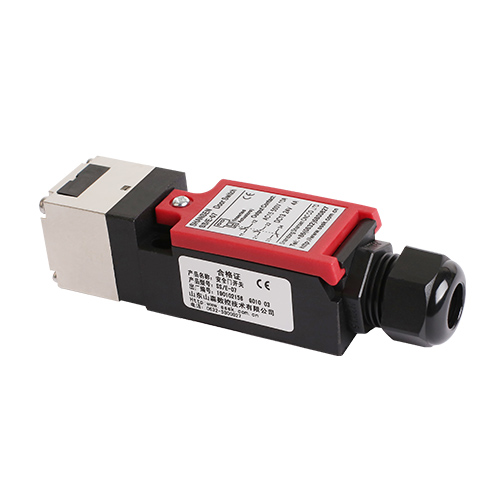
While these terms are often used interchangeably, there are differences in application and design.
A door safety switch generally refers to a device that detects the position of a door or guard and interrupts the machine’s operation when open. A safety interlock can refer to a broader safety mechanism that may include multiple switches, locks, or safety circuits. Interlocks often involve additional security features such as key control or monitored circuits.
Understanding the difference helps in choosing the right solution for your specific safety requirements, especially in high-risk applications such as robotic cells, packaging machines, and industrial doors.
How to Select the Best Door Safety Switch for Your Application
Choosing the best door safety switch requires a clear understanding of your application’s needs.
Consider Door Type
- Sliding doors: Require precise alignment and often benefit from magnetic switches
- Hinged doors: Mechanical plunger or lever switches are commonly used
- Automatic doors: Require high reliability and frequent cycling
Consider Environment
- Dusty or wet environments: Choose higher IP-rated switches
- Clean rooms: Magnetic or non-contact switches reduce contamination risk
- High vibration: Use robust housing and secure mounting
Consider Load and Voltage Requirements
Ensure the switch contacts and wiring match the control system voltage and current. For safety circuits, redundant wiring and safety relays are recommended.
Consider Compatibility with Safety Controllers and PLCs
Modern safety systems often integrate door safety switches with safety controllers, PLCs, or safety relays. Ensure the switch supports the required signal type and wiring configuration.
Industry Standards and Compliance for Door Safety Switches
Safety standards are essential to ensure door safety switches meet required performance levels. As a manufacturer, compliance is a priority.
- ISO 13849: Specifies requirements for safety-related parts of control systems
- IEC 62061: Covers functional safety of electrical/electronic/programmable systems
- CE marking: Indicates compliance with EU safety requirements
- UL certification: Recognized safety standard for North America
Meeting these standards helps manufacturers provide reliable products and supports customers in meeting their own compliance obligations.
Why OEMs Prefer Manufacturer-Direct Door Safety Switch Suppliers

Many OEMs and system integrators prefer sourcing door safety switches directly from manufacturers rather than through intermediaries. There are several reasons for this preference:
- Cost efficiency: Factory-direct pricing reduces procurement costs
- Customization: OEMs can request tailored solutions such as specific actuators, mounting styles, or wiring
- Stable supply: Direct manufacturing ensures consistent product availability
- Quality control: Direct oversight of production and testing improves reliability
- After-sales support: Manufacturers can provide technical guidance and warranty services
This direct relationship supports long-term partnerships and ensures that safety components meet specific application requirements.
Table: Comparison of Door Safety Switch Types
| Switch Type | Best For | Key Advantage | Common Application |
|---|---|---|---|
| Mechanical (Plunger/Lever) | Harsh environments | High durability | Machine guarding, industrial doors |
| Magnetic | Cleanrooms / dust-prone areas | Non-contact operation | Packaging, automation lines |
| Key-operated | High-security access | Controlled access | High-risk machinery |
| Electronic | Advanced safety systems | Diagnostic feedback | Automated production lines |
Conclusion
Door safety switches are essential components in industrial safety systems. They protect workers, prevent equipment damage, and ensure compliance with safety standards. As a manufacturer, our focus is on delivering high-quality, reliable door safety switches with strong performance, certification, and customization options.
If you are looking for a trusted supplier for door safety switches, consider working directly with a manufacturer to benefit from consistent quality, competitive pricing, and tailored solutions. For more information or to discuss your specific application, feel free to contact us.
FAQ
Q1: What is a door safety switch used for?
A: A door safety switch is used to prevent machines from operating when a safety door or guard is open, ensuring worker protection and reducing accident risks.
Q2: How do door safety switches work?
A: They detect whether a door is closed or open and send a signal to the control system. If the door is open, the safety circuit is interrupted to stop the machine.
Q3: What types of door safety switches are available?
A: Common types include mechanical plunger/lever switches, magnetic safety switches, and key-operated safety switches, each suited for different environments and door types.
Q4: How do I choose the right door safety switch for my application?
A: Choose based on door type, environment (dust/water exposure), required safety level, and compatibility with safety controllers or PLC systems.
Q5: How often should door safety switches be inspected?
A: Regular inspection is recommended, typically every 3–6 months depending on usage and environment, to ensure proper alignment, wiring integrity, and reliable operation.