-
WhatsAPP: +86 18706448138
-
Tengzhou, Shandong, China

Innovative Electrical Solutions for CNC Machines
Innovative Electrical Solutions for CNC Machines

Dust Collector for Shop: Choosing the Right System for Your Workspace
Table of Contents
Maintaining clean air in a workshop is essential for both safety and productivity. A dust collector for shop use can prevent respiratory issues, reduce fire hazards, and keep your equipment in top condition. With many options available, selecting the right dust collector requires understanding airflow, filtration types, and your workspace needs.
Introduction
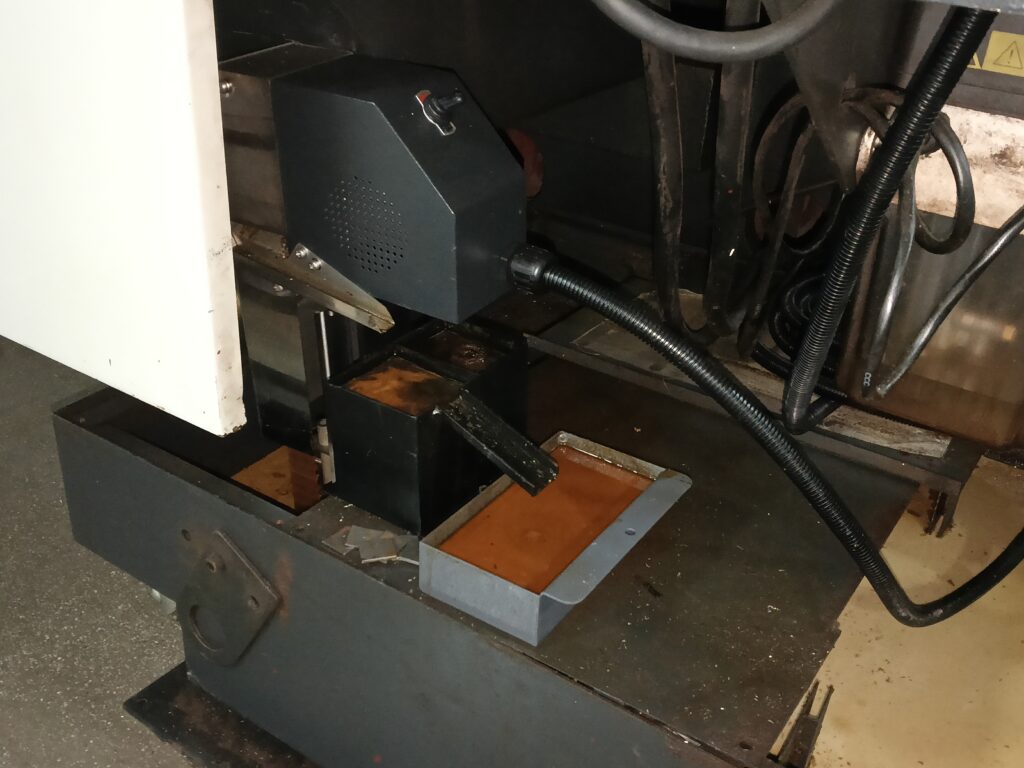
Dust generated from woodworking, metalworking, or sanding can accumulate quickly, creating hazardous conditions. Research shows that prolonged exposure to fine dust can lead to respiratory issues and impact overall health. A proper dust collector not only removes airborne particles but also helps maintain a cleaner and safer workspace, improving efficiency and product quality.
Types of Dust Collectors for Shops
Choosing the right type depends on your shop size and the volume of dust produced. The main types include:
- Single-stage collectors: Suitable for small shops, these units draw dust directly into a single filter.
- Two-stage collectors: Use a pre-separator to capture larger chips before the main filter, ideal for medium shops.
- Cyclone collectors: Most efficient for large workshops, separating heavy particles from fine dust before filtration.
Key Features to Look For
When evaluating dust collectors for your shop, consider these features:
- CFM (Cubic Feet per Minute): Measures airflow; higher CFM handles more dust.
- Filter type: HEPA filters capture finer particles, while cartridge filters handle larger volumes.
- Noise level: Shops benefit from quieter units for extended use.
- Portability: Some units are fixed, others can be moved for versatile shop layouts.
Shop Size and Dust Collection Needs
Different shop sizes require different dust collection capacities. Small shops may need only 500–1,000 CFM, while medium shops require 1,500–3,000 CFM, and large workshops need 3,500 CFM or more. Matching airflow to your tools ensures efficient dust capture.
Comparison Table of Common Dust Collectors for Shops
| Type | Typical CFM | Filter Type | Best Use |
|---|---|---|---|
| Single-stage | 500–1,000 | Bag filter | Small shops, DIY projects |
| Two-stage | 1,500–3,000 | Cartridge | Medium shops, woodworking |
| Cyclone | 3,500+ | HEPA/Cartridge | Large workshops, heavy dust |
| Portable unit | 600–1,200 | Bag or cartridge | Flexible, mobile use |
This table helps you quickly compare options based on airflow, filter type, and typical applications, making it easier to choose the right unit for your workspace.
Maintenance Tips for Longevity
Regular maintenance ensures your dust collector operates efficiently. Tips include:
- Clean or replace filters on schedule.
- Empty collection bags or bins before full.
- Inspect hoses and connections for leaks.
- Lubricate moving parts as needed.
Proper care prolongs the life of your equipment and ensures consistent air quality in your shop.
Benefits Beyond Clean Air
Beyond removing dust, a good shop dust collector can:
- Reduce fire risks by removing flammable particles.
- Protect your tools and machines from dust buildup.
- Improve product quality by reducing defects caused by airborne debris.
- Enhance comfort and safety for employees and hobbyists alike.
Energy Efficiency and Cost Considerations
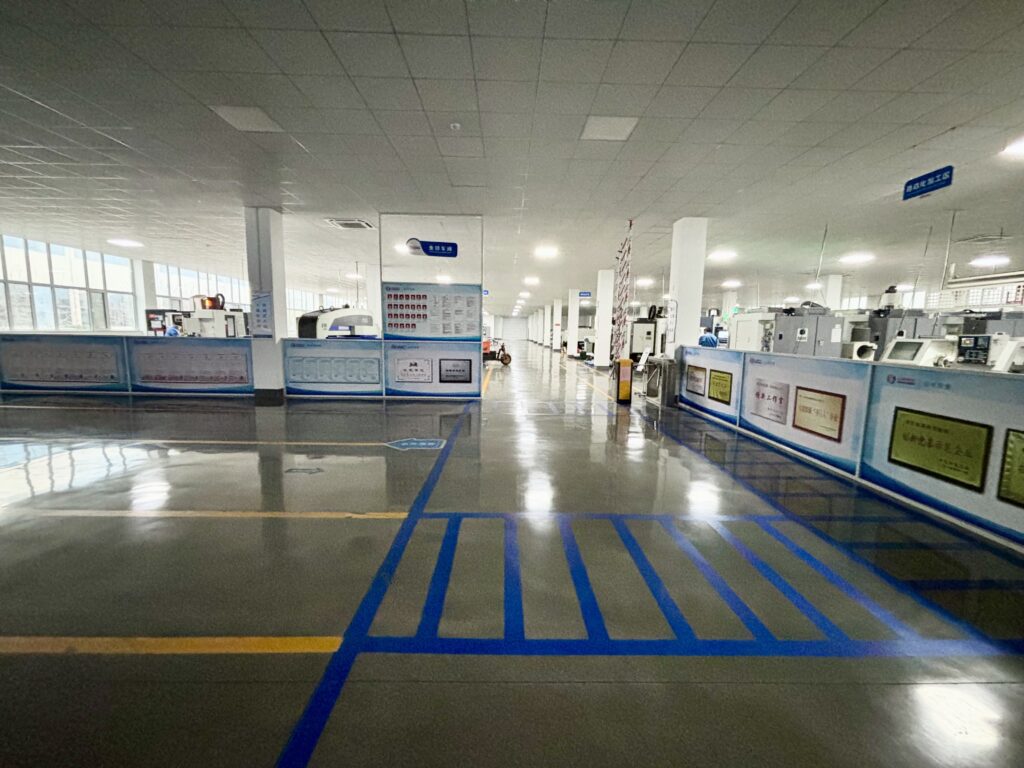
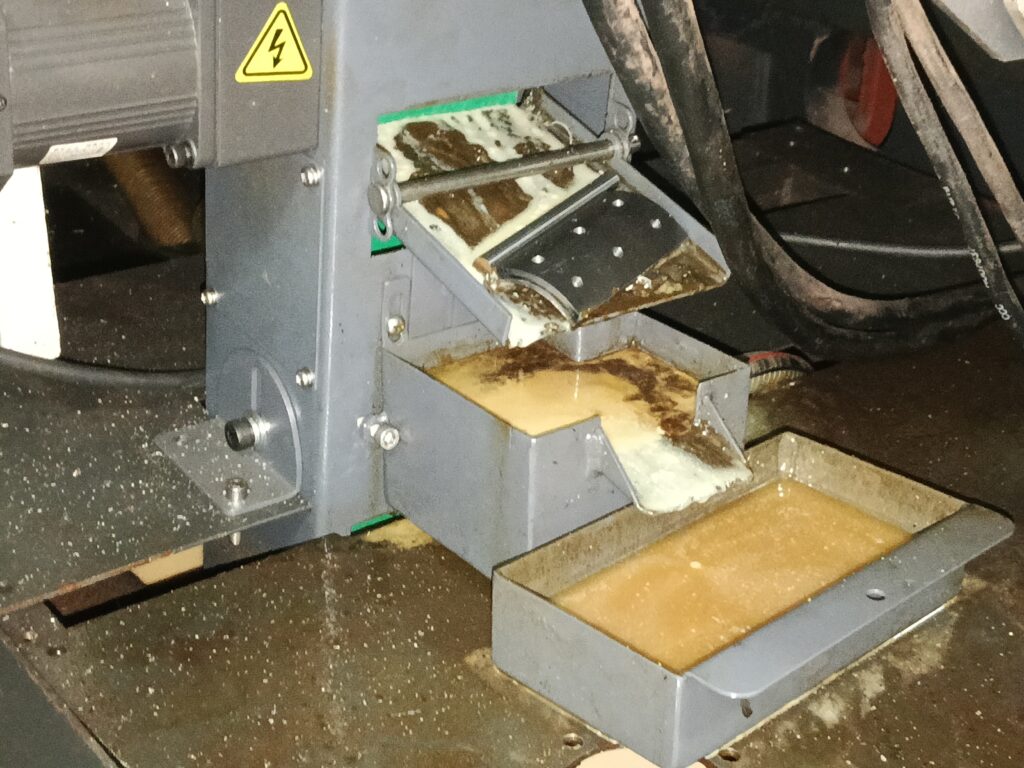
Modern dust collectors are designed for efficiency. Look for models with variable speed motors and energy-saving features. While initial costs may vary, investing in a high-quality dust collector pays off in reduced maintenance, improved health, and better shop performance.
Conclusion
Investing in the right dust collector for your shop is more than just a safety measure—it’s a productivity booster and a long-term cost saver. By understanding your workspace size, dust output, and equipment needs, you can select a system that ensures clean air, protects health, and improves overall workflow. Remember, proper installation and regular maintenance are key to maximizing the efficiency and lifespan of your dust collector.
FAQ
What size dust collector do I need for a small shop?
For a small shop, a dust collector with 500–1,000 CFM is usually sufficient. Select a unit that aligns with the types and number of tools you use, ensuring it can handle the dust generated during your projects for effective air cleaning.
How often should I clean my dust collector filter?
Dust collector filters should be cleaned or replaced according to the manufacturer’s instructions. For light to moderate use, this often means every few months. Regular maintenance ensures optimal airflow, prolongs filter life, and keeps your shop environment safe and clean.
Are portable dust collectors effective?
Portable dust collectors are ideal for flexible or temporary workspaces. They allow you to move the unit where needed, but typically have lower airflow compared to fixed systems. They work well for small jobs or hobby shops but may not handle large-scale dust efficiently.
Can a dust collector reduce fire risks?
Yes. Dust collectors remove flammable dust particles before they can accumulate on surfaces, reducing the risk of sparks igniting a fire. Properly maintained collectors improve safety, keeping your tools, workshop, and personnel protected from fire hazards.
What is the difference between single-stage and cyclone collectors?
Single-stage collectors pull dust directly into a filter and are suitable for small shops with light dust. Cyclone collectors separate larger particles before filtration, improving efficiency for medium to heavy dust loads and preventing filters from clogging too quickly.
Need Help Choosing the Right Dust Collector for Your Shop?
If you’re unsure which dust collector is best for your workspace or project, our experts are here to help. Contact us today for a personalized consultation, and ensure your shop stays clean, safe, and efficient. Don’t wait until dust affects your tools or health—get in touch now to protect your workspace and your team!
