-
WhatsAPP: +86 18706448138
-
Tengzhou, Shandong, China
Innovative Electrical Solutions for CNC Machines
Innovative Electrical Solutions for CNC Machines
The Complete Manufacturer’s Guide to Flexible Cables: Types, Uses, and Selection Tips
Learn how to choose, install, and maintain flexible cables for industrial, commercial, and renewable applications. Expert tips from a trusted manufacturer.
Table of Contents
Introduction
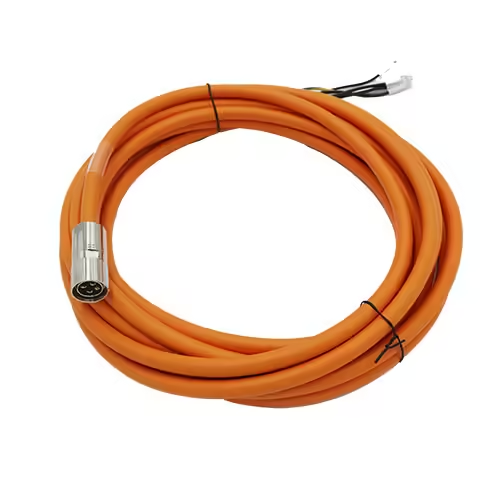
Flexible cables are essential components in modern electrical and industrial systems. Unlike rigid cables, they offer superior flexibility, making them ideal for applications that require frequent movement, bending, or vibration resistance. As a manufacturer of high-quality flexible cables, we specialize in providing solutions for industrial machinery, automation systems, renewable energy projects, and commercial wiring.
This guide explores the types, applications, installation tips, and selection criteria for flexible cables, helping engineers, electricians, and project managers make informed decisions. By sharing our expertise, we aim to offer both practical knowledge and insight into our product range.
What Is a Flexible Cable?
A flexible cable is a type of electrical conductor designed to withstand repeated bending and mechanical stress without compromising performance. It typically consists of multiple fine copper strands bundled together, insulated with durable materials such as PVC, rubber, or thermoplastic elastomers. Unlike rigid cables, which can crack or break under movement, flexible cable maintain consistent conductivity and safety.
Construction and Materials of Flexible Cables
Flexible cables usually feature:
- Copper Strands: Multi-strand copper wires provide high flexibility and conductivity.
- Insulation: Materials like PVC, silicone, or TPE protect against electrical hazards and environmental conditions.
- Protective Sheath: Outer layers enhance durability, resist abrasion, and shield against chemicals or heat.
Standards and Certifications
Manufacturers must comply with international standards to ensure quality and safety:
- UL Certification – Ensures compliance with electrical safety standards in North America.
- IEC Standards – Global guidelines for flexible cable performance.
- RoHS Compliance – Confirms the cable is free of harmful substances.
Types of Flexible Cables
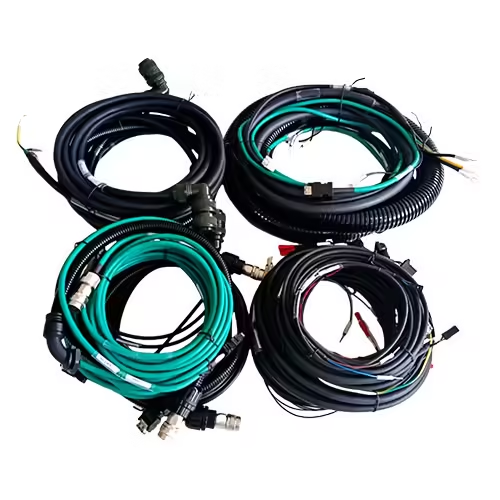
Flexible cables are designed to meet different operational requirements. The most common types include:
- Industrial Flexible Cable: Suitable for machines, automation, and heavy-duty applications.
- High Temperature Flexible Cable: Handles extreme heat, ideal for manufacturing environments.
- Automotive Flexible Cable: Used in vehicles for wiring harnesses and dynamic applications.
- Renewable Energy Flexible Cable: Designed for solar panels, wind turbines, and other energy systems.
Features of Each Type
| Cable Type | Key Features | Applications |
|---|---|---|
| Industrial Flexible Cable | High flexibility, abrasion resistance | Factory machinery, conveyor systems |
| High Temperature Flexible Cable | Heat-resistant insulation, chemical resistant | Furnaces, industrial ovens, heavy machinery |
| Automotive Flexible Cable | Vibration resistant, compact | Cars, trucks, buses |
| Renewable Energy Flexible Cable | UV-resistant, weatherproof | Solar panels, wind turbines |
Each type is tailored to specific operational needs, ensuring longevity and efficiency in its respective environment.
Key Applications of Flexible Cables
Flexible cable is widely used across multiple industries:
- Industrial Machinery and Automation: Power and signal transmission in robotic arms, conveyor belts, and CNC machines.
- Home and Commercial Wiring: Connecting appliances, lighting, and HVAC systems where movement is expected.
- Robotics and Manufacturing Systems: Cables must endure repeated bending and movement without losing conductivity.
- Renewable Energy Projects: Solar and wind installations require UV-resistant, durable cables to ensure safety and performance.
Case Studies from Our Manufacturing Experience
We have supplied flexible cables to various industries, including automotive assembly lines, large-scale industrial automation projects, and solar power farms. In each case, selecting the correct type of flexible cable improved system reliability and reduced maintenance costs.
How to Choose the Right Flexible Cable
Choosing the right flexible cable depends on several factors:
- Voltage Rating: Ensure compatibility with your electrical system.
- Temperature Range: Match the insulation to operating conditions.
- Flexibility Requirements: Consider movement frequency and bending radius.
- Length and Installation Environment: Longer runs may require larger gauge cables to reduce voltage drop.
Common Mistakes to Avoid
- Using rigid cables in high-movement areas
- Selecting cables without proper heat or chemical resistance
- Ignoring manufacturer recommendations and standards
Comparing flexible cables with rigid or armored alternatives helps determine the most efficient solution for specific projects.
Installation Tips for Flexible Cables
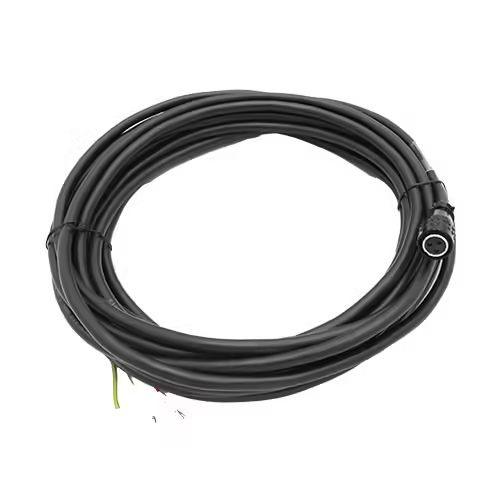
Proper installation ensures optimal performance and safety:
- Plan the Route: Avoid sharp bends and tight corners.
- Use Appropriate Accessories: Cable ties, conduits, and protective covers help prevent wear.
- Follow Safety Protocols: Ensure power is off during installation and maintain compliance with electrical codes.
- Avoid Overstretching: Flexible cables must not be pulled beyond their bending radius.
Tools and Accessories Needed
- Conduits or cable trays
- Cable clips or ties
- Heat shrink tubing for connections
- Protective gloves and safety equipment
Proper installation not only prolongs cable life but also prevents costly downtime in industrial environments.
Maintenance and Longevity
Regular maintenance of flexible cables is crucial to ensure long-term performance:
- Inspect for wear, fraying, or insulation damage.
- Check for overheating or signs of electrical stress.
- Replace damaged cables immediately to avoid safety hazards.
Troubleshooting Common Issues
- Abrasion: Caused by contact with sharp edges.
- Overheating: Often due to excessive current or improper cable sizing.
- Mechanical Stress: Repeated bending can weaken poorly designed cables.
Proactive maintenance minimizes operational risks and extends the cable’s lifespan.
Why Choose Manufacturer-Direct Flexible Cables
Purchasing flexible cables directly from a manufacturer offers significant advantages:
- Quality Assurance: Guaranteed materials and adherence to standards.
- Customization: Options for voltage rating, insulation material, and length.
- Competitive Pricing: Wholesale and bulk discounts.
How Our Flexible Cables Stand Out
- High durability and flexibility
- Certified by international safety standards
- Wide range of types for diverse applications
Choosing a trusted manufacturer ensures your flexible cables meet rigorous industrial and commercial requirements.
Flexible Cable Innovations and Trends

The industry is evolving with new materials and technologies:
- Thermoplastic elastomers for higher flexibility and chemical resistance
- Lightweight, high-conductivity copper strands
- UV-resistant and weatherproof cables for outdoor renewable energy projects
Future Outlook for Industrial Flexible Cables
Flexible cables will continue to play a critical role in automation, robotics, and smart manufacturing, supporting increasingly complex and demanding electrical systems.
Conclusion
Flexible cables are vital for modern electrical systems, offering flexibility, durability, and reliability across industrial, commercial, and renewable energy applications. Selecting the right type, installing it properly, and maintaining it regularly ensures optimal performance and safety.
As a manufacturer of premium flexible cables, we provide tailored solutions to meet diverse project needs, backed by international certifications and decades of experience. Whether you are seeking industrial-grade cables or high-temperature solutions, understanding the types, applications, and selection criteria will help you make the most informed decision.
FAQ
Q: What is the difference between flexible cable and multi-core cable?
A: Flexible cables are designed for repeated movement, while multi-core cables are often fixed and less bendable.
Q: Can flexible cables be used outdoors?
A: Yes, if they are rated for UV and weather resistance.
Q: How do I determine the right flexible cable for my project?
A: Consider voltage, temperature, flexibility, and environmental conditions.
Q: Are high temperature flexible cables necessary for industrial machinery?
A: For operations involving heat or heavy loads, they are highly recommended to ensure safety and longevity.