-
WhatsAPP: +86 18706448138
-
Tengzhou, Shandong, China
Innovative Electrical Solutions for CNC Machines
Innovative Electrical Solutions for CNC Machines

High Efficiency Oil Water Separator: How to Maximize Performance and Water Quality
Learn how to choose a high efficiency oil water separator. Tips on features, applications, and maintenance for cleaner water and better performance.
Table of Contents
A advanced oil water separator is essential for industries that need reliable and consistent oil removal from wastewater. Whether in manufacturing, automotive services, or processing facilities, these systems help maintain environmental compliance, protect equipment, and improve operational efficiency. Understanding how high efficiency oil water separators work and how to choose the right one can significantly enhance your overall system performance.
Introduction

A high efficiency oil water separator is a device designed to remove oil, grease, and hydrocarbons from water with greater precision and effectiveness than standard separators. These systems often incorporate advanced technologies such as coalescing media, gravity separation, and automated skimming. Industry reports indicate that high-efficiency systems can remove up to 90–99% of free oil from wastewater, improving discharge quality and reducing environmental impact.
How a High Efficiency Oil Water Separator Works
A high efficiency oil water separator operates by exploiting the density difference between oil and water. Oil droplets rise to the surface, where they are collected and removed. Advanced models use coalescing plates or filters to merge smaller oil droplets into larger ones, improving separation efficiency. Automated systems continuously remove oil, ensuring consistent performance without manual intervention.
Key Features to Look For
When selecting a high efficiency oil water separator, consider the following features:
- Separation efficiency: Look for systems with high oil removal rates
- Flow rate capacity: Ensure it matches your wastewater volume
- Coalescing technology: Improves removal of fine oil droplets
- Automation level: Reduces manual maintenance and improves reliability
- Durability: Materials should withstand corrosive environments
These features ensure your system delivers consistent, long-term performance.
Applications of High Efficiency Oil Water Separators
High efficiency oil water separators are widely used in:
- Industrial manufacturing plants
- Automotive service centers
- Metalworking and machining facilities
- Food processing and packaging environments
These systems help reduce contamination, protect downstream equipment, and ensure compliance with environmental standards.
Comparison of Oil Separation Methods
| Method | Efficiency | Typical Use | Maintenance |
|---|---|---|---|
| High Efficiency Oil Water Separator | Very High | Industrial wastewater | Medium |
| Gravity Separator | Medium | Basic separation | Low |
| Oil Skimmer | Medium | Tanks and sumps | Medium |
| Coalescing Plate Separator | High | Fine oil removal | Medium |
| Absorbent Materials | Low | Small spills | High |
This table highlights how a high efficiency oil water separator compares with other oil removal methods in terms of efficiency, application, and maintenance requirements.
Benefits of Using a High Efficiency Oil Water Separator
Using a high efficiency oil water separator offers several advantages:
- Improved water quality and environmental compliance
- Reduced equipment wear and maintenance costs
- Lower risk of system blockages and downtime
- Recovery of reusable oil for cost savings
These benefits make it a valuable investment for any operation dealing with oily wastewater.
Maintenance and Best Practices
To maintain optimal performance:
- Regularly inspect and clean coalescing media
- Remove collected oil promptly
- Monitor flow rates and system pressure
- Replace worn components as needed
Consistent maintenance ensures your high efficiency oil water separator continues to operate at peak efficiency.
Common Challenges and Solutions
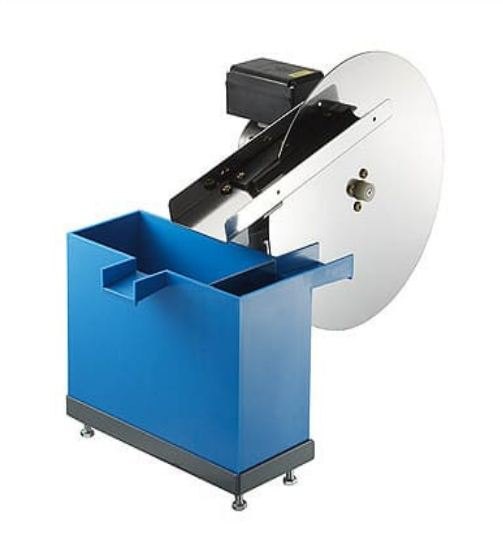
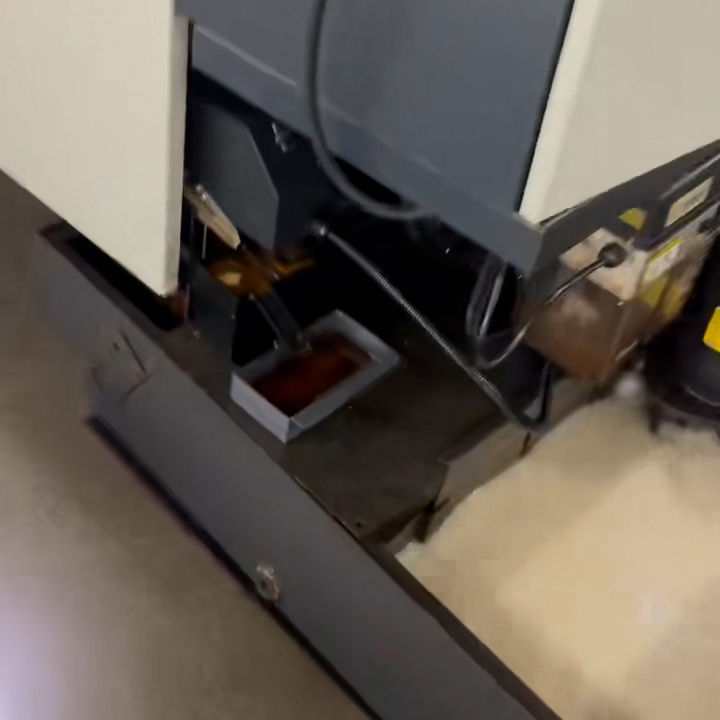
Challenges such as emulsified oil, fluctuating flow rates, or sludge buildup can affect performance. Solutions include installing pre-treatment systems, selecting the correct separator size, and using advanced coalescing technology to improve oil separation.
Conclusion
A high efficiency oil water separator is a critical component for industries that require effective oil removal and water treatment. By understanding how these systems work, their key features, and proper maintenance practices, you can ensure optimal performance, reduce operational costs, and meet environmental standards. Investing in the right separator enhances both efficiency and sustainability in your operations.
FAQ
What is a high efficiency oil water separator?
It is a system designed to remove oil and hydrocarbons from water with high precision, often achieving up to 90–99% oil removal efficiency.
How do I choose the right size?
Select a separator based on your flow rate, oil concentration, and application requirements to ensure optimal performance.
Can it handle emulsified oil?
Yes, but additional coalescing media or pre-treatment may be required for best results.
How often should maintenance be performed?
Regular inspections and cleaning should be done monthly, with more frequent checks in high-load environments.
What industries benefit most from these systems?
Industries such as manufacturing, automotive, and food processing benefit from improved water quality and reduced contamination.
Need Help Choosing the Right High Efficiency Oil Water Separator?
If you’re unsure which system best fits your operation, our experts are here to help. Contact us today for a personalized consultation, and ensure your wastewater treatment is efficient, reliable, and compliant. Don’t wait—optimize your system and protect your equipment now!