-
WhatsAPP: +86 18706448138
-
Tengzhou, Shandong, China

Innovative Electrical Solutions for CNC Machines
Innovative Electrical Solutions for CNC Machines

How to Choose the Best Machine Shop Work Lights for Your Workshop
Learn how to choose machine shop work lights for better visibility, safety, and efficiency. Expert tips from a professional manufacturer.
In modern manufacturing environments, lighting is no longer a secondary consideration—it directly impacts precision, safety, and productivity. As a professional manufacturer of machine shop work lights, we understand the challenges faced in real-world machining environments, from coolant exposure to vibration and limited installation space.
This guide will help you select the right lighting solution for your workshop while also introducing key features, specifications, and practical considerations that matter most in industrial applications.
Table of Contents
Why Proper Lighting Matters in Machine Shops

Machine shops demand high visual accuracy. Whether operating CNC machines or manual equipment, insufficient lighting can lead to measurement errors, operator fatigue, and even safety risks.
Proper machine shop work lights improve visibility on cutting edges, reduce shadows, and help operators monitor machining processes more effectively. In high-precision tasks, even small lighting inconsistencies can affect final product quality.
Additionally, well-designed industrial lighting contributes to a safer workspace by minimizing glare and highlighting moving components.
Types of Machine Shop Work Lights
LED Work Lights for Industrial Use
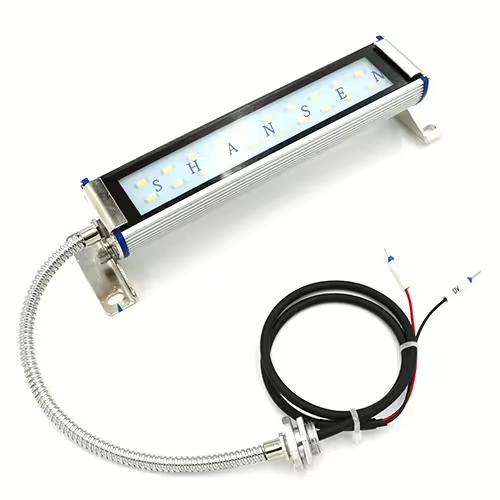
LED work lights have become the standard in modern machine shops. They offer high brightness, low energy consumption, and long service life. Compared to traditional lighting, LED machine lights maintain stable output and perform well in demanding environments.
Halogen and Fluorescent Options
Although less common today, halogen and fluorescent lights are still found in some facilities. However, they generate more heat, consume more energy, and require frequent replacement, making them less suitable for heavy-duty machining environments.
Task Lighting vs General Lighting
General lighting illuminates the entire workspace, while task lighting focuses directly on machining areas. The most effective setup combines both, using dedicated machine shop work lights to ensure optimal visibility at critical points.
Key Features to Look for in Machine Shop Work Lights
When selecting the right solution, consider the following features:
- High lumen output for clear visibility in detailed operations
- Adjustable arm or gooseneck design for flexible positioning
- Magnetic base or fixed mount options for different installation needs
- Waterproof and dustproof construction (IP-rated designs)
- Coolant-resistant housing to withstand harsh environments
- Anti-vibration performance for stable lighting during operation
- Low voltage systems for enhanced safety
These features are essential for ensuring long-term performance in industrial settings.
Choosing the Right Lighting for Different Machines
CNC Milling Machines
CNC environments require bright, focused lighting to illuminate complex tool paths and fine details. Adjustable LED work lights are ideal for these applications.
Lathe Machines
For lathes, minimizing shadows around rotating components is critical. Compact, directional lighting helps improve visibility without interfering with machine operation.
Drilling and Grinding Machines
These machines benefit from concentrated beam angles and glare control, ensuring precision without eye strain.
Understanding Lighting Specifications
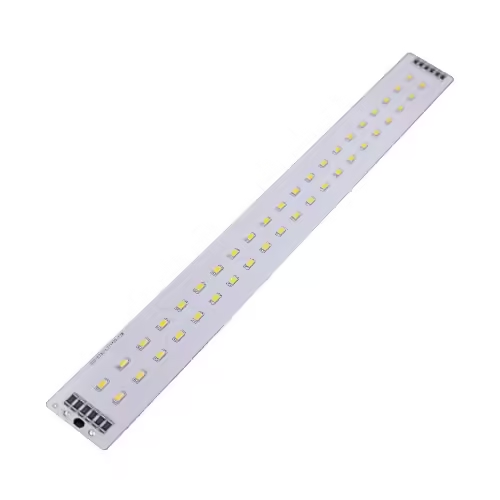
Selecting the right machine shop work lights requires understanding key technical parameters:
- Lumens vs Watts: Lumens measure brightness, while watts indicate energy consumption
- Color Temperature: Cool white (5000K–6500K) is ideal for machining tasks
- Beam Angle: Determines how light is distributed across the workspace
- CRI (Color Rendering Index): Higher CRI ensures accurate color perception on metal surfaces
Industrial Environment Considerations
Machine shops are harsh environments where lighting must withstand:
- Oil and coolant exposure
- Dust and metal particles
- High temperatures
- Continuous vibration
Choosing IP65 or IP67-rated machine shop work lights ensures reliable operation. Durable materials such as aluminum housings and sealed structures extend product lifespan and reduce maintenance needs.
Installation and Mounting Options
Different workshops require different installation methods:
- Magnetic mounting for flexible positioning
- Fixed brackets for permanent setups
- Integrated machine lighting systems for streamlined design
Correct placement is just as important as the light itself. Positioning lights at the right angle helps eliminate shadows and improve overall efficiency.
Energy Efficiency and Cost Savings
LED machine shop work lights are a cost-effective solution for long-term use. Compared to traditional lighting, they offer:
- Lower energy consumption
- Longer lifespan
- Reduced maintenance costs
Over time, these advantages translate into significant savings for manufacturing facilities, especially in large-scale operations.
Common Mistakes When Choosing Machine Shop Work Lights
Avoid these common issues when selecting lighting:
- Choosing insufficient brightness levels
- Ignoring color temperature requirements
- Overlooking environmental durability
- Poor installation leading to shadows or glare
Making the right choice from the beginning can prevent costly adjustments later.
Why Work with a Professional Manufacturer
Working directly with an experienced manufacturer provides several advantages:
- Consistent quality and reliable performance
- Custom machine shop work lights tailored to specific applications
- OEM and ODM capabilities for brand development
- Stable supply and competitive pricing
- Technical support and after-sales service
As a manufacturer, we focus on delivering lighting solutions designed specifically for industrial machining environments, ensuring both performance and durability.
How to Choose a Reliable Machine Shop Work Lights Supplier
When evaluating suppliers, consider:
- Industry certifications and quality standards
- Experience in industrial lighting production
- Customization capabilities
- Export experience and global partnerships
A reliable supplier should not only provide products but also offer solutions tailored to your operational needs.
Machine Shop Work Lights Comparison Table
| Feature | LED Work Lights | Halogen Lights | Fluorescent Lights |
|---|---|---|---|
| Energy Efficiency | High | Low | Medium |
| Lifespan | Long | Short | Medium |
| Heat Generation | Low | High | Medium |
| Maintenance Frequency | Low | High | Medium |
| Suitability for CNC | Excellent | Limited | Moderate |
| Resistance to Environment | Strong (IP-rated options) | Weak | Moderate |
Conclusion
Choosing the right machine shop work lights is essential for improving machining accuracy, operator safety, and overall productivity. From understanding lighting specifications to selecting durable, coolant-resistant designs, every detail plays a role in optimizing your workshop environment.
As a manufacturer, providing high-quality, application-specific lighting solutions allows us to support a wide range of industrial needs. By investing in reliable and efficient lighting systems, machine shops can enhance performance, reduce costs, and maintain consistent production standards over time.
FAQ: Machine Shop Work Lights
Q1: What are the best machine shop work lights for industrial use?
The best machine shop work lights are typically LED-based, offering high brightness, energy efficiency, and long lifespan. Look for models with adjustable arms, high IP ratings, and coolant resistance for reliable performance in harsh environments.
Q2: How bright should machine shop work lights be?
For most machining tasks, work lights should provide between 1,000 to 3,000 lumens, depending on the application. Precision operations like CNC machining may require higher brightness for better visibility.
Q3: Are LED work lights suitable for CNC machines?
Yes, LED work lights are ideal for CNC machines due to their stable light output, low heat generation, and durability. They also perform well in environments with vibration, oil, and coolant exposure.
Q4: What features should I look for in machine shop work lights?
Key features include high lumen output, adjustable positioning, waterproof and dustproof design (IP65 or higher), anti-vibration construction, and compatibility with different mounting options such as magnetic or fixed installation.
Q5: Can machine shop work lights withstand coolant and oil exposure?
High-quality machine shop work lights are designed with sealed housings and coolant-resistant materials. Choosing lights with proper IP ratings ensures long-term durability in demanding industrial conditions.