-
WhatsAPP: +86 18706448138
-
Tengzhou, Shandong, China

Innovative Electrical Solutions for CNC Machines
Innovative Electrical Solutions for CNC Machines

How to Choose the Right Dust Collector for Shop Efficiency
Table of Contents
Maintaining a clean and safe workshop requires more than just tidying up; it demands an effective dust management system. A dust collector for shop use is essential for capturing fine particles, preventing respiratory issues, and keeping tools functioning optimally. Choosing the right model involves understanding airflow needs, filter types, maintenance requirements, and shop size. This guide will help you navigate these considerations and make an informed decision.
Introduction
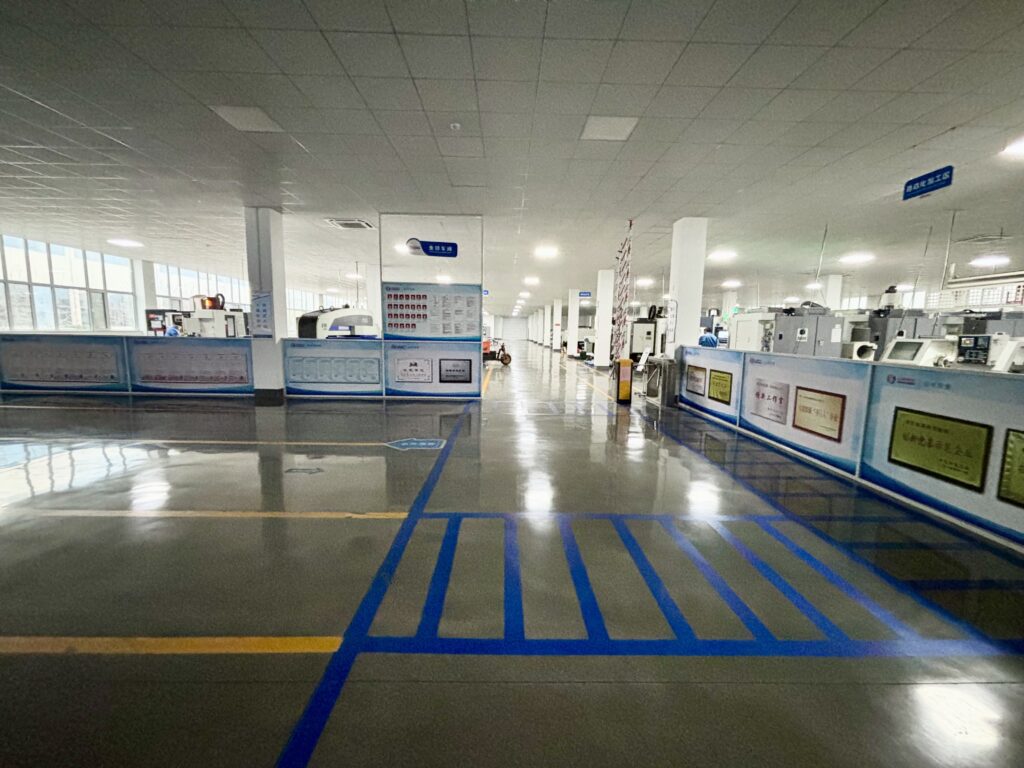
Dust collectors are machines designed to capture airborne dust and debris generated during woodworking, metalworking, or other shop processes. For small to medium workshops, dust accumulation can pose serious safety hazards, including respiratory issues and fire risks. Research indicates that prolonged exposure to fine dust particles can affect lung function and increase the likelihood of occupational illnesses. Effective dust collection ensures a healthier work environment and extends the life of your tools by preventing dust buildup in motors and mechanisms.
Types of Dust Collectors for Shops
There are several types of dust collectors suitable for workshops, each designed for specific applications:
- Single-stage dust collectors draw dust directly into a filter bag or cartridge. They are generally compact, affordable, and ideal for small shops with moderate dust loads.
- Cyclone dust collectors separate larger debris from fine dust using centrifugal force before reaching the filter, improving efficiency and prolonging filter life. These are suitable for shops with heavy dust production.
- Portable units offer flexibility and can be moved between workstations but typically have lower airflow than stationary units. They are excellent for temporary setups or shared workspaces.
Understanding these types will help you select a model that balances efficiency, cost, and shop layout.
Sizing Your Dust Collector for Your Shop
Proper sizing is critical. Dust collectors are rated in cubic feet per minute (CFM), which indicates the volume of air the unit can move. To determine your shop’s needs, consider:
- The number and type of machines in use simultaneously
- The size of the workspace and ducting layout
- The types of materials being processed
For example, a small shop with one or two machines may need 500–1,000 CFM, while a medium shop with multiple machines may require 1,500–3,000 CFM. Ensuring your dust collector matches your airflow needs prevents undersized units from being ineffective or oversized units from wasting energy.
Key Features to Consider
When selecting a dust collector for shop use, pay attention to:
- Filter type: HEPA or pleated filters capture fine dust more efficiently. Washable filters reduce long-term maintenance costs.
- Noise level: Some units include sound insulation to reduce distraction in the workspace.
- Portability: Wheels or lightweight designs allow for flexible placement.
- Power source: Electric motor specifications affect performance and energy consumption.
These features directly impact the efficiency, usability, and longevity of your dust collector.
Maintenance and Longevity Tips
A dust collector’s performance relies on proper upkeep. Regular maintenance includes:
- Cleaning or replacing filters as recommended by the manufacturer
- Inspecting ductwork for leaks or blockages
- Checking the motor and moving parts for wear
Maintaining your dust collector ensures it continues to provide optimal airflow and dust separation, reducing both health risks and operational costs.
Comparing Popular Models and Brands
To make an informed purchase, consider comparing models based on airflow, portability, filter type, and intended use. The following table illustrates typical options for shop environments:
| Model | Airflow (CFM) | Portability | Filter Type | Best Use |
|---|---|---|---|---|
| Model A | 800 | High | Pleated | Small woodworking shop |
| Model B | 1500 | Medium | HEPA | Medium-sized workshop |
| Model C | 3000 | Low | Cyclone + HEPA | Large industrial shop |
This comparison highlights how different units meet varying shop requirements, allowing you to select the best option based on size, efficiency, and dust type.
Benefits of a Properly Sized Dust Collector
Choosing the right dust collector offers multiple advantages:
- Healthier work environment by reducing airborne dust and allergens
- Improved tool performance and reduced wear due to less dust accumulation
- Cleaner workspace, leading to safer and more efficient operations
According to research on industrial air quality, proper dust collection can reduce airborne particle concentration by up to 90%, significantly decreasing respiratory risks for shop workers.
Common Mistakes to Avoid
Some common errors when selecting dust collectors include:
- Choosing a unit too small for your shop, which limits efficiency
- Ignoring filter maintenance, leading to reduced airflow
- Poor ducting layout, which can create suction loss and uneven dust capture
Avoiding these mistakes ensures your dust collector performs as intended, protecting both your health and your investment.
Budget Considerations and Cost vs Performance
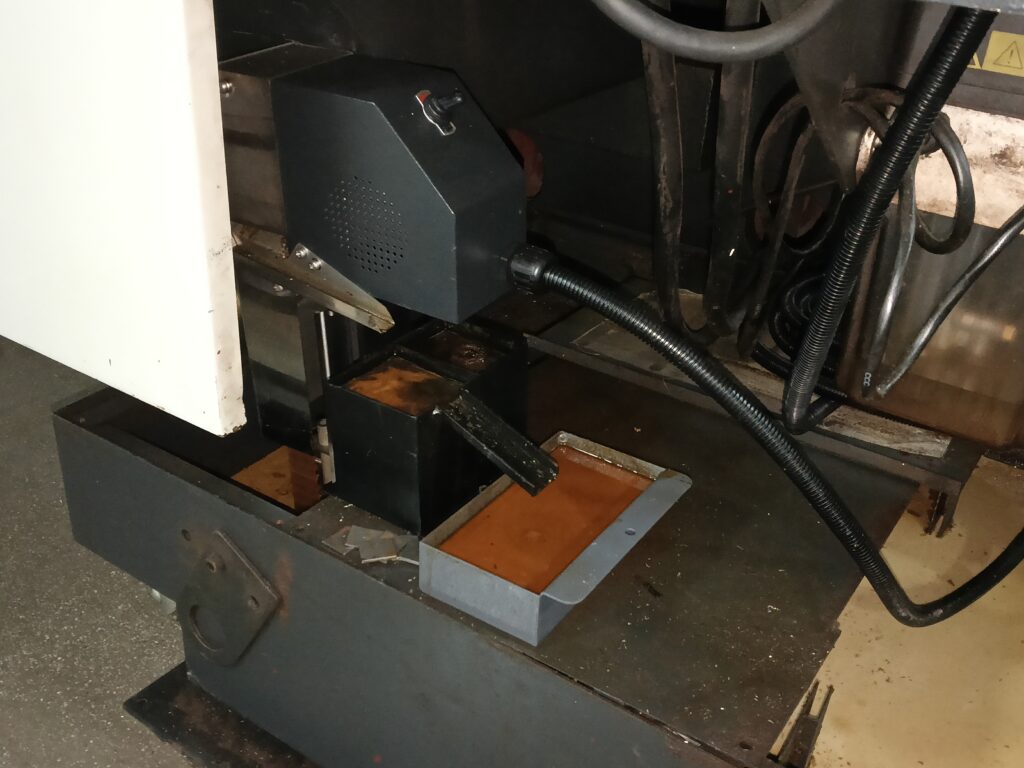
While initial cost is a factor, consider the long-term benefits of higher efficiency and lower maintenance. Entry-level units may suit small workshops, but industrial-grade units can deliver better performance and filter longevity. Balancing upfront cost with ongoing operational savings ensures the most value from your purchase.
Conclusion
Selecting the right dust collector for shop efficiency requires evaluating your workspace, tool usage, and dust type. By considering airflow requirements, filter options, portability, and maintenance, you can make a choice that improves air quality, safety, and productivity. A properly sized and maintained dust collector protects both your health and your tools, making it a wise investment for any workshop environment.
FAQ
What size dust collector do I need for my shop?
A small shop typically needs 500–1,000 CFM, while a medium or larger shop may require 1,500–3,000 CFM. Choose based on the number of machines and dust production.
How often should I clean or replace the dust collector filter?
Filters should be checked regularly and cleaned or replaced every few months, depending on usage and the type of dust collected.
Are portable dust collectors effective for workshops?
Yes, portable units provide flexibility and can be moved between stations, but they usually have lower airflow than stationary units.
Can a dust collector reduce fire hazards in a shop?
Absolutely. By capturing fine and flammable dust before it accumulates, dust collectors significantly lower the risk of sparks igniting fires.
What is the difference between single-stage and cyclone dust collectors?
Single-stage units draw dust directly into a filter, suitable for small shops. Cyclone collectors separate large particles first, improving efficiency and extending filter life.
Need Help Choosing the Right Dust Collector for Your Shop?
If you’re unsure which dust collector for shop is best for your workspace, our experts are here to help. Contact us today for a personalized consultation, and ensure your shop stays clean, safe, and efficient. Don’t wait until dust becomes a hazard—get in touch now to protect your tools, employees, and workspace!