-
WhatsAPP: +86 18706448138
-
Tengzhou, Shandong, China

Innovative Electrical Solutions for CNC Machines
Innovative Electrical Solutions for CNC Machines

The Ultimate Guide to Door Safety Switches for Industrial Applications
Learn how industrial door safety switches protect workers, reduce downtime, and ensure compliance. Expert guide from a trusted manufacturer.
Table of Contents
What is a Door Safety Switch?
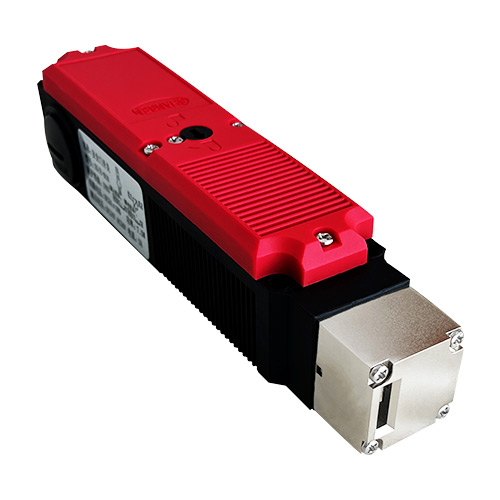
A door safety switch is a critical component in industrial safety systems, designed to prevent accidents by controlling access to hazardous areas. These switches ensure that machinery cannot operate unless doors or safety guards are properly closed, providing a reliable layer of protection for employees and equipment.
As a manufacturer of high-quality door safety switches, we focus on producing switches that comply with international safety standards such as ISO 13849 and IEC 60947. Installing a reliable door safety switch not only protects workers but also minimizes downtime and potential financial losses caused by workplace accidents.
Key benefits of using a door safety switch include:
- Ensuring machine operation only when safety doors are closed
- Reducing the risk of injuries in high-risk areas
- Integrating with emergency stop systems for added safety
How Door Safety Switches Work
Mechanical door safety switches operate by physically detecting the position of a door or guard. When a door is closed, the switch completes an electrical circuit, allowing the machine to function. If the door is opened, the circuit is broken, and the machine stops immediately.
Magnetic door safety switches use a magnetic field to detect door position. They are ideal for applications where minimal wear and long-term reliability are required. These switches are widely used in automated production lines and industrial robots.
Many modern door safety switches can be integrated with emergency stop systems, programmable logic controllers (PLCs), and other safety circuits to create a comprehensive industrial safety solution.
Types of Door Safety Switches
| Type | Key Features | Typical Applications |
|---|---|---|
| Mechanical Door Safety Switch | Durable metal housing, key-operated or actuator mechanism | Heavy machinery, industrial doors |
| Magnetic Door Safety Switch | Non-contact, long lifespan, resistant to dust and debris | Automated lines, cleanroom environments |
| Key-Operated Door Safety Switch | Provides controlled access, prevents unauthorized operation | Restricted areas, safety-critical zones |
| Heavy-Duty Industrial Switch | High impact resistance, waterproof and dustproof options | Factories, manufacturing plants |
By offering a variety of door safety switches, we ensure that manufacturers can select the best solution for their specific safety requirements.
Features to Look for When Choosing a Door Safety Switch
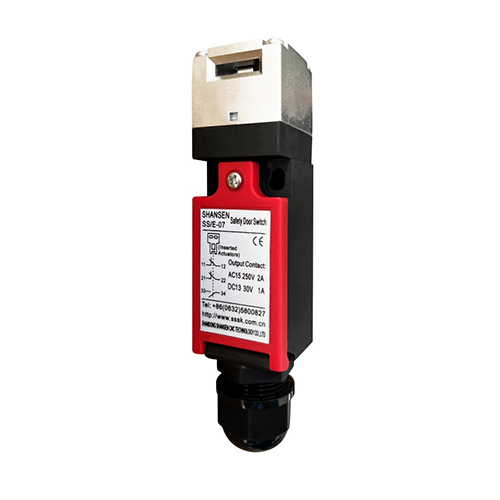
When selecting a door safety switch, consider the following features:
- Durability and Material Quality: Industrial environments demand robust switches that can withstand daily wear and tear.
- Compatibility with Machines: Ensure the switch integrates seamlessly with existing equipment and safety systems.
- Safety Certifications: Look for switches certified by recognized standards to guarantee reliability and compliance.
- Ease of Installation and Maintenance: Quick installation and minimal maintenance reduce operational interruptions.
Benefits of Using a High-Quality Door Safety Switch
Installing a high-quality industrial door safety switch provides several benefits:
- Prevent Workplace Accidents: Switches ensure machines operate only when safety conditions are met, protecting employees.
- Reduce Downtime: Reliable switches prevent unexpected machine stoppages caused by faulty safety systems.
- Cost Savings: High-quality switches last longer, reducing replacement and maintenance costs over time.
Door Safety Switch Installation Guide
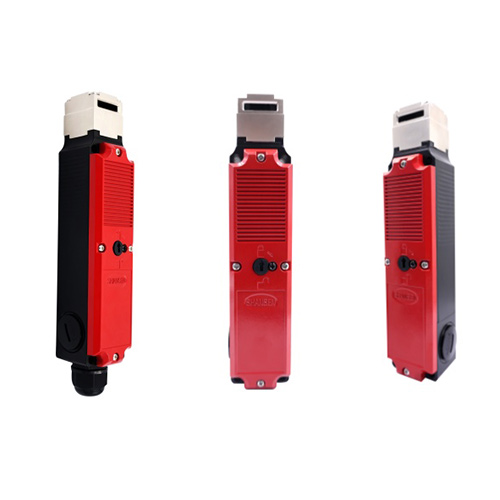
Installing a door safety switch is straightforward but requires careful planning.
Tools and Preparations Needed:
- Screwdrivers and mounting hardware
- Wiring tools and connectors
- Testing equipment for electrical circuits
Step-by-Step Installation:
- Identify the mounting position based on door movement and machine configuration.
- Secure the switch to the door frame or safety guard using screws or brackets.
- Connect the electrical wiring according to the manufacturer’s specifications.
- Test the switch to confirm proper operation, ensuring the machine stops when the door is open.
Common Mistakes to Avoid:
- Incorrect wiring that prevents the switch from detecting the door position
- Mounting the switch in a misaligned location, causing false triggers
- Neglecting routine maintenance, which may reduce switch lifespan
Troubleshooting and Maintenance Tips
Even high-quality door safety switches can experience issues over time. Regular maintenance and troubleshooting help maintain peak performance.
Common Issues:
- Switch not detecting door closure
- Mechanical wear on actuators
- Wiring or connection problems
Testing and Maintenance:
- Conduct monthly inspections to check for mechanical wear
- Test electrical continuity to ensure proper circuit operation
- Replace worn components promptly to avoid safety risks
Door Safety Switch vs Other Safety Devices
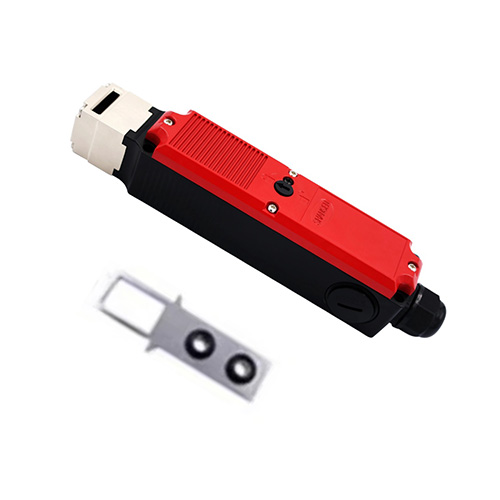
Door safety switches are often compared to other industrial safety devices, such as limit switches. While both monitor machine or door positions, door safety switches are specifically designed for safety-critical applications, ensuring the machinery cannot operate unless conditions are safe.
Magnetic vs Mechanical Devices:
- Magnetic switches offer non-contact detection and longer lifespan
- Mechanical switches provide robust physical detection and reliability in heavy-duty environments
Choosing the right safety device depends on the specific application, environmental conditions, and safety requirements of your facility.
Conclusion
A door safety switch is an essential component for any industrial setting. By selecting the right type and quality, manufacturers can ensure worker safety, reduce downtime, and comply with strict safety regulations. As a trusted manufacturer of door safety switches, we provide solutions tailored to industrial requirements, offering durability, reliability, and advanced safety features.
For manufacturers looking to enhance safety and efficiency, investing in a high-quality door safety switch is not just a choice—it’s a commitment to protecting your workforce and improving operational performance. Contact us today to learn more about our industrial door safety switches and how they can be integrated into your facility.
FAQ
Q1: What is a door safety switch?
A: A door safety switch is a safety device that prevents industrial machines from operating unless safety doors or guards are properly closed, protecting employees and equipment.
Q2: How does a magnetic door safety switch work?
A: A magnetic door safety switch uses a non-contact magnetic field to detect if a door is closed. When the door opens, the switch breaks the circuit, stopping the machine immediately.
Q3: What types of door safety switches are available?
A: Common types include mechanical door safety switches, magnetic door safety switches, key-operated switches, and heavy-duty industrial switches suitable for different safety requirements.
Q4: How do I install a door safety switch?
A: Installation involves mounting the switch in the correct position, connecting it to the machine’s electrical system, and testing to ensure it stops the machine when the door is opened. Always follow the manufacturer’s guidelines.
Q5: Why should I choose a high-quality door safety switch?
A: High-quality door safety switches increase workplace safety, reduce downtime, last longer, and comply with safety standards, making them a reliable investment for any industrial facility.