-
WhatsAPP: +86 18706448138
-
Tengzhou, Shandong, China

Innovative Electrical Solutions for CNC Machines
Innovative Electrical Solutions for CNC Machines

Top Features and Applications of Metal Turning Lathes for Modern Workshops
Explore key features, types, and applications of metal turning lathes. Expert insights for workshops seeking precision and efficiency.
Table of Contents
Introduction
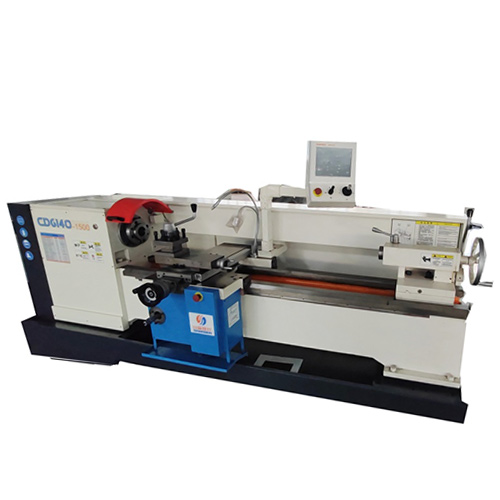
A metal turning lathe is a cornerstone of modern manufacturing, allowing workshops to transform raw metal into precise components. From automotive parts to aerospace prototypes, metal turning lathes provide the accuracy and versatility needed in today’s industrial environment.
As a manufacturer, we design and produce a range of metal turning lathes, including CNC and manual models, to meet different production needs. Modern workshops increasingly rely on these machines not only for their efficiency but also for the high precision they offer. Understanding the technology and applications of metal turning lathes can help workshop owners and engineers make informed purchasing decisions.
Key Components of a Metal Turning Lathe
Every high-quality metal turning lathe consists of several key components that ensure optimal performance:
- Headstock: Houses the main spindle and controls rotational speed.
- Tailstock: Provides support for long workpieces and facilitates drilling operations.
- Bed: The foundation of the lathe, ensuring stability and precision.
- Spindle and Chuck: Critical for holding and rotating workpieces accurately.
- Tool Post: Supports cutting tools and allows precise adjustments.
CNC metal turning lathes often feature advanced digital control systems, while manual lathes rely on operator expertise. The choice between these types depends on the complexity of tasks and production volume.
Types of Metal Turning Lathes
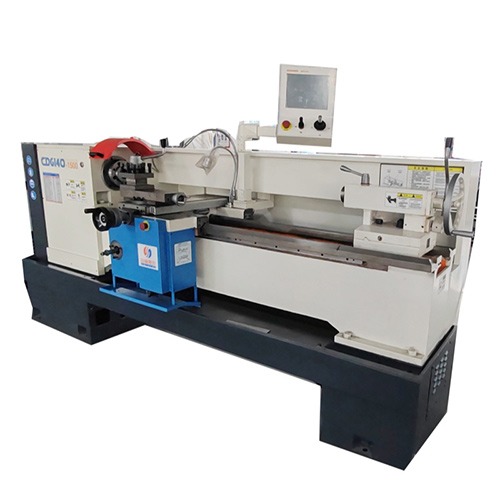
Metal turning lathes come in various types to suit different workshop needs:
- Manual Metal Lathes: Ideal for small workshops and custom projects, offering hands-on control.
- CNC Metal Lathes: Automated and highly precise, suitable for high-volume production and complex components.
- Specialty Lathes: Designed for heavy-duty or specialized tasks, including micro-machining and high-torque applications.
Selecting the right type ensures efficient production while minimizing errors and material waste.
Applications of Metal Lathes
Metal turning lathes are versatile machines with applications across multiple industries:
- Automotive and Aerospace Manufacturing: Precision components such as shafts, gears, and engine parts.
- Custom Industrial Components: Small batches or prototypes requiring exact specifications.
- Small Workshops and Prototype Fabrication: Low-volume, high-accuracy tasks for artisans and engineers.
These applications highlight the importance of high-quality lathe accessories and tooling, which directly impact machining accuracy and overall efficiency.
Precision and Performance Factors
Several factors influence the performance of a metal turning lathe:
- Cutting Speed and Feed Rate: Determines efficiency and surface finish quality.
- High-Torque Capability: Essential for machining large or hard workpieces.
- Tooling and Accessories: Precision chucks, cutting tools, and coolant systems improve results.
| Feature | Importance | Recommended Use |
|---|---|---|
| Spindle Speed | High-speed cutting | Lightweight metal components |
| Feed Rate | Smooth surface finish | Standard industrial parts |
| High-Torque Capability | Handles large/heavy workpieces | Automotive and aerospace applications |
| Tooling Accessories | Enhances precision | All lathe types |
| CNC Control System | Automation and accuracy | High-volume production |
This table can help workshop managers quickly evaluate lathe specifications according to their production requirements.
Choosing the Right Metal Lathe
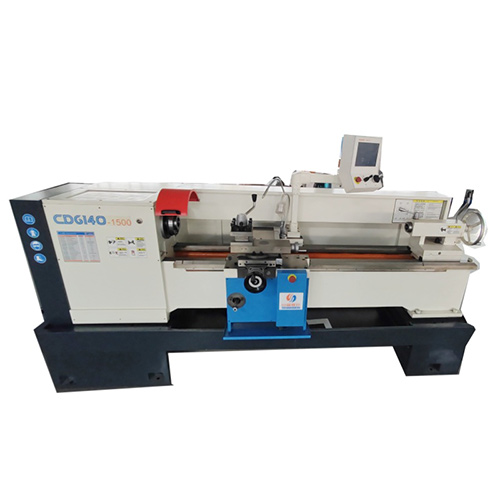
Selecting the ideal metal lathe requires considering:
- Workshop Size and Production Volume: Small workshops may prefer manual lathes, while large operations benefit from CNC automation.
- Manual vs CNC: CNC lathes reduce operator error and improve repeatability.
- Budget and ROI: Investing in high-quality, precision lathes often reduces long-term costs due to fewer errors and less material waste.
As a manufacturer, we provide a range of options to meet diverse production needs, ensuring every lathe delivers reliability and long-term value.
Maintenance and Longevity
Proper maintenance extends the life of metal lathes and ensures consistent performance:
- Lubrication and Coolants: Use manufacturer-recommended oils and cooling systems.
- Regular Inspections: Check alignment, spindle condition, and tool post stability.
- Preventive Care: Replace worn components and maintain lathe accessories to avoid machining errors.
These practices are essential for workshops aiming to maintain high-precision output over years of operation.
Industry Trends and Innovations
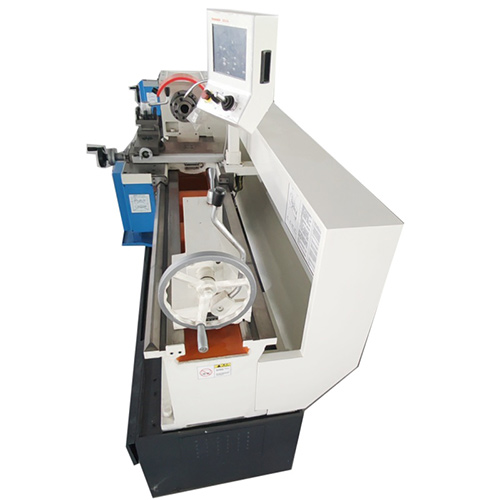
The metal turning lathe industry is evolving rapidly:
- Automation and CNC Integration: Smart lathes allow for precision machining with minimal operator intervention.
- IoT Monitoring: Modern CNC lathes can track performance metrics, enabling predictive maintenance.
- Energy Efficiency: New designs reduce power consumption while maintaining high output.
Staying updated with these trends ensures that workshops remain competitive and efficient.
Conclusion
Metal turning lathes are essential machines for modern workshops, offering unmatched precision and versatility. Understanding their components, types, applications, and performance factors allows workshop managers and engineers to make informed decisions.
As a manufacturer of metal turning lathes, we combine industry expertise with high-quality production to provide machines that meet the demands of modern industrial and small workshop applications. Investing in a reliable, high-precision lathe not only improves productivity but also ensures consistent, professional results for years to come.
FAQ
Q1: What is a metal turning lathe used for?
A: A metal turning lathe is used to shape, cut, and finish metal workpieces with high precision for industrial, automotive, and workshop applications.
Q2: How do I choose the right metal turning lathe for my workshop?
A: Consider your production volume, desired precision, and whether you need a manual or CNC metal turning lathe to match your workflow.
Q3: What maintenance is required for a metal turning lathe?
A: Regular lubrication, alignment checks, and inspection of lathe accessories help maintain accuracy and extend the machine’s lifespan.
Q4: Can a metal lathe handle different metals?
A: Yes, modern metal lathes, especially CNC models, can machine a wide range of metals, including steel, aluminum, and brass.
Q5: What accessories improve the performance of a metal lathe?
A: Precision chucks, cutting tools, tool posts, and digital readouts enhance the efficiency and accuracy of a metal lathe.