-
WhatsAPP: +86 18706448138
-
Tengzhou, Shandong, China

Innovative Electrical Solutions for CNC Machines
Innovative Electrical Solutions for CNC Machines

The Ultimate Guide to Lathe Machine Manufacturing: Features, Uses, and Buyer Considerations
A complete guide to lathe machine types, features, applications, and buying tips from a professional manufacturer. Improve precision and production efficiency.
Table of Contents
A lathe machine remains one of the most essential pieces of equipment in the machining and metalworking industry. Whether used in automotive parts, aerospace components, industrial production, or prototype manufacturing, its ability to produce precise cylindrical shapes and complex geometries makes it indispensable.
As a professional lathe machine manufacturer, we understand that buyers today not only seek reliable equipment but also expect clarity, transparency, and technical insight before investing. This guide brings together everything you need to know about lathe machines—from how they work, to the types available, to buying considerations and maintenance knowledge that help extend machine life.
What Is a Lathe Machine and How Does It Work?
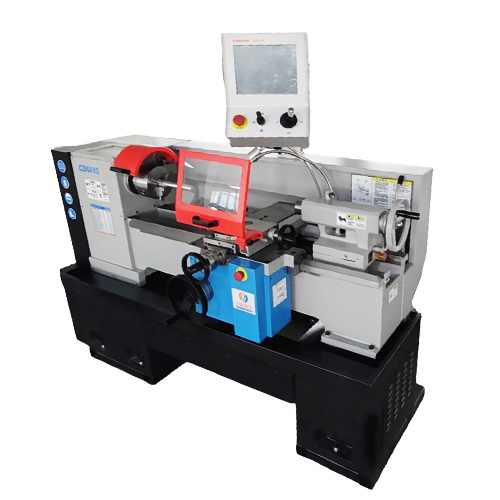
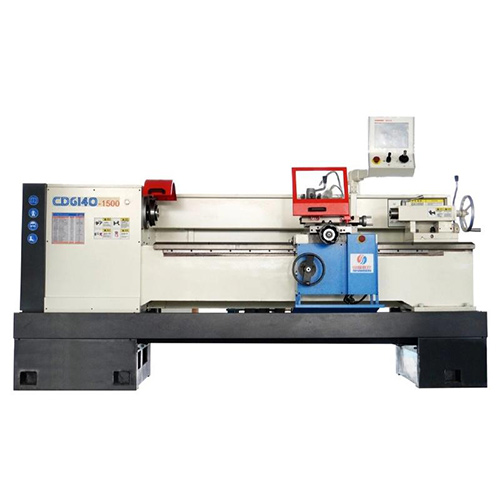
A lathe machine is a machining tool that rotates a workpiece around a fixed axis to perform various operations such as turning, facing, threading, drilling, knurling, and grooving. By controlling spindle speed, feed rate, and cutting tools, the machine shapes materials with high precision.
Basic Working Principle
The machine holds a workpiece between the headstock and tailstock while a cutting tool removes material as the piece rotates. The cutting tool moves along the carriage, allowing the operator to create smooth finishes or defined shapes.
Key Components
- Bed: Supports all major parts
- Spindle: Rotates the workpiece
- Tool Post: Holds the cutting tool
- Carriage: Moves the tool along the workpiece
- Tailstock: Provides support for long pieces
Manual vs CNC Lathe Machines
- Manual lathe machines rely on operator control
- CNC lathe machines execute operations through programmed instructions
CNC systems deliver higher precision, repeatability, and faster production—ideal for industrial mass manufacturing.
Main Types of Lathe Machines Used in Modern Manufacturing
Because manufacturing needs vary widely, different types of lathe machines exist to support workshops, factories, research facilities, and production lines.
Engine Lathe Machine
A universal lathe suitable for general machining work.
CNC Lathe Machine
Designed for automated machining, enhanced precision, and complex part production.
Heavy-Duty Industrial Lathe Machine
Built for machining large metal components, high-torque materials, and long production cycles.
Bench Lathe and Mini Lathe Machine
Compact machines for light-duty work, workshops with limited space, and precision hobby machining.
Precision Metal Lathe
Used for high-tolerance, fine-surface finishing and small-component production.
Core Features That Define a High-Quality Lathe Machine
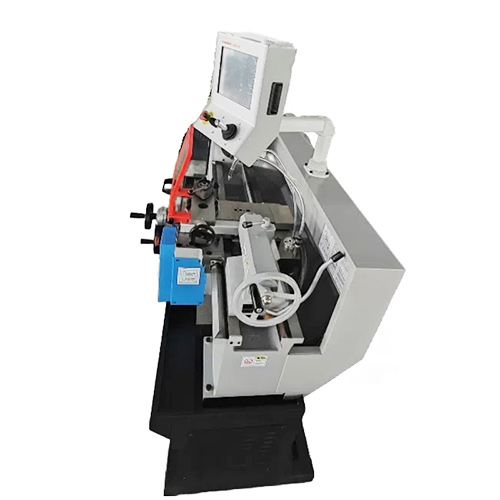
A well-engineered lathe stands out through its performance, durability, and stability. Buyers should pay special attention to the following elements:
Machine Stability and Rigidity
A strong cast-iron bed reduces vibration and ensures accuracy.
Spindle Speed and Accuracy
Higher speed ranges allow flexibility with different materials, from aluminum to stainless steel.
Cutting Efficiency and Tool Compatibility
A good metal lathe machine must support various cutting tools, inserts, and holders.
Automation and Control
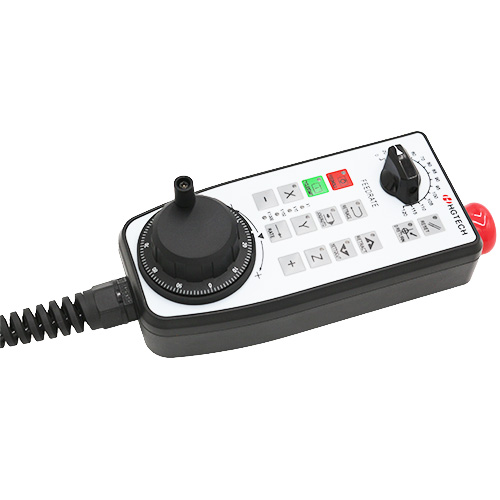
Modern CNC lathe machines incorporate digital control systems, touchscreen interfaces, and memory functions to simplify production.
Applications of Lathe Machines Across Different Industries
Lathe machines play a vital role across multiple industrial sectors:
Metalworking and Machining Workshops
Used for producing shafts, rings, fittings, bushings, bolts, and precision components.
Automotive Industry
Essential for machining engine parts, transmission components, brake cylinders, and custom accessories.
Aerospace Manufacturing
High-precision turning is used for turbine parts, landing gear components, and structural elements.
Custom Prototyping
Ideal for small-batch production and complex prototype shaping.
How to Choose the Right Lathe Machine for Your Production Needs
Selecting the right equipment impacts long-term productivity and production cost. As a manufacturer, here is what we advise buyers to focus on:
Power, Size, and Spindle Capacity
Your material size and volume determine the machine class you need.
Manual vs CNC
For repetitive tasks and tight tolerances, CNC lathe machines are the better investment.
Precision Requirements
Industries like medical parts or aerospace require higher accuracy and advanced control systems.
Budget and Long-Term Value
It is often more cost-effective to invest once in a durable industrial lathe machine than to frequently repair or upgrade low-grade equipment.
Advantages of Working Directly With a Lathe Machine Manufacturer

Purchasing directly from the manufacturer provides multiple long-term benefits:
Customization Options
From spindle speed to bed length, automation packages, and tool systems, machines can be tailored to project requirements.
Stable Supply Chain
Spare parts and machine components are consistently available.
Direct Factory Pricing
Manufacturers offer better cost-performance ratios and OEM/ODM services.
After-Sales Support
Professional technicians provide installation, setup, maintenance training, and troubleshooting.
Lathe Machine Maintenance Guide for Long-Term Performance
Regular maintenance ensures long-lasting accuracy and stable production.
Daily Care
- Lubricate moving parts
- Check spindle and chuck tightness
- Keep rails clean
Preventing Accuracy Loss
Alignment checks, tool sharpening, and vibration reduction help maintain machining precision.
Spindle and Tool System Maintenance
Proper coolant use and cleaning prevent overheating and tool wear.
Common Lathe Machine Problems and Practical Troubleshooting Tips
Even durable machines may face operational issues. Below are common issues and solutions:
| Problem | Possible Cause | Recommended Solution |
|---|---|---|
| Rough surface finish | Incorrect feed or speed | Adjust parameters, use sharper tools |
| Spindle vibration | Misalignment or wear | Re-align spindle, tighten mounting |
| Excessive noise | Bearing issues | Inspect bearings, lubricate or replace |
| Tool wear | Wrong cutting angle or material | Select correct tool, adjust cutting geometry |
These quick diagnostics help maintain continuous production and reduce downtime.
Lathe Machine Market Trends and What Buyers Should Expect
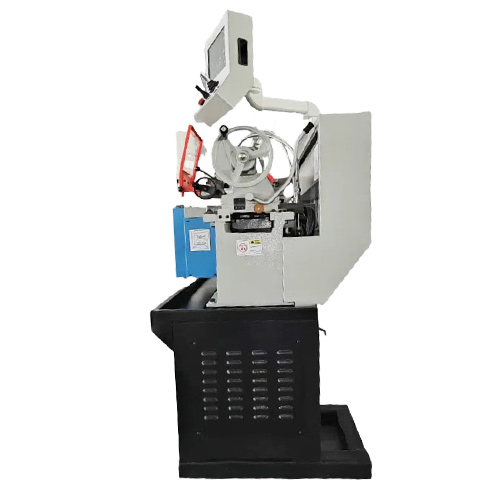
Today’s machining industry is shifting toward smarter, more automated systems. As a manufacturer, we observe:
The Rise of CNC Automation
Factories are quickly transitioning to CNC lathe machines for better efficiency.
Growing Demand for Compact Machines
Mini lathe machines and bench lathes are becoming popular among small workshops and specialized production facilities.
Digital Monitoring
Smart sensors, remote diagnostics, and IoT integration are becoming industry standards.
Conclusion
A lathe machine is more than just a machining tool—it is the backbone of many industrial processes that require precision turning, shaping, and threading. Understanding how a lathe machine works, the types available, the essential features, and what to consider before purchasing allows buyers to make informed decisions that benefit long-term production.
As a dedicated lathe machine manufacturer, we focus on delivering stable performance, precision engineering, durable structures, customizable configurations, and reliable technical support. Whether you require a CNC lathe machine, metal lathe, heavy-duty lathe, precision turning equipment, or a mini lathe for compact operations, choosing the right machine will significantly enhance efficiency and product quality.
If you need tailored recommendations or want solutions designed specifically for your production needs, we are here to help you optimize your machining capabilities.
FAQ
1. What is a lathe machine used for?
A lathe machine is used to shape metal, wood, or plastic by rotating the workpiece against a cutting tool. It is commonly used for turning, facing, drilling, threading, grooving, and creating cylindrical components.
2. What is the difference between a manual lathe and a CNC lathe machine?
A manual lathe requires operator control for cutting operations, while a CNC lathe machine uses programmed instructions to perform precise and repetitive machining automatically, offering higher accuracy and efficiency.
3. How do I choose the right lathe machine for my workshop?
Consider your material type, required precision, production volume, spindle speed range, and workspace size. For high-volume or complex parts, a CNC lathe machine is usually the better choice.
4. What materials can be processed on a lathe machine?
Lathe machines can machine steel, aluminum, brass, copper, plastics, wood, stainless steel, and other alloys. The appropriate cutting tools should be selected based on the material hardness.
5. How often should a lathe machine be maintained?
A lathe machine should undergo daily lubrication checks, weekly cleaning, and periodic alignment inspections. Regular maintenance ensures accuracy, reduces wear, and extends machine lifespan.