-
WhatsAPP: +86 18706448138
-
Tengzhou, Shandong, China

Innovative Electrical Solutions for CNC Machines
Innovative Electrical Solutions for CNC Machines

How to Choose the Right Dust Collector for Shop Efficiency
Learn how to select the best dust collector for shop. Tips on size, type, filters, and maintenance for clean, safe, and efficient workshops.
Table of Contents
Running a workshop or small woodworking space comes with its challenges, and dust management is one of the most critical. Choosing the right dust collector for shop ensures your workspace stays clean, safe, and efficient. Dust can affect not only the health of your employees but also the longevity of your tools. Understanding the different types of shop dust collectors, their capacities, and how they fit into your workflow is essential for any workshop owner or hobbyist.
Introduction
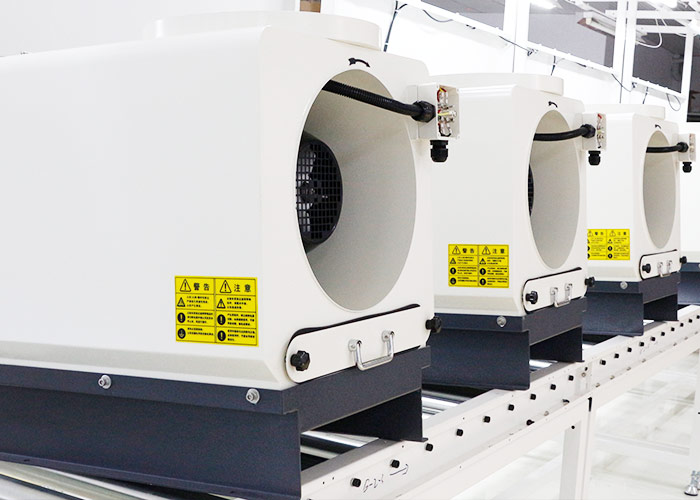
There are several types of dust collector for shop systems, each suited to specific applications. Single-stage collectors are compact and ideal for small shops, capturing dust directly through the filter. Cyclone-style shop dust collectors separate large debris before it reaches the filter, making them more efficient for workshops with high dust output. Choosing the right type ensures your shop dust collector meets the demands of your equipment while maintaining optimal air quality.
Determining the Right Size for Your Shop
A properly sized dust collector for shop is crucial. Small workshops typically require a collector with 500–1,000 CFM, while medium or larger shops benefit from 1,500–3,000 CFM or higher. Consider the number of machines, their airflow requirements, and your typical projects. A shop dust collector that is too small will struggle to capture dust effectively, while an oversized unit may waste energy and space.
Portability and Installation Considerations
Many workshops benefit from a portable dust collector for shop, which allows flexibility in positioning. Portable units are perfect for temporary setups or small spaces, although they often provide lower airflow than stationary models. Fixed shop dust collectors are better for consistent high-volume dust capture but require dedicated space and proper ducting. Understanding your workshop layout and mobility needs will help you select the ideal dust collector for shop.
Filter Types and Maintenance
The filter is the heart of any dust collector for shop system. Options include pleated filters, cartridge filters, and bag filters. Each type has different maintenance requirements and efficiency levels. Pleated filters often capture finer dust but may need more frequent cleaning. Cartridge filters are easy to replace and offer high airflow efficiency, while bag filters are durable and suitable for coarser debris. Regular maintenance ensures your shop dust collector continues to perform at peak efficiency and reduces fire hazards.
Safety and Health Benefits
Using a dust collector for shop is not just about cleanliness—it is a crucial safety measure. Fine dust can create respiratory problems, while larger particles increase fire risk. By keeping your shop clean with an effective dust collector, you protect your employees and extend the life of your equipment. Data from industrial hygiene studies shows that consistent dust collection significantly reduces airborne particulate levels in workshops, improving overall safety.
Energy Efficiency and Cost Considerations
When choosing a dust collector for shop, consider energy consumption. Larger units may require more power, but they often work more efficiently by reducing run times. Some modern shop dust collectors include variable speed motors, allowing you to adjust airflow according to need. Balancing upfront cost with long-term efficiency ensures your shop dust collector is both economical and effective.
Energy Efficiency and Cost Considerations
When choosing a dust collector for shop, consider energy consumption. Larger units may require more power, but they often work more efficiently by reducing run times. Some modern shop dust collectors include variable speed motors, allowing you to adjust airflow according to need. Balancing upfront cost with long-term efficiency ensures your shop dust collector is both economical and effective.
Comparing Dust Collector Options
Different dust collection methods provide varying efficiency and suitability for shop use. The table below summarizes key differences to help you decide:
| Dust Collection Method | Efficiency | Typical Use | Maintenance |
|---|---|---|---|
| Single-Stage Collector | Medium | Small shops | Medium |
| Cyclone Collector | High | Large workshops | Medium |
| Portable Collector | Medium | Flexible workspace | Low |
| Bag Filter System | High | Fine dust-heavy workshops | Medium |
This comparison highlights how different shop dust collectors perform, their ideal applications, and maintenance needs, helping you make a more informed choice for your workshop.
Installation Tips for Maximum Efficiency
To get the most out of your dust collector for shop, proper installation is key. Position the collector centrally or near the dustiest machines. Minimize duct lengths and bends to maintain airflow. Ensure that all tools are connected to the collector whenever in use. A well-installed shop dust collector captures dust at the source, improving air quality and reducing cleanup time.
Maintenance Best Practices
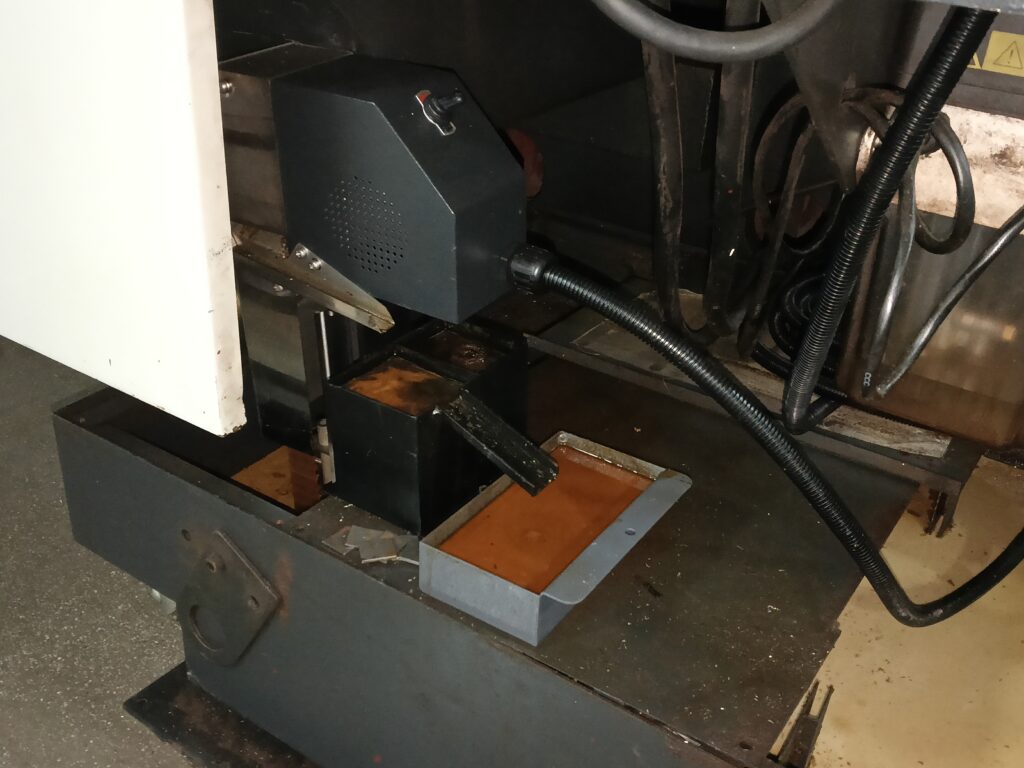
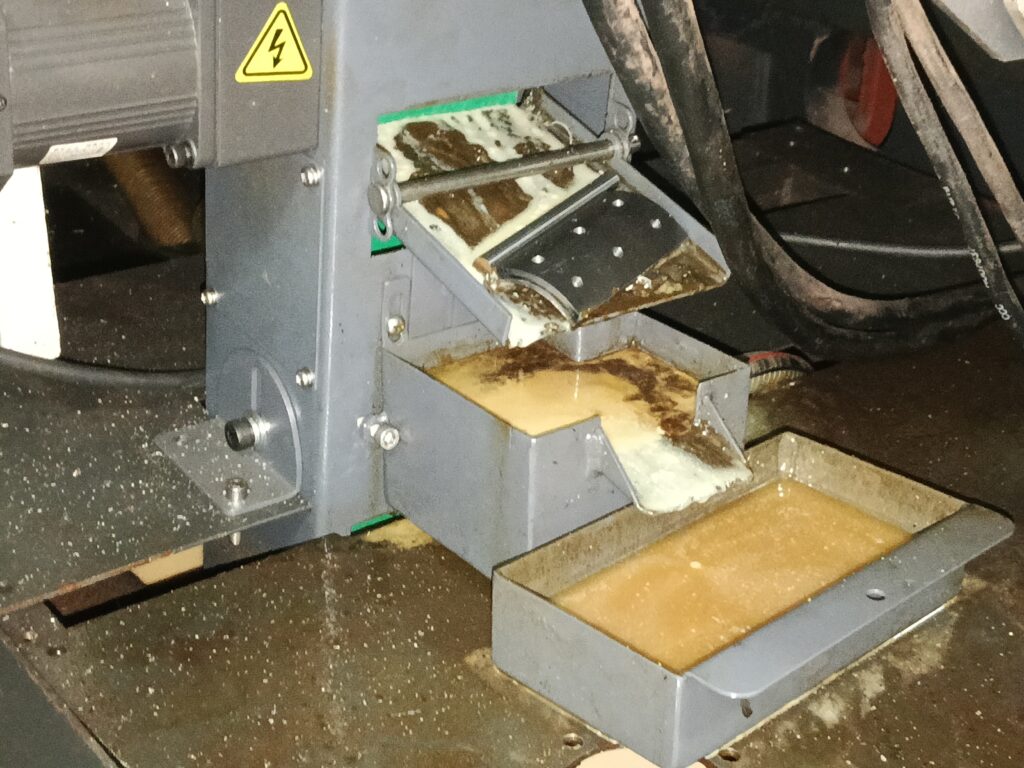
Regular upkeep of your dust collector for shop guarantees long-term performance. Check and clean filters as recommended, inspect hoses and connections for leaks, and empty collection bins before they reach capacity. Scheduled maintenance extends the life of your shop dust collector and keeps your workshop safe and productive.
Conclusion
Investing in a reliable dust collector for shop is essential for any workspace that produces dust. From small workshops to larger hobbyist spaces, selecting the right type, size, and filter system ensures a cleaner, safer, and more efficient environment. By understanding your specific needs, maintaining the unit properly, and using it consistently, your shop dust collector will pay for itself in improved safety, health, and productivity.
FAQ
What size dust collector for shop do I need?
For small workshops, a dust collector for shop with 500–1,000 CFM works well. Medium or larger shops should consider a dust collector for shop with 1,500–3,000 CFM for optimal performance.
How often should I clean or replace the dust collector filter?
Filters should be inspected regularly and cleaned or replaced every few months, depending on usage and dust type in your shop dust collector.
Are portable dust collectors effective for workshops?
Yes, portable dust collectors for shop provide flexibility for multiple workstations, though they often have lower airflow than stationary units.
Can a dust collector for shop reduce fire hazards?
Absolutely. Capturing dust before it accumulates lowers fire risk, making a shop dust collector a critical safety component.
What is the difference between single-stage and cyclone dust collectors?
Single-stage units draw dust directly into a filter, suitable for small shops. Cyclone collectors separate larger particles first, increasing efficiency and extending filter life.
Need Help Choosing the Right Dust Collector for Your Shop?
If you’re unsure which dust collector for shop is best for your workspace, our experts are here to help. Contact us today for a personalized consultation, and ensure your shop stays clean, safe, and efficient. Don’t wait until dust becomes a hazard—get in touch now to protect your tools, employees, and workspace!