-
WhatsAPP: +86 18706448138
-
Tengzhou, Shandong, China

Innovative Electrical Solutions for CNC Machines
Innovative Electrical Solutions for CNC Machines

The Ultimate Guide to Manual Pulse Generators for CNC and Industrial Applications
Learn how manual pulse generators enhance CNC precision, key features to choose, maintenance tips, and top applications for industrial automation.
Table of Contents
Manual pulse generators are essential tools in precision machining and industrial automation. As a leading manufacturer of high-quality manual pulse generators, we aim to provide our clients with reliable, durable, and precise devices that improve operational efficiency. This guide covers everything you need to know about manual pulse generators, including how they work, key features, applications, maintenance tips, and how to choose the right model for your needs.
What is a Manual Pulse Generator and How It Works
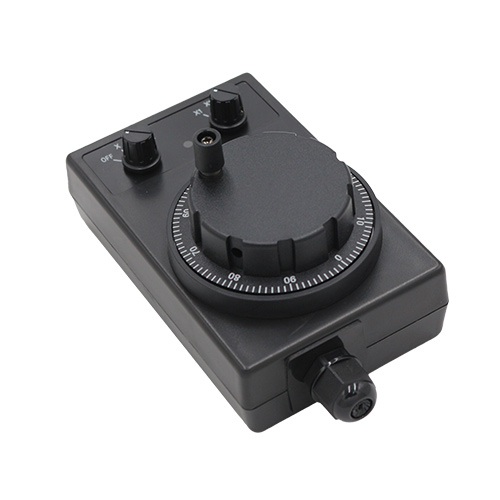
A manual pulse generator, also known as a handwheel or MPG, is a device that generates electrical pulses when the operator rotates its knob or handle. These pulses are sent to CNC machines, robots, or other automation systems, allowing precise manual control over movement along specific axes.
The basic components of a manual pulse generator include:
- Knob or handle – rotated by the operator to generate pulses.
- Encoder or pulse output mechanism – converts mechanical rotation into electrical signals.
- Mounting base and connector – ensures secure integration with machinery.
Manual pulse generators allow operators to make incremental adjustments with high accuracy, often measured in pulses per revolution (PPR). This precise control makes them indispensable in industries that require exact positioning.
Advantages of Manual Pulse Generators in Precision Machining
Manual pulse generators offer several advantages compared to digital or fully electronic alternatives:
- Enhanced Accuracy: They provide fine incremental control, which improves machining precision.
- Ergonomic Design: Comfortable handles and knobs reduce operator fatigue during long shifts.
- Durability: Mechanical construction with high-quality materials ensures long-lasting performance.
- Versatility: Compatible with a wide range of CNC machines, milling machines, and lab equipment.
Using a reliable manual pulse generator can significantly improve repeatability, making it easier to achieve consistent results in production and prototyping.
Key Features to Consider When Choosing a Manual Pulse Generator
When selecting a manual pulse generator, consider the following features:
| Feature | Description | Importance |
|---|---|---|
| Resolution (PPR) | Number of pulses per revolution, e.g., 1000 PPR | Higher PPR ensures finer movement control |
| Voltage | Compatible voltage range for CNC or automation systems | Prevents electrical mismatch and damage |
| IP Rating | Protection against dust and water (e.g., IP65) | Essential for industrial environments |
| Size & Ergonomics | Compact design and comfortable handle | Improves operator efficiency in limited workspace |
| Connector Type | Standardized output for easy integration | Reduces installation complexity |
| Material Quality | High-quality metal or reinforced plastic | Ensures long-term durability |
High-resolution, compact, and ergonomically designed manual pulse generators are ideal for both professional workshops and industrial applications.
Applications of Manual Pulse Generators Across Industries
Manual pulse generators are widely used in various sectors:
- CNC Milling and Turning: Fine control over axis movement allows precise machining and cutting.
- Robotics and Automation: Operators can manually override automated systems for calibration or adjustment.
- Electronics Manufacturing: Ensures accurate placement of components in lab-scale production.
- Retrofit CNC Machines: Ideal for upgrading older machines with modern pulse control.
Their adaptability makes them suitable for small-scale labs, large manufacturing plants, and everything in between.
How to Properly Use and Maintain Your Manual Pulse Generator
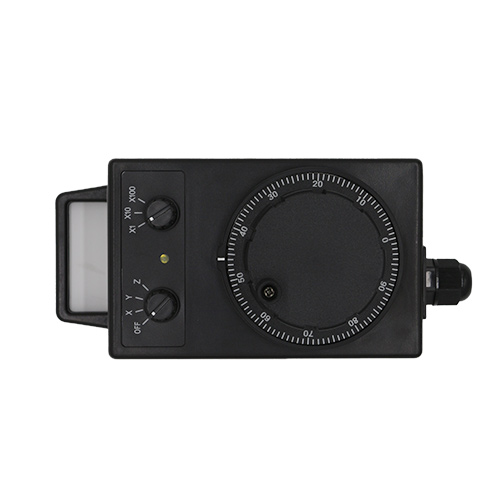
Proper usage and maintenance extend the lifespan of your manual pulse generator and ensure consistent accuracy:
- Installation: Securely mount the device on a stable surface and connect it to the compatible CNC system.
- Operation: Rotate the handle smoothly; avoid excessive force to maintain accuracy.
- Maintenance: Regularly clean dust or debris, lubricate moving parts, and check electrical connections.
- Calibration: Periodically verify pulse output and adjust the system if necessary.
Following these practices ensures that your manual pulse generator remains reliable for years of operation.
Troubleshooting Common Issues in Manual Pulse Generators
Even high-quality manual pulse generators may occasionally encounter issues. Common problems include:
- Pulse Signal Inconsistencies: Check encoder alignment and electrical connections.
- Mechanical Wear: Inspect the knob, handle, and mounting for signs of damage.
- Electrical Issues: Ensure connectors are secure and voltage matches the machine specifications.
Addressing these issues promptly prevents downtime and maintains machine precision.
Comparing Manual Pulse Generators with Digital and Electronic Alternatives
While digital and electronic pulse generators offer automated control and advanced features, manual pulse generators remain preferred in certain scenarios:
- Precision: Manual generators allow exact incremental movement controlled by the operator.
- Durability: Mechanical design is less prone to electrical failure.
- Cost: Manual pulse generators are more affordable while providing long-term reliability.
For retrofitting older CNC machines or for applications requiring fine manual adjustments, manual pulse generators are often the superior choice.
Where to Buy High-Quality Manual Pulse Generators
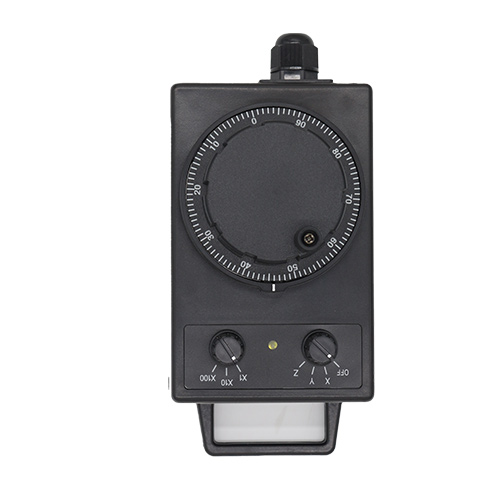
As a manufacturer of manual pulse generators, we ensure that our products meet rigorous quality standards:
- Direct from Manufacturer: Guarantees authenticity, support, and quality control.
- Check Specifications: Ensure resolution, voltage, IP rating, and compatibility meet your needs.
- Authorized Suppliers: Purchase from reputable distributors to avoid counterfeit products.
Investing in a high-quality manual pulse generator reduces downtime, improves CNC performance, and ensures accurate machining results.
Conclusion
Manual pulse generators are a vital component in precision machining, robotics, and industrial automation. By understanding their working principle, key features, applications, and maintenance requirements, operators and engineers can maximize their performance. Choosing high-quality manual pulse generators from a trusted manufacturer ensures reliability, durability, and accuracy for all your CNC and industrial operations. Whether upgrading a retrofit machine or equipping a modern workshop, investing in a precise manual pulse generator is a step toward more efficient and accurate manufacturing.
FAQ
Q1: What is a manual pulse generator used for?
A: A manual pulse generator allows precise manual control of CNC machines, robots, and other automated equipment by sending incremental electrical pulses to control movement.
Q2: How do I choose the right manual pulse generator?
A: Consider key features such as resolution (PPR), voltage compatibility, IP rating, ergonomic design, and connector type to ensure it fits your CNC or industrial system.
Q3: How do I maintain a manual pulse generator?
A: Regularly clean the device, check connections, lubricate moving parts, and perform periodic calibration to maintain accuracy and extend lifespan.
Q4: Can manual pulse generators improve CNC machine accuracy?
A: Yes, by providing precise incremental control, manual pulse generators help operators achieve high-precision machining and consistent repeatability.
Q5: What is the difference between manual and digital pulse generators?
A: Manual pulse generators are mechanical, cost-effective, and ideal for fine manual adjustments, while digital pulse generators offer automated control and advanced features but may be more complex and expensive.