-
WhatsAPP: +86 18706448138
-
Tengzhou, Shandong, China

Innovative Electrical Solutions for CNC Machines
Innovative Electrical Solutions for CNC Machines

How a High Frequency Pulse Generator Works: Complete Guide
Learn how a high frequency pulse generator works, its applications, design tips, and calibration methods for lab and industrial use.
Table of Contents
Introduction
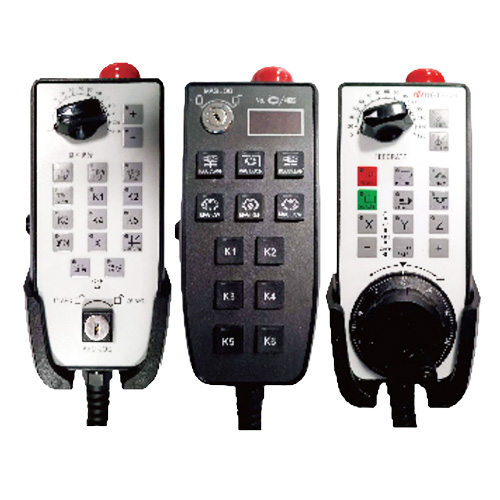
High frequency pulse generators are essential tools in modern electronics, providing precise, repeatable pulses for a wide range of applications. As a manufacturer, we understand the critical role these devices play in laboratories, industrial automation, and scientific research. These generators enable engineers and technicians to test circuits, simulate real-world signals, and support high-speed data acquisition systems.
Understanding what a high frequency pulse generator is and why it matters is crucial. These devices differ from traditional low-frequency generators by offering higher repetition rates, greater signal stability, and precise control over pulse characteristics. For manufacturers and end-users alike, investing in a reliable high frequency pulse generator can significantly enhance testing efficiency and product quality.
Key Components and Working Principle
A high frequency pulse generator consists of several core components, including an oscillator, pulse shaping circuit, amplifier, and output stage. The oscillator determines the repetition rate of the pulses, while the shaping circuit ensures clean edges and precise amplitude. Amplifiers increase the signal to the required voltage levels, and the output stage delivers the pulse to the connected equipment.
The working principle revolves around creating periodic electrical pulses with precise control over width, frequency, and amplitude. Modern generators often include adjustable frequency, allowing users to fine-tune the output for specific applications. Well-designed circuit layouts and high-quality components are essential for achieving low noise and high stability, particularly in industrial and laboratory environments.
Types of High Frequency Pulse Generators
High frequency pulse generators are available in various types, catering to different needs:
- Laboratory Generators: Designed for precision and versatility, suitable for research and development.
- Industrial Generators: Built for durability and high-load applications, often with high voltage output.
- Adjustable Frequency Models: Offer fine control over repetition rate and pulse width for advanced testing.
- Fixed Frequency Models: Ideal for standardized processes where pulse characteristics remain constant.
Each type serves unique requirements, and selecting the appropriate model depends on the specific application, whether it’s for electronics development, industrial testing, or medical instrumentation.
Applications Across Industries
High frequency pulse generators are widely used across multiple industries:
- Industrial Automation: Pulse generators test sensors, actuators, and control systems, ensuring operational reliability.
- Medical and Scientific Instrumentation: Used in imaging equipment, electrophysiology, and signal simulation for research purposes.
- Electronics Development: Engineers use these generators to simulate high-speed signals for circuit testing and component evaluation.
The versatility of these devices makes them indispensable for engineers, researchers, and manufacturers who require precision and consistency in testing.
Design Considerations for Manufacturers
For manufacturers, producing high frequency pulse generators requires careful attention to design:
- Component Selection: Quality resistors, capacitors, and semiconductors impact stability and reliability.
- PCB Layout: Proper grounding, trace width, and thermal management minimize noise and ensure long-term performance.
- Frequency Control Features: Adjustable frequency and modulation options enhance versatility, allowing end-users to adapt the generator to various tasks.
Well-designed generators not only meet performance requirements but also provide a competitive edge in the market.
Troubleshooting and Maintenance
Even the best generators may encounter issues. Common problems include unstable output, distorted pulses, and thermal drift. Regular maintenance and proper troubleshooting are essential:
- Check for loose connections or damaged components.
- Verify calibration settings and frequency accuracy.
- Monitor temperature and ensure adequate cooling.
Preventive maintenance, such as regular calibration and inspection of internal circuits, extends the generator’s lifespan and ensures consistent performance.
Calibration and Accuracy Optimization
Calibration is critical for maintaining the precision of high frequency pulse generators. Accurate output ensures reliable testing results and protects sensitive equipment. Recommended practices include:
- Using reference instruments to verify output parameters.
- Adjusting pulse width and amplitude based on application requirements.
- Ensuring stable environmental conditions to prevent signal drift.
Proper calibration allows generators to perform reliably in both laboratory and industrial environments, meeting stringent performance standards.
Comparing High Frequency Pulse Generators
When selecting a generator, understanding the differences between models is essential. The table below highlights key considerations:
| Feature | Laboratory Generator | Industrial Generator | Adjustable Frequency Model |
|---|---|---|---|
| Output Voltage | Low to Medium | Medium to High | Medium to High |
| Frequency Range | Wide | Moderate | Wide |
| Noise Level | Very Low | Low | Very Low |
| Durability | Moderate | High | High |
| Best Use | R&D, Testing | Industrial Production | Flexible Applications |
Comparing features such as voltage range, frequency control, and durability helps engineers and manufacturers choose the generator that best fits their operational needs.
Future Trends and Innovations
The high frequency pulse generator market continues to evolve, driven by technological advancements:
- Integration with IoT: Smart generators can be remotely monitored and controlled for real-time applications.
- Enhanced Modulation Capabilities: More complex pulse patterns allow simulation of real-world signals.
- Compact and Portable Designs: Easier deployment in field applications without sacrificing performance.
Manufacturers who stay ahead of these trends can deliver innovative products that meet the growing demands of research, industry, and medical applications.
Conclusion
High frequency pulse generators are critical instruments for precision testing, research, and industrial applications. As a manufacturer, our expertise ensures that every generator delivers reliable performance, adjustable frequency options, and robust design for long-term use. By understanding the working principles, applications, and calibration practices, engineers and technicians can maximize the value of these devices. Investing in a high quality high frequency pulse generator ensures accuracy, efficiency, and confidence across a wide range of professional applications.
FAQ
Q1: What is a high frequency pulse generator?
A high frequency pulse generator is an electronic device that produces rapid, precise electrical pulses for testing, measurement, and industrial applications.
Q2: What are the main applications of a high frequency pulse generator?
It is widely used in laboratories, industrial automation, electronics development, and medical equipment testing.
Q3: How does a high frequency pulse generator work?
It generates periodic electrical pulses using oscillators, pulse shaping circuits, and amplifiers, allowing control over frequency, amplitude, and pulse width.
Q4: What should I consider when choosing a high frequency pulse generator?
Key factors include frequency range, output voltage, adjustable frequency options, noise level, and durability for industrial or lab use.
Q5: How do I maintain and calibrate a high frequency pulse generator?
Regular calibration with reference instruments, monitoring environmental conditions, and preventive maintenance ensure accurate and stable performance.