-
WhatsAPP: +86 18706448138
-
Tengzhou, Shandong, China

Innovative Electrical Solutions for CNC Machines
Innovative Electrical Solutions for CNC Machines

Flexible Flat Cable: Selection, Applications, and Maintenance
Learn how to choose the right flexible flat cable for electronics, robotics, and industrial systems. Tips on types, features, and maintenance.
Table of Contents
A flexible flat cable (FFC) is a specialized type of electrical cable designed to be flat, thin, and flexible. It’s widely used in electronics, robotics, and industrial systems where space constraints and flexible routing are critical. Understanding the types, features, and proper maintenance of FFC cables is essential for ensuring reliable performance in your devices and equipment.
Introduction

A FFC cable consists of multiple flat conductors arranged parallel to each other, encased in a thin insulating material. Its design allows for easy bending and folding without damaging the conductors. According to electronics manufacturing reports, FFCs are commonly used in laptops, printers, robotics, and industrial machinery where compact connections are required.
Types of Flexible Flat Cables
Flexible flat cables come in several variations depending on pitch, number of conductors, and materials:
- Standard FFC: General-purpose cables for signal and power transmission
- High-flex FFC: Designed for repeated bending and motion, ideal for robotics
- Shielded FFC: Contains a layer of shielding to reduce electromagnetic interference
- Custom-length FFC: Tailored for specific device requirements
Choosing the right type depends on the application, flexibility needs, and electrical specifications.
Key Features to Consider
When selecting a flexible flat cable, consider the following factors:
- Conductor material: Copper is most common for conductivity and durability
- Pitch: The distance between conductors affects compatibility with connectors
- Bend radius: Determines how tightly the cable can be folded or bent
- Current and voltage rating: Ensures the cable can safely handle the required power
These features ensure your cable meets both electrical and mechanical requirements for long-term performance.
Common Applications
Flexible flat cables are used across multiple industries:
- Consumer electronics: Laptops, printers, monitors, and cameras
- Industrial automation: Robotics, conveyor systems, and factory equipment
- Medical devices: Imaging systems, diagnostic equipment, and patient monitoring
- Automotive electronics: Infotainment systems, sensors, and control units
Their compact design allows them to fit into tight spaces while maintaining reliable connections.
Flexible Flat Cable Comparison Table
| Type | Number of Conductors | Pitch (mm) | Typical Use | Flexibility |
|---|---|---|---|---|
| Standard FFC | 10–50 | 0.5–1.0 | General electronics | Medium |
| High-flex FFC | 20–60 | 0.5–1.0 | Robotics, moving parts | High |
| Shielded FFC | 10–40 | 0.5–1.0 | EMI-sensitive devices | Medium |
| Custom FFC | 5–100 | Variable | Specialized applications | Variable |
This table helps you quickly compare types of flexible flat cables based on conductor count, pitch, use cases, and flexibility.
Maintenance and Handling
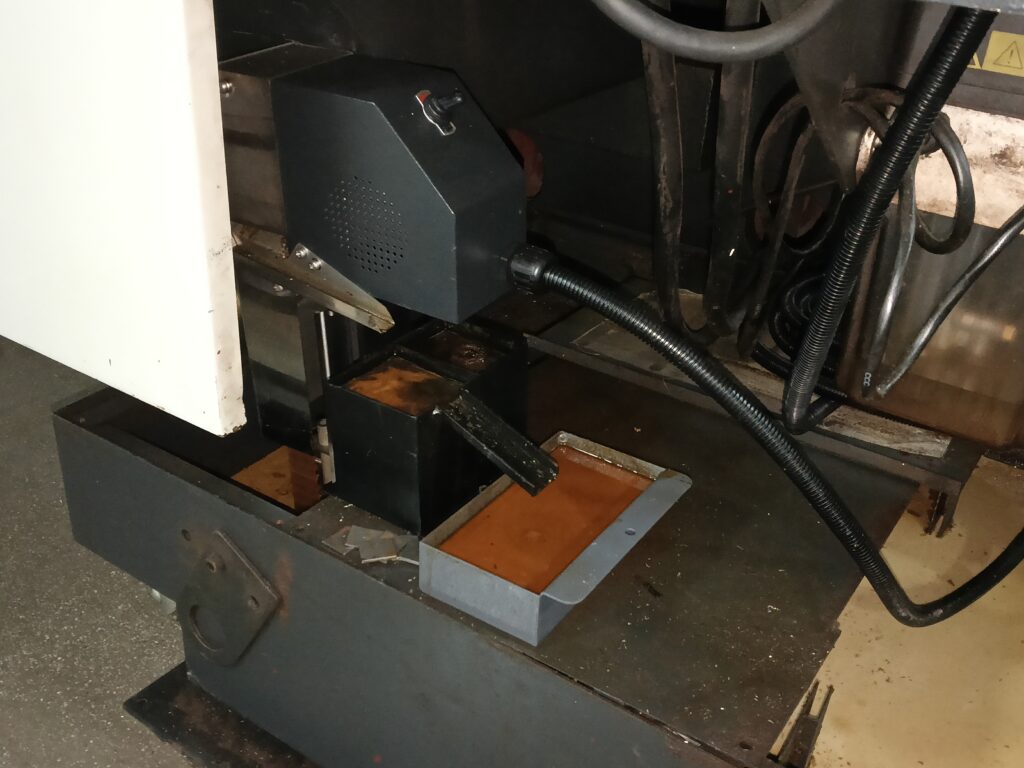

Proper handling is crucial for FFC longevity:
- Avoid excessive bending or twisting beyond specified bend radius
- Keep cables clean and free from debris
- Ensure connectors are aligned properly before insertion
- Store cables flat to prevent kinking or damage
Following these steps reduces the risk of connection failures and extends cable life.
Conclusion
Flexible flat cables are vital for modern electronics and industrial systems, offering compact, reliable, and flexible connections. Understanding their types, features, applications, and maintenance ensures you select the right cable for your project. Proper handling and routine inspection help maintain performance, reduce downtime, and protect your equipment investment.
FAQ
What is a flexible flat cable?
A flat, flexible electrical cable with parallel conductors used for compact and reliable connections in electronics and industrial systems.
Can flexible flat cables handle motion?
Yes, high-flex FFCs are designed for repeated bending and motion, ideal for robotics and moving parts.
How do I choose the right pitch for an FFC?
Check the connector or device specifications; pitch is the distance between conductors and must match the mating connector.
Are shielded flexible flat cables necessary?
Shielded FFCs are recommended when electromagnetic interference (EMI) could affect signal integrity.
How should I maintain a flexible flat cable?
Avoid sharp bends, keep it clean, properly align connectors, and store flat to prevent kinking or damage.
Need Help Selecting the Right Flexible Flat Cable?
If you’re unsure which FFC is best for your project, our experts are here to guide you. Contact us today for a personalized consultation, and ensure your electronics or industrial systems operate safely and reliably. Don’t wait—protect your equipment and optimize performance now!