-
WhatsAPP: +86 18706448138
-
Tengzhou, Shandong, China

Innovative Electrical Solutions for CNC Machines
Innovative Electrical Solutions for CNC Machines

Dust Collector Machine: Selection, Features, and Maintenance
Learn how to choose the right dust collector machine for workshops and industrial use. Tips on types, airflow, filters, and maintenance.
Table of Contents
A dust removal machine is an essential device for maintaining clean and safe working environments in workshops, factories, and industrial facilities. By capturing dust particles at their source, these machines protect both equipment and personnel from health hazards, equipment wear, and fire risks. Understanding the types, features, and proper maintenance of dust collector machines ensures optimal performance and long-term efficiency.
Introduction
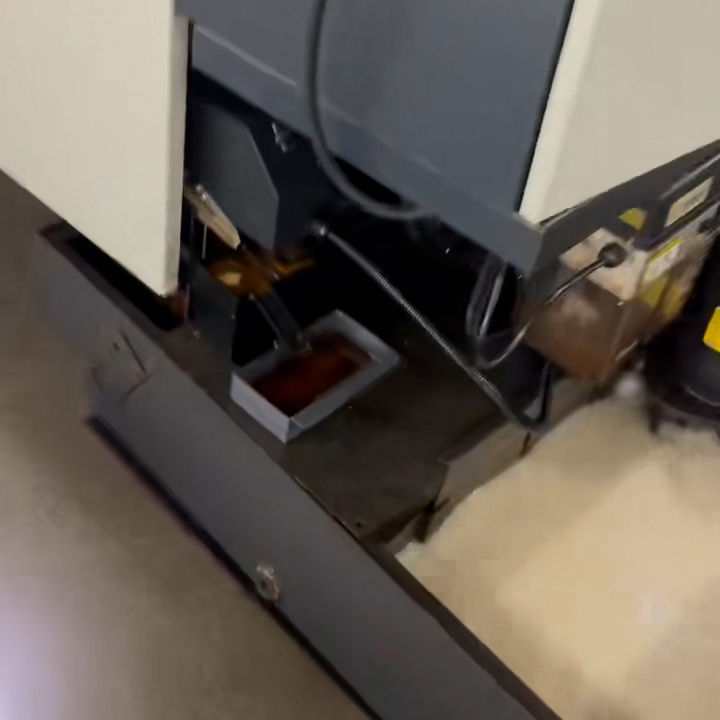
A dust collector machine is a mechanical system designed to remove dust, debris, and airborne particles generated during manufacturing, woodworking, or metalworking processes. According to industrial safety reports, dust exposure can lead to respiratory issues, equipment malfunctions, and increased fire hazards, making dust collector machines a critical investment for safe operations.
Types of Dust Collector Machines
Dust collector machines come in multiple configurations depending on capacity, application, and space requirements:
- Single-stage dust collectors: Draw dust directly into a filter bag or cartridge; ideal for small workshops.
- Cyclone dust collectors: Use centrifugal force to separate large dust particles before filtration; suitable for heavy-duty operations.
- Portable dust collectors: Compact units for flexible placement in small shops or temporary setups.
- Centralized dust collection systems: Large-scale setups serving multiple tools or machines across a facility.
Choosing the right type depends on the size of your workspace, dust volume, and specific operational needs.
Key Features to Consider
When selecting a dust removal machine, consider the following factors:
- Airflow capacity (CFM): Determines how much dust the machine can move per minute.
- Filter type: Cartridge filters, bag filters, or HEPA filters affect efficiency and maintenance frequency.
- Motor power: Ensures sufficient suction for your specific tools or machinery.
- Noise level: Important for operator comfort and safety compliance.
- Portability: Wheels or compact design for small shops versus stationary systems for large facilities.
These features ensure the dust collector machine meets both operational and safety requirements.
Common Applications
Dust collector machines are used in various industries and setups:
- Woodworking shops: To capture sawdust, sanding residue, and wood particles.
- Metalworking: To collect grinding dust, welding fumes, and metal shavings.
- Plastic and composite manufacturing: To manage fine powders and debris.
- Industrial facilities: To maintain clean air, prevent dust accumulation, and comply with safety regulations.
Proper dust control improves air quality, reduces maintenance costs, and protects worker health.
Dust Collector Machine Comparison Table
| Type | Typical CFM | Filter Type | Best Use | Portability |
|---|---|---|---|---|
| Single-stage | 500–1,500 | Bag/Cartridge | Small shops | Medium |
| Cyclone | 1,500–5,000 | Cartridge | Heavy dust loads | Low |
| Portable | 500–1,000 | Bag | Flexible setups | High |
| Centralized | 3,000–10,000 | HEPA/Cartridge | Multi-machine systems | Low |
This table helps you compare different dust collector machines based on airflow, filter type, typical applications, and portability.
Maintenance and Handling
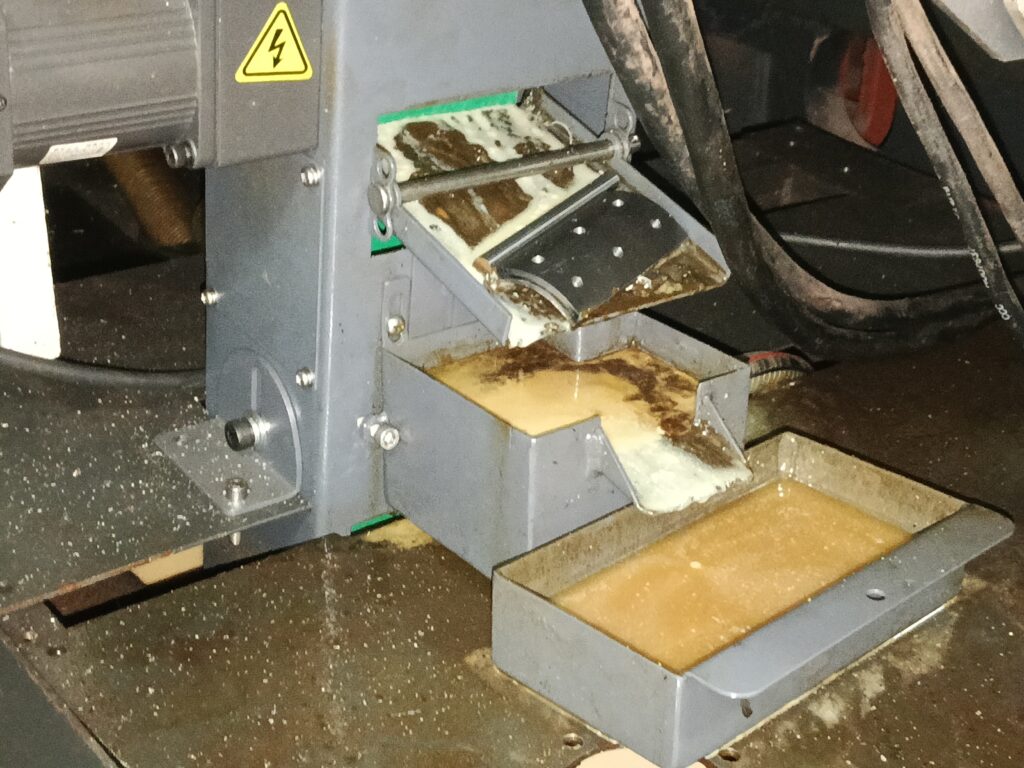
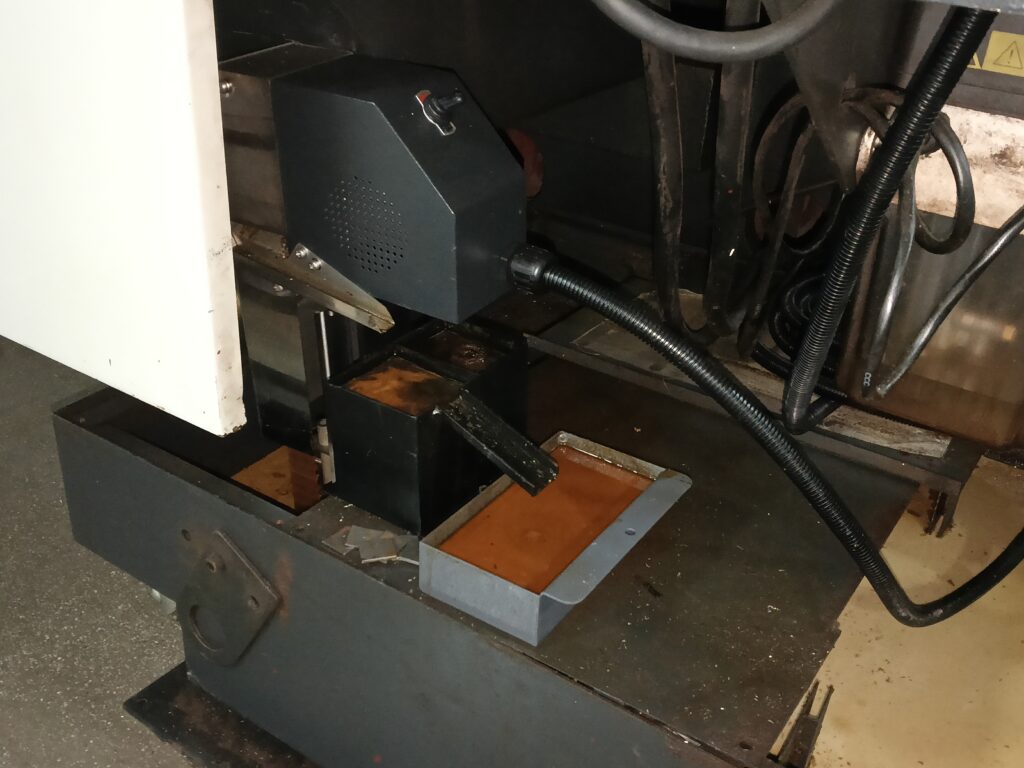
Proper handling is crucial for long-term performance:
- Clean or replace filters regularly according to manufacturer recommendations.
- Inspect hoses, ducts, and seals for leaks or damage.
- Empty collection bins before they become overfilled to maintain suction efficiency.
- Avoid overloading the machine with oversized debris.
- Follow safety protocols when cleaning to prevent dust exposure.
Routine maintenance ensures your dust collector machine operates efficiently and safely.
Conclusion
A dust collector machine is a vital component of any workshop or industrial setup, ensuring cleaner air, safer working conditions, and enhanced equipment longevity. By understanding the different types, key features, applications, and maintenance practices, you can select the right machine for your specific needs. Regular upkeep and proper handling maximize efficiency, protect health, and maintain regulatory compliance.
FAQ
What is a dust collector machine?
A dust collector machine is a system designed to capture dust and debris generated by industrial, woodworking, or manufacturing processes.
How do I choose the right size?
Select based on airflow capacity (CFM) and the dust volume generated by your tools or machines. Small shops typically need 500–1,500 CFM.
Are portable dust collectors effective?
Yes, portable machines are ideal for small or flexible workspaces but may have lower suction than stationary systems.
Can a dust collector machine reduce fire risks?
Absolutely. By capturing combustible dust, these machines lower the chances of sparks igniting a fire.
How often should I replace filters?
Filters should be inspected and cleaned or replaced according to manufacturer guidelines, usually every few months for light use.
Need Help Choosing the Right Dust Collector Machine?
If you’re unsure which machine is best for your shop or facility, our experts are here to help. Contact us today for a personalized consultation, and ensure your workspace stays clean, safe, and compliant. Don’t wait—optimize your operations and protect your team now!