-
WhatsAPP: +86 18706448138
-
Tengzhou, Shandong, China

Innovative Electrical Solutions for CNC Machines
Innovative Electrical Solutions for CNC Machines

How Industrial Pulse Generator Systems Work: A Complete Guide for Manufacturers
Explore how industrial pulse generator systems work, their types, applications, and benefits for testing, automation, and industrial control.
Table of Contents
Introduction
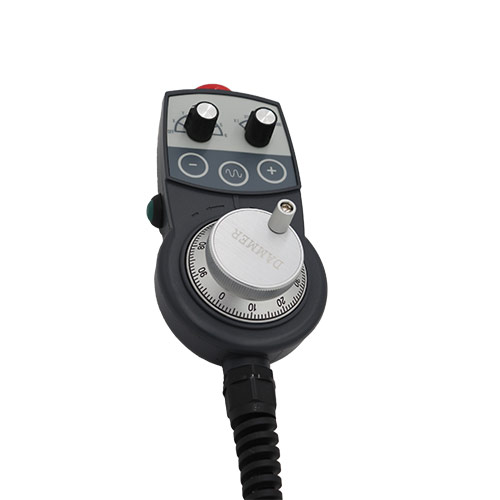
Industrial pulse generator systems are essential devices used to produce precise electrical pulses for a wide range of industrial applications. As a manufacturer of high-quality pulse generator systems, we understand the critical role these devices play in testing, automation, and control systems.
Pulse generator systems are commonly used in industries such as electronics testing, energy management, and industrial automation. They provide accurate pulse signals to measure system performance, calibrate instruments, or trigger specific industrial processes.
Working Principle of Industrial Pulse Generator Systems
An industrial pulse generator system generates electrical pulses with specific amplitude, frequency, and duration. These pulses can be configured as single pulses, continuous trains, or bursts, depending on application requirements.
Key features include:
- Amplitude Control: Adjusts the strength of each pulse.
- Frequency Control: Sets how often pulses occur per second.
- Pulse Width Control: Defines the duration of each pulse.
The systems may be digital or analog and can integrate with PLCs, oscilloscopes, or automated testing equipment.
Types of Industrial Pulse Generator Systems
There are several types of pulse generator systems to meet diverse industrial needs:
- Digital Pulse Generators: Offer high precision and programmability for testing electronic components.
- Analog Pulse Generators: Provide simple pulse outputs for industrial control processes.
- Custom OEM Solutions: Tailored systems for unique industrial applications, including high voltage or high current requirements.
| System Type | Best For | Output Range | Applications |
|---|---|---|---|
| Digital Pulse Gen | Electronics testing | 0–10 V | Signal testing, calibration |
| Analog Pulse Gen | Automation and control | 0–100 V | Process triggering, control loops |
| Custom OEM Systems | Specialized industrial needs | Configurable | High voltage/current applications |
This table helps engineers select the appropriate industrial pulse generator system based on output, application, and precision requirements.
Benefits of Industrial Pulse Generator Systems
Using industrial pulse generator systems offers several advantages:
- Precision Control: Delivers accurate pulse outputs for reliable testing and process control.
- Versatility: Supports various pulse types, frequencies, and amplitudes for different industrial applications.
- Automation Compatibility: Easily integrates with PLCs, automated test setups, and monitoring systems.
- Custom Solutions: Can be tailored for specific industrial needs, ensuring optimal performance.
Applications Across Industries
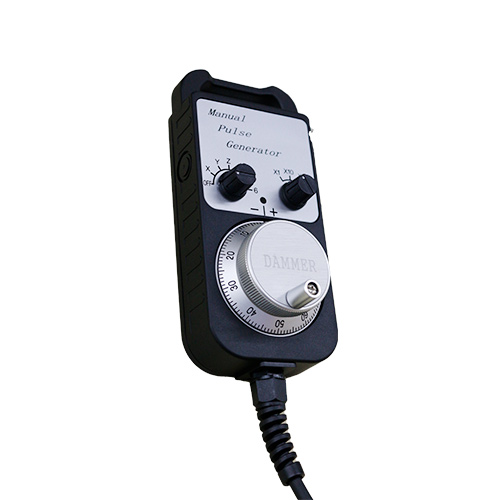
Industrial pulse generator systems are widely used in:
- Electronics Testing: Simulates signals to test circuits, components, and devices.
- Industrial Automation: Controls machinery or triggers processes in production lines.
- Energy Management: Measures performance of transformers, relays, and switching equipment.
- Research and Development: Generates controlled pulse signals for experiments and prototypes.
Installation and Maintenance
Proper setup and maintenance are essential for optimal performance:
- Installation: Connect to test or control systems as per manufacturer guidelines. Ensure grounding and isolation for safety.
- Calibration: Regularly verify amplitude, frequency, and pulse width settings to maintain precision.
- Preventive Maintenance: Inspect connectors, cables, and control modules monthly.
- Troubleshooting: Address signal distortion, incorrect pulse width, or output inconsistencies promptly.
Choosing the Right Industrial Pulse Generator System
When selecting a system, consider:
- Output Requirements: Voltage, current, and pulse width ranges.
- Application Needs: Testing, automation, or research requirements.
- Integration Options: Compatibility with PLCs, oscilloscopes, or monitoring systems.
- Manufacturer Support: Access to technical support and custom system design.
Market Trends and Innovations
Recent innovations in industrial pulse generator systems include:
- Compact, energy-efficient designs for industrial automation.
- Advanced digital control for programmable pulse sequences.
- Integration with IoT-enabled systems for remote monitoring and control.
OEM and custom solutions allow manufacturers to meet unique industrial challenges while improving system reliability and performance.
Case Studies and Success Stories
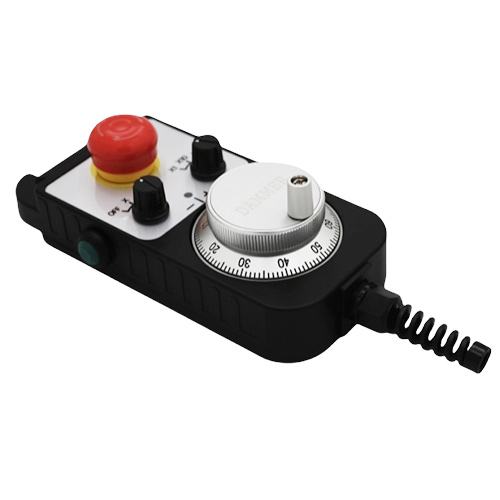
- An electronics lab reduced testing errors by 70% using digital pulse generators.
- A manufacturing plant automated machinery triggers using analog pulse generators, increasing efficiency by 30%.
- R&D teams used custom OEM pulse generators to safely test high-voltage prototypes.
These examples highlight the operational and productivity benefits of industrial pulse generator systems.
Conclusion
Industrial pulse generator systems are vital for modern industrial operations, providing precise pulse control for testing, automation, and process management.
As a manufacturer of high-quality industrial pulse generator systems, we offer reliable and customizable solutions for a wide range of applications. Contact us today to learn how our systems can enhance precision, efficiency, and operational performance in your facility.
FAQ
Q1: What are industrial pulse generator systems used for?
A1: They generate precise electrical pulses for industrial testing, automation, control systems, and research applications.
Q2: How do industrial pulse generator systems work?
A2: They produce electrical pulses with controlled amplitude, frequency, and duration, which can be single, continuous, or burst signals for various applications.
Q3: What types of industrial pulse generator systems are available?
A3: Common types include digital pulse generators for precision testing, analog pulse generators for industrial control, and custom OEM systems for specialized needs.
Q4: How often should industrial pulse generator systems be maintained?
A4: Regular calibration and inspection should be performed monthly to ensure accurate pulse outputs and reliable operation.
Q5: Can industrial pulse generator systems be customized?
A5: Yes, manufacturers can provide tailored solutions to meet specific voltage, current, frequency, or integration requirements for industrial applications.