-
WhatsAPP: +86 18706448138
-
Tengzhou, Shandong, China

Innovative Electrical Solutions for CNC Machines
Innovative Electrical Solutions for CNC Machines

Oil Mist Collectors: Features, Benefits, and Applications
Explore the features, benefits, and industrial applications of oil mist collectors for CNC and machining operations. Improve air quality and efficiency.
Table of Contents
Introduction
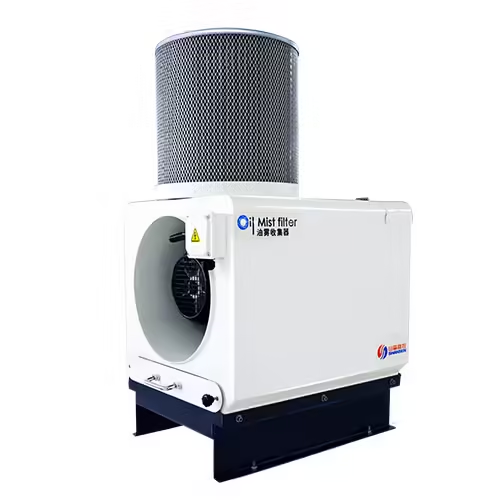
Oil mist collectors are essential devices used in industrial environments to remove airborne oil particles generated during machining, grinding, and metalworking processes. These systems improve workplace air quality, protect employees’ health, and maintain machinery performance.
As a manufacturer of high-quality oil mist collectors, we focus on producing durable, efficient, and reliable units that meet the demands of modern workshops and factories. Our products are designed for a wide range of applications, from small CNC machines to large industrial manufacturing lines.
Key Features of Oil Mist Collectors
High-Efficiency Filtration
Our oil mist collectors use advanced filtration media capable of capturing fine oil particles and smoke, ensuring cleaner air and safer working conditions.
Compatibility with CNC and Machining Equipment
Designed to integrate seamlessly with CNC lathes, milling machines, and grinders, our collectors provide efficient mist removal without interrupting production.
Compact and Modular Design
The portable and modular design allows easy installation in limited spaces and flexibility for future expansion or relocation.
Durable Construction and Industrial-Grade Materials
Our units are built to withstand heavy-duty industrial environments, with corrosion-resistant materials and robust frames for long-lasting performance.
Benefits of Using Oil Mist Collectors
Improved Workplace Air Quality
By removing oil mist from the air, these systems reduce respiratory hazards and create a safer working environment.
Enhanced Machine Longevity
Oil particles can settle on machine components, causing wear and maintenance issues. Collectors help prevent equipment corrosion and extend service life.
Increased Productivity
A cleaner work environment allows operators to focus on machining tasks without interruption, boosting overall productivity.
Energy Efficiency and Cost Savings
Modern oil mist collectors are designed to use minimal energy while maintaining high performance, reducing operational costs over time.
Applications in Different Industries
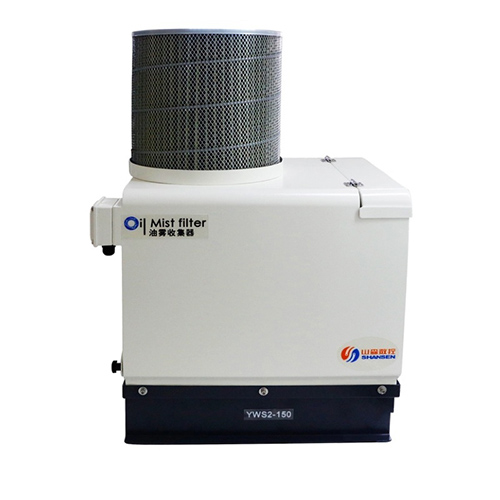
Oil mist collectors are widely used across various sectors, including:
- Metalworking and CNC Machining: Milling machines, lathes, grinders
- Automotive Manufacturing: Machining engine parts, gear production
- Aerospace: Precision metal cutting and finishing
- General Industrial Manufacturing: Processes that generate fine oil aerosols
Their versatility makes them a critical component for factories aiming to comply with safety standards and maintain operational efficiency.
How to Choose the Right Oil Mist Collector
Selecting the right collector requires consideration of multiple factors:
| Feature | Description | Importance |
|---|---|---|
| Filtration Efficiency | Ability to capture fine oil mist particles | High |
| Airflow Capacity | Matches CNC or machining equipment requirements | Essential |
| Noise Level | Low operational noise for workplace comfort | Medium |
| Size & Portability | Space requirements and relocation needs | Medium |
| Maintenance | Ease of filter replacement and cleaning | High |
Choosing a collector that matches your equipment and workflow ensures maximum efficiency and safety.
Installation and Usage Guide
Step-by-Step Installation
- Connect the collector’s ducting to your machine’s mist source.
- Secure the unit on a flat surface or mounting bracket.
- Power on the collector and adjust airflow settings according to your machine’s requirements.
Tips for Smooth Operation
- Replace filters regularly to maintain efficiency.
- Ensure ducting is properly sealed to avoid leaks.
- Periodically inspect the unit for wear or damage.
Troubleshooting Common Issues
- Reduced suction may indicate clogged filters.
- Excessive noise could be caused by loose components.
- Check electrical connections if the unit fails to start.
Maintenance and Longevity Tips
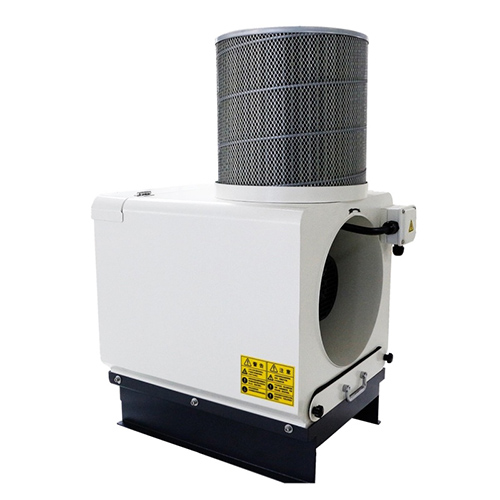
Proper maintenance is key to reliable and long-term performance:
- Inspect and clean filters regularly to prevent clogging.
- Empty oil collection trays or reservoirs frequently.
- Use recommended replacement parts to ensure consistent operation.
- Keep the unit in a clean, dry environment when not in use.
Regular maintenance ensures continuous performance and a safe workplace environment.
Conclusion
Oil mist collectors are a vital investment for any industrial or manufacturing environment. They enhance air quality, protect employee health, prolong machinery life, and increase productivity. As a manufacturer, we provide high-quality, durable, and efficient oil mist collectors tailored for CNC machines and industrial applications. Choosing the right collector ensures a safer, cleaner, and more productive workspace, helping your operations run smoothly while meeting industry standards.
FAQ
What is an oil mist collector used for?
It removes airborne oil particles generated during machining, keeping the workplace air clean and protecting machinery.
Can it improve machine longevity?
Yes, by preventing oil buildup on machine components, collectors reduce wear and maintenance needs.
How do I choose the right collector for my CNC machine?
Consider airflow capacity, filtration efficiency, noise levels, and space availability to match your machine’s requirements.
How often should filters be replaced?
Filter replacement depends on usage and oil mist density; typically every 3–6 months for industrial environments.
Are oil mist collectors energy-efficient?
Modern collectors are designed to maintain high efficiency while consuming minimal energy, reducing operational costs.