-
WhatsAPP: +86 18706448138
-
Tengzhou, Shandong, China

Innovative Electrical Solutions for CNC Machines
Innovative Electrical Solutions for CNC Machines

Manual Pulse Generator vs Electronic Pulse Generator: Key Differences
Explore the differences between electronic and manual pulse generators for CNC machines, including precision, applications, and installation tips.
Table of Contents
Introduction
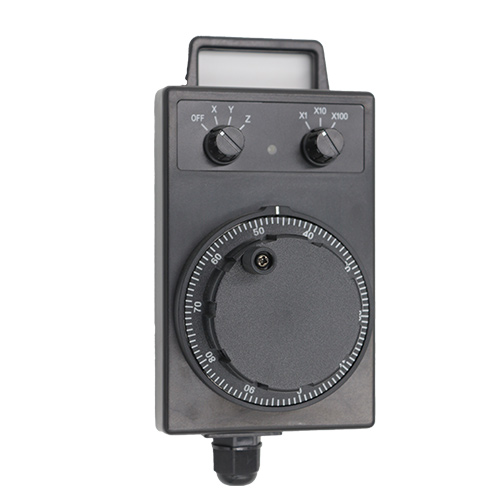
Pulse generators are essential components in CNC (Computer Numerical Control) machines, enabling precise movement and control over milling, turning, and shaping processes. These devices convert mechanical motion or electronic signals into precise pulses, which are then interpreted by CNC controllers to guide machine operations.
Understanding the differences between manual and electronic pulse generators is crucial for manufacturers, engineers, and machine operators. While both serve similar purposes, the choice between them affects accuracy, workflow efficiency, and overall cost.
What is a Manual Pulse Generator?
A manual pulse generator (MPG), often referred to as a handwheel or hand pulse generator, is a device that allows operators to manually control CNC machines. By rotating the handwheel, the operator generates electrical pulses that instruct the machine to move incrementally, providing precise control over positioning.
Manual pulse generators are widely used in applications such as CNC milling machines, lathes, and precision shaping. Their primary advantage is giving operators real-time tactile feedback, which is critical for fine adjustments and delicate machining tasks.
Features of a High-Precision Manual Pulse Generator:
- Ergonomic handwheel design for comfortable operation
- Digital display for real-time positional feedback
- Compact, durable construction suitable for industrial environments
What is an Electronic Pulse Generator?
Electronic pulse generators (EPG) perform a similar function but rely on digital or electronic signals rather than direct manual control. These devices are often integrated into fully automated CNC systems and can be programmed for repetitive, high-speed operations without direct operator input.
Electronic pulse generators are ideal for production environments where automation, speed, and consistency are priorities. They can handle complex motion sequences and are often used in conjunction with advanced CNC controllers.
Features of Modern Electronic Pulse Generators:
- Programmable functions for automated operations
- High-speed pulse output for rapid CNC response
- Reduced reliance on manual intervention, minimizing operator errors
Key Differences Between Manual and Electronic Pulse Generators
Choosing between a manual and electronic pulse generator depends on several factors, including machine type, precision requirements, and workflow demands. Here are the main differences:
| Feature | Manual Pulse Generator | Electronic Pulse Generator |
|---|---|---|
| Control Type | Handwheel (manual) | Electronic signals (automated) |
| Precision | High tactile control | High-speed repeatable accuracy |
| Operator Involvement | Active operator participation | Minimal manual interaction |
| Installation | Simple, retrofittable | Requires integration with CNC system |
| Cost | Lower upfront cost | Higher initial investment |
| Maintenance | Easy and low-cost | Requires electronic troubleshooting expertise |
Manual pulse generators are often preferred for workshops that require hands-on control and fine adjustments, while electronic pulse generators suit high-volume production lines where speed and automation are critical.
Applications of Manual Pulse Generators
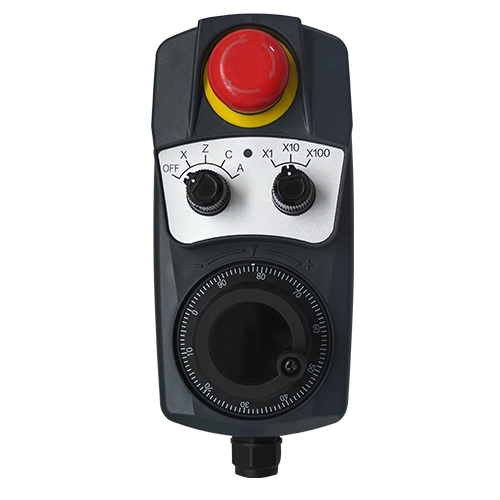
Manual pulse generators are versatile tools, widely applied across multiple CNC operations:
- CNC Milling Machines: Precise adjustments during tool paths
- CNC Lathes: Accurate positioning of workpieces
- 3D Milling and Precision Shaping: Fine-tuning details in complex components
- Retrofitting Older Machines: Enhancing control and accuracy without upgrading the entire system
Industry Examples: Small workshops rely on pulse generators for custom manufacturing and prototyping, while industrial plants may use them in combination with electronic systems for hybrid control.
Advantages of Using a Manual Pulse Generator
Manual pulse generators provide several benefits that make them indispensable in precision machining:
- Enhanced operator control for delicate operations
- Lower cost compared to fully electronic systems
- Easy maintenance with long service life
- Real-time feedback for high-precision tasks
These advantages are particularly valuable in environments where operators need to make frequent adjustments and monitor machine movements closely.
How to Choose the Right Pulse Generator
Selecting the appropriate pulse generator requires careful consideration of several factors:
- Machine Compatibility: Ensure compatibility with CNC controllers, lathes, and milling machines
- Precision Requirements: Assess the level of fine control required for your operations
- Operator Skill Level: Manual systems require experienced operators for best results
- Brand and Durability: Opt for high-quality, reliable pulse generators to reduce downtime and maintenance costs
Installation and Maintenance Tips
Proper installation and maintenance are critical to ensure the longevity and performance of a manual pulse generator:
- Install the device according to the manufacturer’s guidelines and CNC controller specifications
- Calibrate the handwheel for accurate pulse generation
- Perform regular inspections to prevent wear and tear
- Troubleshoot common issues such as signal inconsistencies or mechanical looseness
Following these steps ensures that your manual pulse generator remains reliable over time, maintaining precision and efficiency in your CNC operations.
Future Trends in Pulse Generators
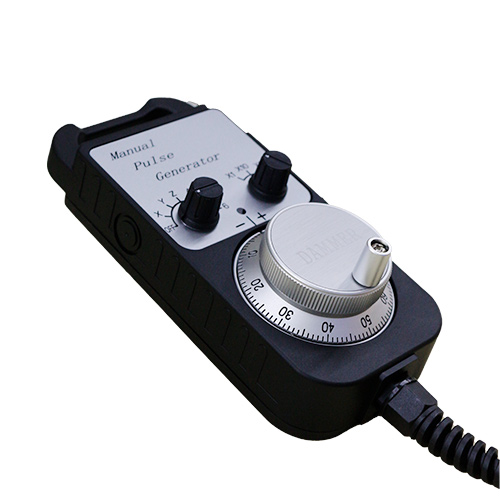
The industry is evolving toward hybrid systems that combine the tactile feedback of manual pulse generators with the automation capabilities of electronic systems. Emerging trends include:
- Smart CNC integration with IoT-enabled pulse generators
- Increased demand for high-precision manual pulse generators in small and medium-sized workshops
- Enhanced ergonomics and digital display features to improve operator experience
These innovations highlight the ongoing relevance of manual pulse generators in modern machining, even as automation becomes more prevalent.
Conclusion
Understanding the differences between manual and electronic pulse generators is vital for manufacturers, engineers, and workshop operators. Manual pulse generators offer unmatched precision and real-time operator control, making them ideal for detailed and customized CNC work. Electronic pulse generators provide automation and efficiency for high-volume production.
As a manufacturer of high-precision manual pulse generators, we ensure that our products deliver reliability, accuracy, and durability, helping CNC operators achieve optimal performance. Whether upgrading existing machines or designing new systems, selecting the right pulse generator is a key step toward achieving precision, efficiency, and long-term operational success.
FAQ
Q1: What is a manual pulse generator?
A: A manual pulse generator is a device used in CNC machines that allows operators to manually control precise machine movements using a handwheel, providing high-precision positioning.
Q2: How does a manual pulse generator differ from an electronic pulse generator?
A: Unlike electronic pulse generators, which operate automatically via digital signals, manual pulse generators require operator input, offering tactile feedback and precise control.
Q3: Which machines can use a manual pulse generator?
A: Manual pulse generators are commonly used with CNC milling machines, lathes, and other precision machinery that require fine manual adjustments.
Q4: What are the benefits of using a manual pulse generator?
A: Benefits include high operator control, real-time feedback, easy maintenance, long service life, and lower cost compared to fully electronic systems.
Q5: How do I install and maintain a pulse generator?
A: Install according to the CNC controller guidelines, calibrate the handwheel for accurate pulses, and perform regular inspections to ensure durability and precise operation.