-
WhatsAPP: +86 18706448138
-
Tengzhou, Shandong, China

Innovative Electrical Solutions for CNC Machines
Innovative Electrical Solutions for CNC Machines

What Is a CNC MPG Handwheel? Functions, Types and Selection Guide
A CNC MPG handwheel, also known as a Manual Pulse Generator (MPG) or electronic handwheel, is a manual control device used to move CNC machine axes in precise incremental steps.
It is commonly found on CNC lathes, machining centers, milling machines, grinding machines, and other machine tools that require accurate manual positioning during setup and operation.
Compared with moving an axis through a keyboard or CNC control panel, an MPG handwheel gives the operator direct and intuitive control over axis movement.
This makes it particularly useful for machine setup, tool positioning, workpiece alignment, maintenance, and manual adjustment.
What Does MPG Mean in CNC?
MPG stands for Manual Pulse Generator.
When the operator rotates the handwheel, the MPG generates electrical pulses. These pulses are sent to the CNC control system, which interprets them as incremental movement commands.
The amount of machine movement depends on the MPG resolution and the selected electronic multiplication factor.
For example, a typical CNC MPG may provide feed-rate selections such as:
- X1
- X10
- X100
The operator can select an axis, choose the required multiplication factor, and rotate the handwheel to move the machine axis.
This provides a simple way to make controlled manual movements without entering a complete CNC program.
How Does a CNC MPG Handwheel Work?
A basic CNC electronic handwheel consists of several functional elements:
- Handwheel
- Pulse-generating mechanism
- Axis selection switch
- Feed-rate selection switch
- Enable switch, depending on configuration
- Emergency stop button, depending on configuration
- Electrical connector
- Cable or wireless communication system
When the operator turns the handwheel, the internal encoder generates pulses.
The CNC controller receives these pulses and converts them into axis movement.
The general operating process is:
Select Axis → Select Pulse Scale → Rotate Handwheel → CNC Receives Pulses → Machine Axis Moves
The exact signal format and electrical interface depend on the MPG and the CNC control system.
Where Are CNC MPG Handwheels Used?
MPG handwheels are widely used in machine tool applications where manual positioning is required.
Common applications include:
CNC Lathes
On CNC lathes, an MPG can be used for:
- Tool positioning
- Workpiece setup
- Manual axis movement
- Tool alignment
- Maintenance
CNC Machining Centers
For machining centers, the MPG may be used to manually position X, Y, and Z axes during setup.
Milling Machines
An electronic handwheel can provide more convenient incremental positioning than using buttons on the control panel.
Grinding Machines
Precise manual adjustment is often required during grinding operations, making incremental control particularly useful.
Machine Tool Retrofitting
MPG handwheels are also commonly used in CNC retrofit projects.
When an existing machine is upgraded with a new control system, the original handwheel may need to be replaced with an MPG compatible with the new controller.
Wired CNC MPG vs. Wireless MPG
CNC MPGs can generally be divided into two categories: wired MPG handwheels and wireless MPG handwheels.
Wired MPG Handwheel
A wired MPG is connected directly to the CNC control system through a cable.
Advantages include:
- Simple communication structure
- No wireless pairing required
- Continuous power through the cable in some configurations
- Suitable for fixed machine installations
- Easy integration into existing electrical systems
Cable length and connector configuration should be confirmed before ordering.
Wireless MPG Handwheel
A wireless MPG uses a transmitter and receiver to communicate with the CNC system.
This eliminates the physical cable between the handwheel and the machine.
A wireless electronic handwheel can be useful when the operator needs greater freedom of movement around the machine.
Important specifications may include:
- Wireless frequency
- Communication distance
- Number of axes
- Battery type
- Charging method
- Pairing method
- Emergency stop
- Enable function
- Receiver interface
For wireless applications, the actual operating environment should also be considered because metal machine structures and industrial equipment may affect wireless communication.
How Many Axes Does an MPG Support?
The number of axes supported by an MPG depends on its design.
Common configurations include:
- 3-axis
- 4-axis
- 5-axis
- 6-axis
- 7-axis
A basic CNC machining application may only require X, Y, and Z.
More complex machine tools may require additional axis selections.
The number of axis positions on the selector switch should therefore match the actual CNC machine configuration.
What Is the Difference Between 25 PPR and 100 PPR?
PPR, or pulses per revolution, describes how many electrical pulses an MPG generates during one complete rotation.
For example:
- 25 PPR = 25 pulses per revolution
- 100 PPR = 100 pulses per revolution
The appropriate resolution depends on the CNC control system and the required manual positioning behavior.
A higher pulse count can provide finer pulse resolution, but compatibility with the controller and the overall machine movement configuration must still be considered.
Therefore, PPR should not be selected independently from the CNC system.
Common MPG Voltage Configurations
CNC MPGs are available with different electrical configurations.
Depending on the design, common supply voltages can include:
- 5 V
- 12 V
- 24 V
Signal configurations may also vary.
Before ordering an MPG, users should confirm the required:
- Supply voltage
- Output signal
- Signal level
- Differential or single-ended interface
- Connector
- Pin assignment
The correct electrical specification is more important than simply selecting an MPG based on its external appearance.
What Is the Difference Between MPG and CNC Control Panel Operation?
An MPG does not replace the CNC control panel.
The two devices serve different purposes.
The CNC operation panel provides a broader machine interface, including machine functions, switches, buttons, displays, and other controls.
The MPG handwheel is primarily designed for manual incremental axis movement.
In many machines, both are used together.
For example:
CNC Operation Panel → Machine Operation and Function Control
MPG Handwheel → Manual Axis Positioning
This combination gives the operator both centralized machine control and direct manual axis adjustment.
MPG Emergency Stop and Enable Functions
Some CNC MPG handwheels incorporate additional safety and control functions.
An emergency stop button can be integrated into the handwheel housing so that the operator can quickly activate the machine’s emergency stop circuit.
An enable switch can also be used in certain designs.
However, the exact safety architecture depends on the machine builder and CNC control system.
The MPG should therefore be integrated into the machine’s complete control and safety circuit according to the applicable electrical design.
How to Choose a CNC MPG Handwheel
When selecting a CNC MPG, the following specifications should be confirmed.
1. Number of Axes
Determine whether the application requires 3, 4, 5, 6, or more axis selection positions.
2. Pulse Resolution
Check the required PPR, such as 25 PPR or 100 PPR.
3. Supply Voltage
Confirm whether the CNC system requires 5 V, 12 V, 24 V, or another voltage.
4. Signal Type
Check whether the CNC controller requires differential or single-ended signals.
5. Axis Selection
Confirm the axis selector configuration.
Typical selections include:
X / Y / Z / 4th Axis / 5th Axis
6. Pulse Multiplication
Common selections include:
X1 / X10 / X100
The actual available settings depend on the CNC control system.
7. Cable and Connector
For wired MPGs, confirm:
- Cable length
- Cable type
- Connector type
- Pin assignment
- Cable outlet direction
8. Housing and Protection
The handwheel may be exposed to coolant, oil, chips, dust, vibration, and repeated operator handling.
Therefore, housing construction and protection level should be selected according to the machine environment.
Can an MPG Handwheel Be Customized?
Yes. OEM machine builders may require customized MPG configurations.
Possible customization options include:
- Housing design
- Number of axes
- Axis selector
- Pulse multiplier
- PPR
- Supply voltage
- Connector
- Cable length
- Emergency stop
- Enable switch
- Labeling
- Logo
- Color
- Packaging
For OEM projects, it is useful to provide the existing MPG model, photographs, electrical specifications, wiring diagram, or CNC controller information.
This allows the manufacturer to determine whether a standard product can be used or whether a customized version is required.
CNC MPG Handwheel for OEM Applications
For machine tool manufacturers, an MPG is often only one part of a larger electrical accessory package.
An OEM project may involve:
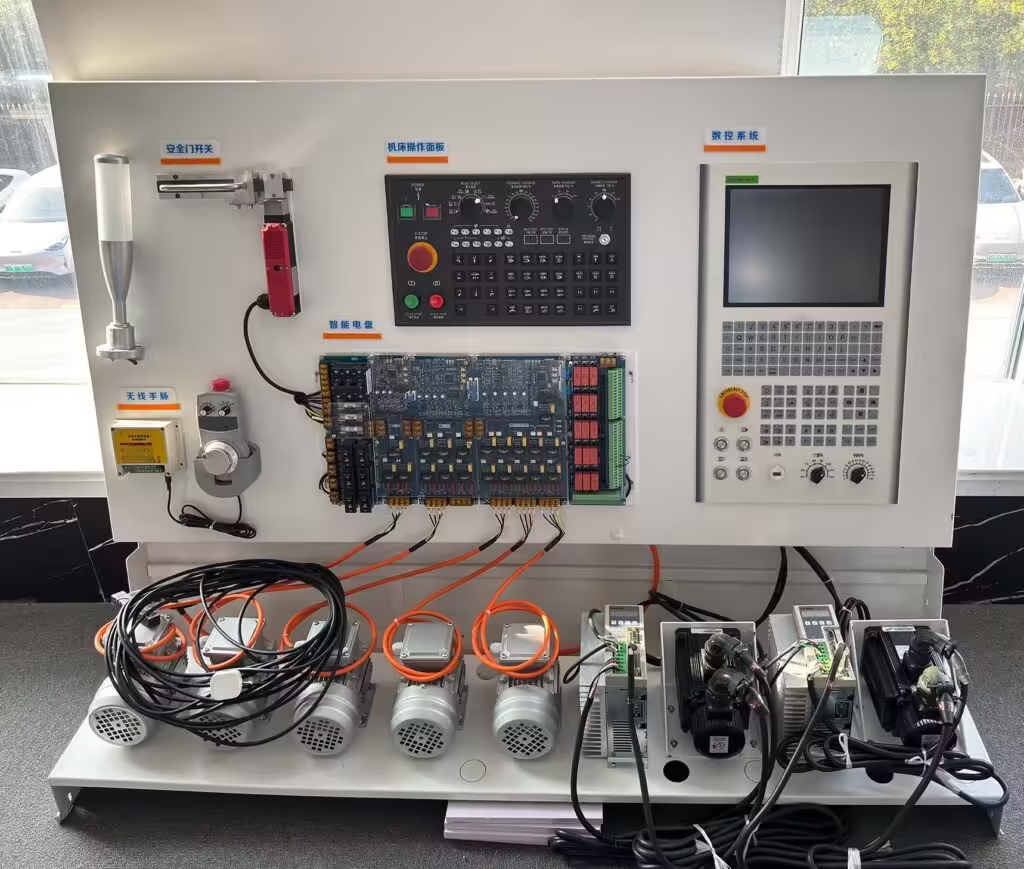
- CNC operation panel
- MPG handwheel
- Safety door switch
- Emergency stop
- LED work light
- Warning light
- Cable assembly
- Electrical control components
Using compatible components can simplify machine assembly and maintenance.
For customized projects, the supplier may also need to coordinate the dimensions, connectors, cables, labels, and electrical interfaces of several products.
CNC MPG Manufacturer and Supplier
Shansen CNC manufactures CNC MPG handwheels and Manual Pulse Generators for machine tool and industrial equipment applications.
Our MPG products can be configured for different axis numbers, pulse resolutions, voltage requirements, connector types, cable lengths, and control functions.
Both wired and wireless MPG solutions are available for different machine applications.
For OEM and ODM projects, customized configurations can be developed according to customer requirements.
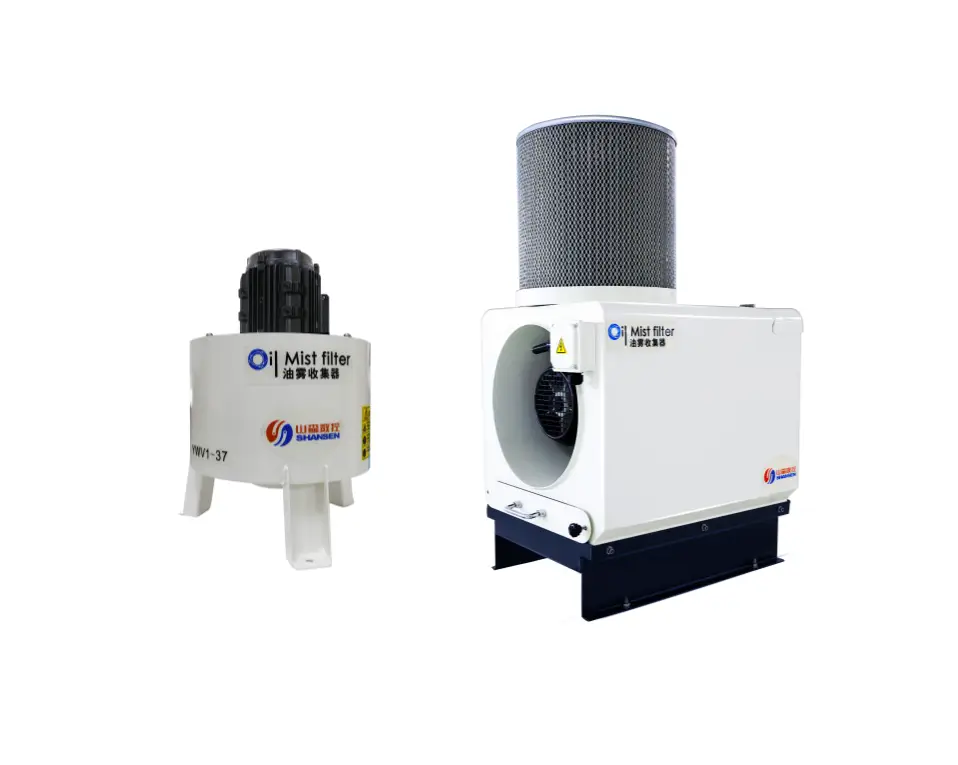
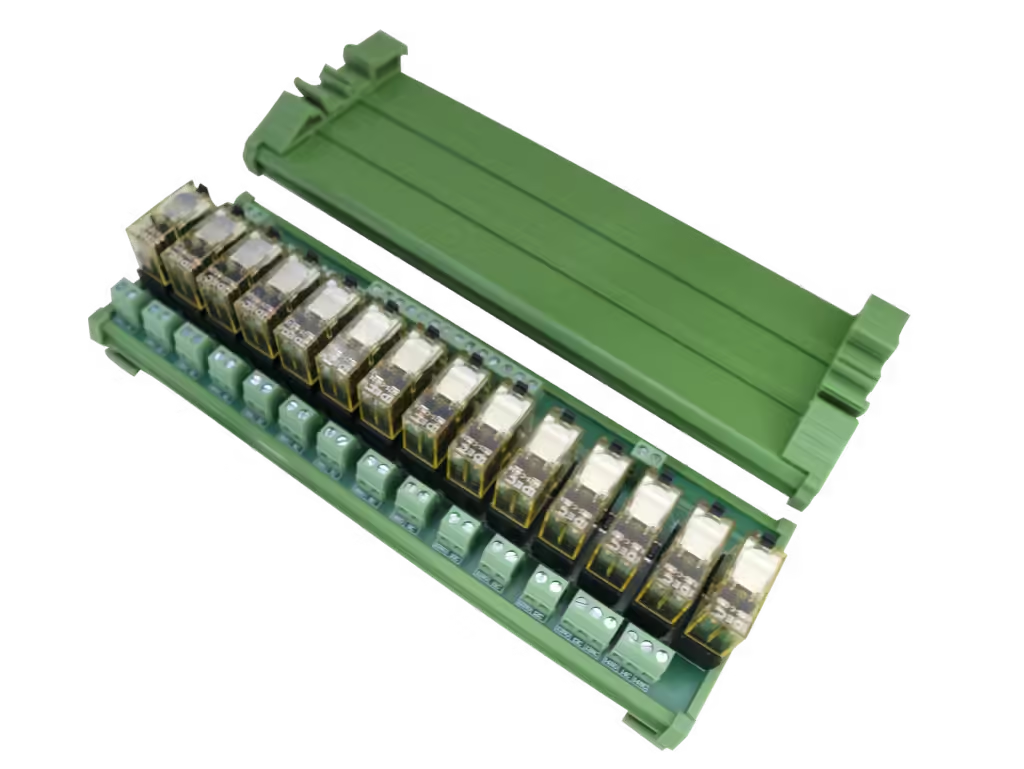
In addition to MPG handwheels, Shansen CNC supplies a wider range of CNC machine tool accessories, including machine operation panels, safety door switches, LED work lights, warning lights, cable assemblies, relay modules, oil mist collectors, and other machine tool electrical components.
Frequently Asked Questions About CNC MPG Handwheels
What is an MPG handwheel?
An MPG handwheel is a Manual Pulse Generator used to manually move CNC machine axes through incremental electrical pulses.
What does MPG stand for?
MPG stands for Manual Pulse Generator.
What is a CNC electronic handwheel?
A CNC electronic handwheel is another common name for an MPG handwheel. It allows the operator to manually control CNC axis movement.
What is PPR in an MPG?
PPR means pulses per revolution. It indicates the number of electrical pulses generated during one complete handwheel rotation.
Can an MPG be used with any CNC controller?
Not necessarily. The MPG must match the CNC controller’s electrical interface, signal type, voltage, pulse requirements, connector, and wiring configuration.
Can a CNC MPG be customized?
Yes. Depending on the manufacturer, parameters such as axis selection, PPR, voltage, connector, cable length, emergency stop, enable switch, housing, and labeling can be customized for OEM applications.
What is the difference between a wired and wireless MPG?
A wired MPG communicates with the CNC system through a physical cable, while a wireless MPG uses a transmitter and receiver. The appropriate solution depends on the machine design and operating requirements.
Conclusion
The CNC MPG handwheel is a relatively small component, but it provides an important interface between the machine operator and CNC control system.
When selecting an MPG handwheel, the key parameters include axis number, PPR, voltage, signal type, pulse multiplication, connector, cable length, and machine environment.
For replacement applications, matching the existing electrical and mechanical specifications is essential.
For OEM applications, customization can provide a better fit for the machine’s control system, installation requirements, and production process.
Whether you need a standard CNC MPG handwheel, a wireless electronic handwheel, or a customized Manual Pulse Generator for an OEM machine, the correct specifications should always be confirmed before production.
Shansen CNC provides CNC MPG handwheels and other machine tool electrical accessories for machine tool manufacturers, distributors, system integrators, and industrial equipment companies worldwide.