-
WhatsAPP: +86 18706448138
-
Tengzhou, Shandong, China

Innovative Electrical Solutions for CNC Machines
Innovative Electrical Solutions for CNC Machines

How to Choose the Right Manual Pulse Generator for Your CNC Machine
Learn how to select the best manual pulse generator for your CNC machine. Tips on precision, compatibility, and installation for optimal performance.
Table of Contents
Introduction
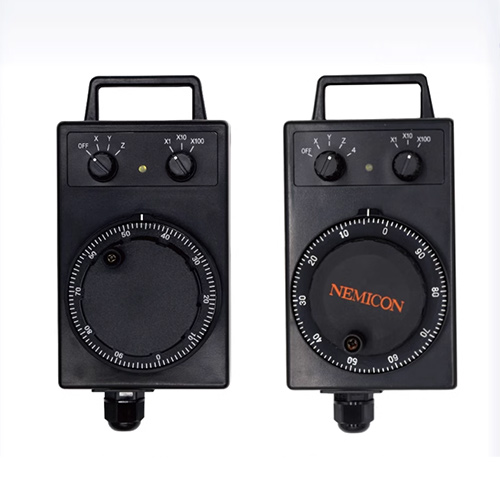
A manual pulse generator (MPG) is an essential device for CNC machines, allowing precise control over machine movements. Unlike fully electronic controllers, a manual pulse generator gives operators direct, hands-on control, which is especially important for milling machines, lathes, and other precision equipment. As a manufacturer of high-quality manual pulse generators, we understand that choosing the right device is critical for achieving both accuracy and efficiency in CNC operations.
Manual pulse generators are used to adjust spindle rotation, axis movement, and feed rates manually. Their role in CNC machining cannot be overstated, as they bridge the gap between automated programming and hands-on precision work. They are available in various designs, from simple analog dials to advanced digital units with high-resolution displays.
How Manual Pulse Generators Work
A pulse generator works by sending a series of electrical pulses to the CNC machine’s control system. Each pulse corresponds to a precise movement along the machine’s axes, allowing operators to control positions with high accuracy. When integrated with CNC handwheels, an MPG translates rotational motion into incremental machine movement, making it ideal for tasks such as fine-tuning or precise positioning.
Digital pulse generators can offer even greater precision, often providing resolutions down to microns. This level of control is especially valuable for high-precision machining, mold making, or finishing operations.
Key Features of High-Precision Pulse Generators
Choosing the right pulse generator involves considering several key features:
- Display and Resolution Options: Digital displays allow for easy reading of axis positions, reducing operator errors.
- Ergonomic Design: Comfortable dials and handwheels enhance usability during long operating periods.
- Compatibility: Must be compatible with various CNC machines, including milling machines, lathes, and drilling machines.
- Durability: High-quality materials ensure long-term performance, even in industrial environments.
Here’s a comparison of typical features you may encounter:
| Feature | Analog MPG | Digital MPG | High-Precision Digital MPG |
|---|---|---|---|
| Resolution | Low | Medium | High (micron-level) |
| Display | None | LED | LCD/LED with axis readout |
| Ease of Use | Moderate | Easy | Very Easy |
| Durability | Moderate | High | High |
| Cost | Low | Medium | High |
Applications of Manual Pulse Generators in CNC Machining
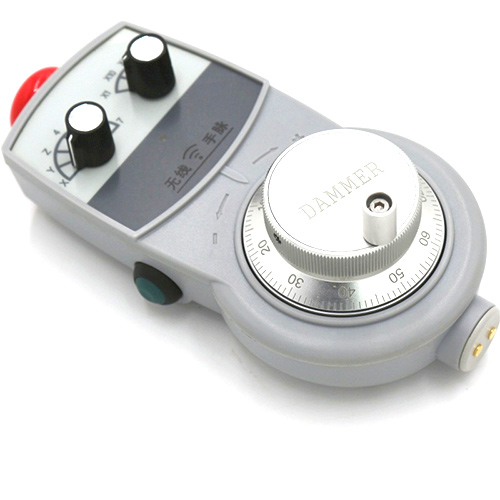
Manual pulse generators are versatile tools used in a variety of CNC operations:
- Milling Machines: For precise adjustment of cutting positions and spindle movements.
- Lathe Machines: For accurate rotation and longitudinal control.
- Drilling Machines: To ensure exact hole placement and depth.
- Other Industrial Applications: Including CNC routers, engraving machines, and custom fabrication equipment.
The manual control offered by an MPG ensures that operators maintain precision in critical operations where automated programming alone may not be sufficient.
Factors to Consider When Buying a Manual Pulse Generator
As a manufacturer, we recommend considering the following factors:
- Accuracy and Precision: Choose a generator that matches the resolution needs of your CNC tasks.
- Build Quality: Look for durable materials and sturdy construction to withstand industrial environments.
- Brand and Manufacturer Reliability: Direct sourcing from trusted manufacturers ensures product quality and support.
- Cost vs Performance: Balance your budget with desired features, resolution, and durability.
- Replacement Parts Availability: Ensure spare parts and maintenance support are readily available.
Installation and Integration Tips
Proper installation of a manual pulse generator is essential for optimal performance:
- Connect the MPG to your CNC controller following the manufacturer’s wiring diagram.
- Align the generator with the handwheel and machine axes to ensure accurate pulse transmission.
- Follow safety precautions to avoid electrical hazards.
- Test movements carefully before starting full operations to verify smooth functionality.
Proper integration ensures seamless control over your CNC operations and reduces the risk of machine errors.
Troubleshooting and Maintenance of Manual Pulse Generators
Regular maintenance and troubleshooting can extend the life of your manual pulse generator:
- Common Problems: Incorrect readings, irregular movements, or display errors.
- Solutions: Check wiring connections, recalibrate resolution settings, clean dust or debris from the device.
- Preventive Maintenance: Regularly clean and lubricate moving parts, inspect electrical connections, and protect the MPG from moisture.
Consistent maintenance preserves the precision and reliability of your CNC equipment.
Choosing the Best Supplier or Manufacturer
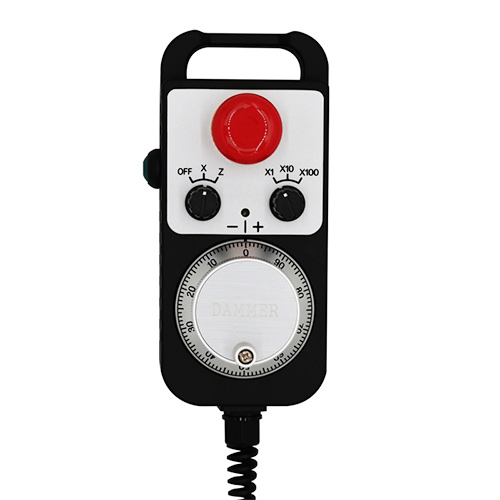
Sourcing your manual pulse generator directly from a trusted manufacturer has multiple benefits:
- Ensures high-quality, durable products.
- Provides reliable technical support and spare parts.
- Offers customization options for specific CNC applications.
As a manufacturer ourselves, we recommend evaluating product certifications, customer reviews, and service quality before choosing a supplier.
Conclusion
Selecting the right manual pulse generator for your CNC machine is crucial for achieving precision, efficiency, and long-term performance. By considering factors like resolution, durability, and manufacturer reliability, you can enhance your CNC operations and maintain high standards of machining quality. Investing in a high-quality manual pulse generator not only improves accuracy but also provides operators with better control, making it an indispensable tool in modern CNC machining.
FAQ
Q1: What is a manual pulse generator?
A: A manual pulse generator (MPG) is a device that allows precise manual control of CNC machine movements, enabling fine adjustments of axes and spindle rotation.
Q2: How does a manual pulse generator work?
A: It sends incremental electrical pulses to the CNC controller, translating handwheel or dial movements into precise machine motions for accurate positioning.
Q3: What types of CNC machines use a manual pulse generator?
A: MPGs are commonly used with milling machines, lathes, drilling machines, CNC routers, and other equipment requiring high-precision manual control.
Q4: How do I choose the right manual pulse generator for my machine?
A: Consider factors such as resolution, display type, compatibility with your CNC machine, build quality, and manufacturer reliability to ensure optimal performance.
Q5: How should a pulse generator be maintained?
A: Regular cleaning, checking electrical connections, and lubricating moving parts help maintain accuracy and extend the lifespan of your pulse generator.