-
WhatsAPP: +86 18706448138
-
Tengzhou, Shandong, China

Innovative Electrical Solutions for CNC Machines
Innovative Electrical Solutions for CNC Machines

How to Choose the Right Oil Mist Collector Filter for Your Machine
Learn how to select, install, and maintain the ideal oil mist collector filter for your machines. Tips for efficiency, safety, and long-lasting performance.
Table of Contents
Choosing the right oil mist collector filter is essential for maintaining a clean and safe working environment, protecting machinery, and ensuring efficient production. As a manufacturer of high-quality oil mist collector filters, we understand the factors that matter most when selecting a filter. This guide provides practical advice, installation tips, maintenance practices, and insights into modern filter options for workshops, CNC machines, and industrial facilities.
Understanding Oil Mist Collector Filters

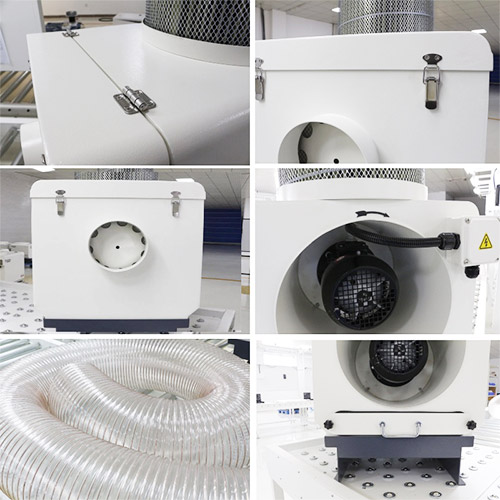
An oil mist collector filter is designed to capture airborne oil particles generated during machining processes. By trapping fine oil droplets, these filters improve air quality, reduce workplace contamination, and protect sensitive components in CNC machines and metalworking equipment. Key components of a filter include the filter media, cartridge or panel housing, and a fan or blower to maintain airflow.
Importance of Selecting the Right Filter
Choosing the correct oil mist collector filter provides several benefits:
- Protecting Equipment: Reduces the risk of oil contamination and damage to machinery.
- Workplace Safety: Minimizes inhalation risks and maintains compliance with environmental standards.
- Operational Efficiency: Reduces maintenance downtime and extends the lifespan of machines.
- Air Quality Improvement: Captures fine mist particles to create a cleaner, healthier workshop environment.
Types of Oil Mist Collector Filters
There are several types of filters designed for different applications:
- Cartridge vs Panel Filters: Cartridge filters are compact and easy to replace, while panel filters offer larger surface areas for high-volume mist collection.
- HEPA and Coalescing Filters: Designed to capture very fine oil mist and aerosol particles.
- Industrial vs Workshop-Grade Filters: Industrial filters handle higher volumes of mist, while workshop-grade filters are suitable for smaller machinery setups.
Factors to Consider When Choosing a Filter
When selecting an oil mist collector filter, consider the following factors:
- Machine Type and Mist Output: The filter must match the volume and intensity of mist produced.
- Filtration Efficiency and Airflow Capacity: Higher efficiency ensures cleaner air and better protection.
- Durability and Lifespan: Long-lasting filters reduce replacement frequency and maintenance costs.
- Ease of Installation and Replacement: Filters that are simple to replace save time and minimize downtime.

Installation Best Practices
Proper installation ensures optimal filter performance:
- Position the filter to maximize airflow capture from oil mist sources.
- Ensure airtight connections to prevent leakage and maintain efficiency.
- Follow safety precautions during installation to protect operators and equipment.
Maintenance Tips for Long-Term Performance
Regular maintenance is critical to keeping filters effective:
- Inspect the filter on a scheduled basis to check for clogging or damage.
- Clean or replace cartridges as recommended by the manufacturer.
- Troubleshoot performance issues such as reduced airflow or unusual odors promptly.
Upgrading or Replacing Your Filter
Upgrading your oil mist collector filter improves efficiency and reliability:
- Replace worn-out filters to restore maximum collection efficiency.
- Choose energy-efficient, high-performance filters to save costs over time.
- Our manufactured oil mist collector filters are engineered for durability, reliability, and superior filtration performance.
Applications Across Different Machines and Workshops
| Machine/Workshop Type | Filter Type Used | Key Benefits |
|---|---|---|
| CNC Machining Centers | Cartridge or HEPA filters | Protects sensitive components |
| Metalworking Shops | Panel or coalescing filters | Reduces oil buildup and contamination |
| Automotive & Industrial Lines | Industrial-grade filters | Handles high mist volume efficiently |
These examples illustrate the versatility of oil mist collector filters across various settings.

Conclusion
Selecting the right oil mist collector filter is essential for maintaining a safe, efficient, and clean working environment. Factors such as filter type, efficiency, airflow capacity, and maintenance schedules directly impact the performance of your machines and overall air quality. As a manufacturer, we provide high-quality, reliable filters designed to meet the needs of CNC machines, metalworking shops, and industrial facilities. Investing in a well-chosen filter ensures long-term performance, reduces maintenance costs, and improves workplace safety.
FAQ: Oil Mist Collector Filter
Q1: How does an oil mist collector filter work in CNC machines?
Oil mist collector filters trap airborne oil droplets generated during CNC machining. Using high-efficiency filter media, they prevent oil contamination, improve air quality, and protect sensitive components.
Q2: What are the signs that my oil mist collector filter needs replacement?
Common indicators include reduced airflow, unusual odors, visible oil buildup on surfaces, frequent clogging, or decreased machine efficiency. Timely replacement ensures optimal performance.
Q3: How can I maintain an oil mist collector filter for long-term efficiency?
Regularly inspect the filter for debris or damage, clean or replace cartridges according to usage, and ensure proper installation. Following manufacturer guidelines helps extend lifespan and maintain high filtration efficiency.
Q4: What types of oil mist collector filters are best for industrial applications?
For industrial use, coalescing filters, HEPA filters, and high-capacity cartridge or panel filters are ideal. They handle higher oil mist volumes while maintaining energy-efficient operation.
Q5: Can upgrading to an energy-efficient oil mist collector filter reduce operational costs?
Yes. Modern, energy-efficient filters reduce power consumption, extend machine life, and improve air quality, leading to lower maintenance costs and improved safety in workshops and factories.