-
WhatsAPP: +86 18706448138
-
Tengzhou, Shandong, China

Innovative Electrical Solutions for CNC Machines
Innovative Electrical Solutions for CNC Machines

How an Electronic Pulse Generator Works: A Complete Guide for Engineers
Discover how electronic pulse generators work, their applications, and tips for choosing the right high-precision pulse generator for labs and industry.
Table of Contents
Introduction
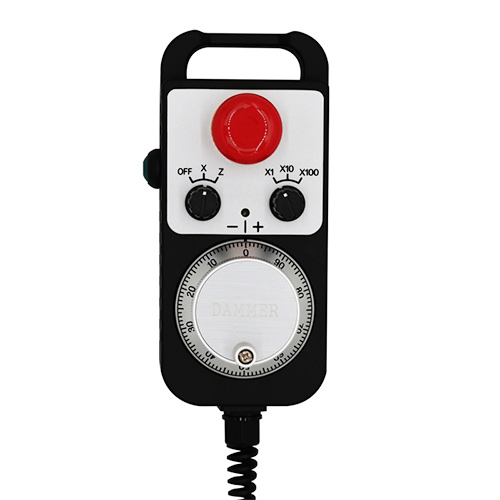
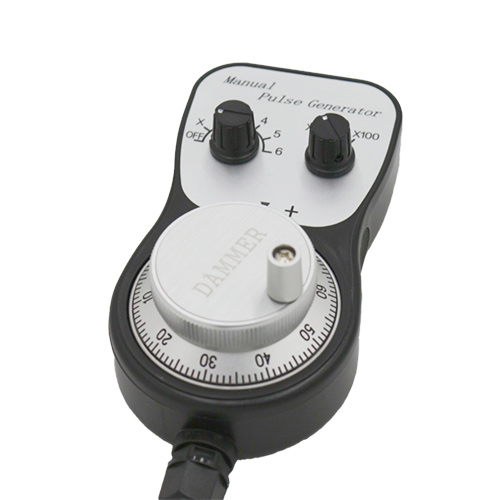
An electronic pulse generator is a critical piece of lab equipment used to create precise electrical pulses for testing, measurement, and signal simulation. As a manufacturer of high-quality electronic pulse generators, we design our devices to deliver accuracy, stability, and versatility for a wide range of applications. Pulse generators have evolved significantly over the years, from simple oscillators to advanced digital systems capable of producing high-frequency, high-precision pulses. Today, they are essential tools in electronics laboratories, industrial testing, and educational environments.
Understanding how an electronic pulse generator works is vital for engineers, researchers, and technicians who rely on accurate signal generation to perform experiments, calibrate devices, or simulate real-world conditions.
Core Components of an Electronic Pulse Generator
A typical electronic pulse generator is made up of several key components that work together to produce precise pulses:
- Power Supply and Voltage Regulation: Ensures consistent operation and protects sensitive components.
- Oscillator Circuit: Generates the base frequency of the pulse. This can be analog or digital depending on the design.
- Control Module: Allows users to adjust pulse width, frequency, and duty cycle.
- Output Stage and Signal Shaping: Converts the generated signal into a stable pulse with defined amplitude and waveform.
These components work together to ensure that the pulse generator delivers reliable performance in laboratory experiments, industrial testing, and electronics development.
How an Electronic Pulse Generator Works
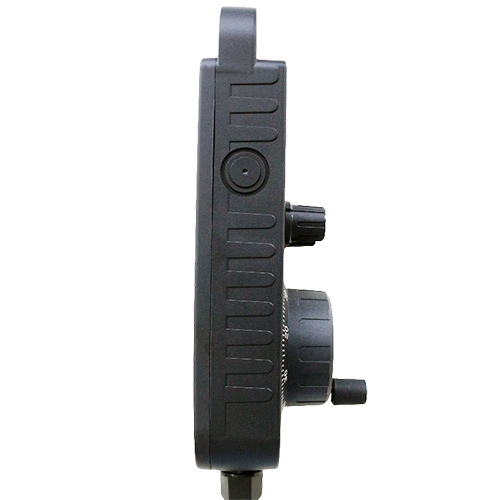
Electronic pulse generators produce pulses by controlling voltage or current in a circuit over a defined time interval. The basic principle involves charging and discharging a capacitor or using a digital timing mechanism to create a repeatable on/off signal. Engineers can adjust key parameters such as frequency, pulse width, and amplitude, which determine how the pulse behaves and how it can be applied in different scenarios.
Common pulse waveforms include square waves, rectangular pulses, and single-shot pulses, each suited for specific testing applications. High precision pulse generators are particularly important in scientific research, where even minor fluctuations in timing or amplitude can affect results.
Types of Electronic Pulse Generators
Electronic pulse generators come in various types designed for different applications:
- High Precision Pulse Generators: Used in laboratories for accurate timing experiments and calibration.
- Portable and Compact Pulse Generators: Ideal for field testing or on-site diagnostics.
- Industrial Pulse Generators: Designed for manufacturing environments, providing high reliability and durability.
Selecting the right type depends on the specific requirements of your lab, research project, or industrial process.
Key Applications of Pulse Generators
Electronic pulse generators serve multiple industries and purposes:
- Laboratory Experiments and Research: Precise signal generation for testing circuits and components.
- Testing and Calibration of Electronic Devices: Ensures devices meet performance standards.
- Industrial Automation and Signal Simulation: Simulates real-world signals in manufacturing processes.
- Electronics Education and Training: Helps students understand the principles of signal generation.
How to Choose the Right Pulse Generator
When selecting an pulse generator, consider the following factors:
- Accuracy and Precision: High precision is essential for laboratory applications.
- Frequency Range: Determines the types of signals you can generate.
- Output Type: Analog or digital output depending on your application.
- Budget and Reliability: Compare affordable models with high-end precision units to match your needs.
Here’s a comparison table for guidance:
| Feature | High Precision Model | Standard Model | Portable Model |
|---|---|---|---|
| Frequency Range | 0.1 Hz – 10 MHz | 1 Hz – 1 MHz | 0.1 Hz – 500 kHz |
| Pulse Width Accuracy | ±0.01% | ±0.1% | ±0.5% |
| Output Type | Analog/Digital | Analog | Digital |
| Recommended Use | Laboratory/Research | Educational/Testing | Field/Portable |
Pulse Generator Circuit Diagrams and Design Tips
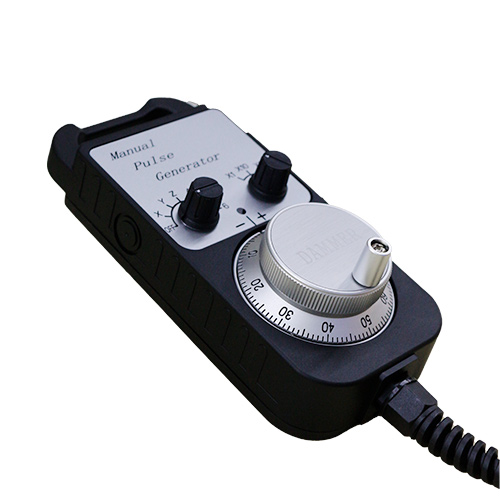
Understanding pulse generator circuits can help engineers optimize their designs and troubleshoot issues. Common designs include monostable, astable, and bistable multivibrator circuits, often implemented using integrated circuits or microcontrollers. Proper shielding, power regulation, and signal conditioning are essential to ensure stable and accurate pulse output.
Maintenance and Troubleshooting of Electronic Pulse Generators
Proper maintenance ensures the longevity and reliability of your pulse generator:
- Keep the device clean and free from dust.
- Regularly check connections and cables for wear.
- Calibrate periodically using standard references.
Common troubleshooting issues include signal distortion, frequency drift, or output instability, which can often be resolved by checking the power supply, verifying circuit components, or consulting the manufacturer.
Innovations and Future Trends in Electronic Pulse Generators
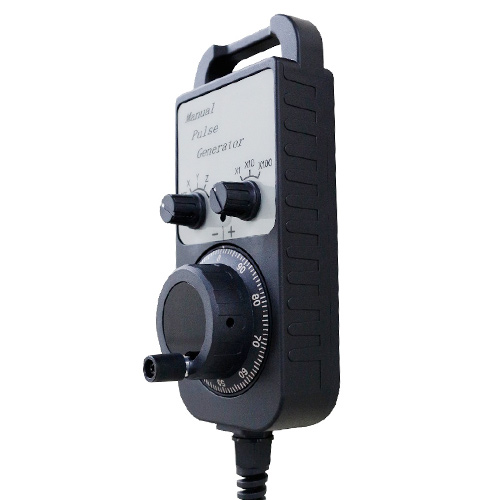
Electronic pulse generators continue to advance with technology:
- Integration with digital control systems allows more precise and programmable pulse patterns.
- IoT-enabled pulse generators can be monitored and adjusted remotely.
- Emerging applications in biomedical engineering, communications testing, and industrial automation are driving innovation.
As a manufacturer, we continually update our product line to incorporate these trends, ensuring that engineers and researchers have access to the latest technology.
Conclusion
Electronic pulse generators are essential tools for engineers, researchers, and educators. Understanding how they work, selecting the right model, and maintaining them properly ensures accurate and reliable signal generation. As a manufacturer of high-quality electronic pulse generators, we design products that combine precision, durability, and usability for a wide range of applications. Whether for laboratory research, industrial testing, or educational purposes, our pulse generators provide the performance and reliability you need to achieve successful results.
FAQ
1. What is an electronic pulse generator?
An electronic pulse generator is a device that produces precise electrical pulses used for testing, calibration, and signal simulation in labs and industrial applications.
2. How does a high precision pulse generator work?
It generates pulses by controlling voltage or current in a circuit, allowing adjustments of frequency, pulse width, and amplitude for accurate testing and measurements.
3. What are the common applications of electronic pulse generators?
They are used in laboratory experiments, electronics education, industrial automation, device testing, and signal simulation for research or production purposes.
4. How do I choose the right electronic pulse generator for my lab?
Consider factors like frequency range, pulse width accuracy, output type (analog or digital), and reliability to match your testing or research requirements.
5. Can electronic pulse generator circuits be customized?
Yes, engineers can design circuits with adjustable parameters, waveform types, and output settings to meet specific testing, calibration, or industrial needs.