-
WhatsAPP: +86 18706448138
-
Tengzhou, Shandong, China

Innovative Electrical Solutions for CNC Machines
Innovative Electrical Solutions for CNC Machines

How to Improve Machining Accuracy with a Precision Lathe
Learn how to achieve precise machining results with our high-quality precision lathe. Tips, maintenance, and upgrades for professional and hobby projects.
Table of Contents
Precision lathes are essential tools for achieving high-quality results in metalworking and machining. As a manufacturer of these machines, we understand the importance of accuracy and consistency in every cut. In this guide, we will share actionable tips to improve machining results, highlight common challenges, and provide insights for both professionals and hobbyists.
Understanding Precision Lathes and Their Benefits
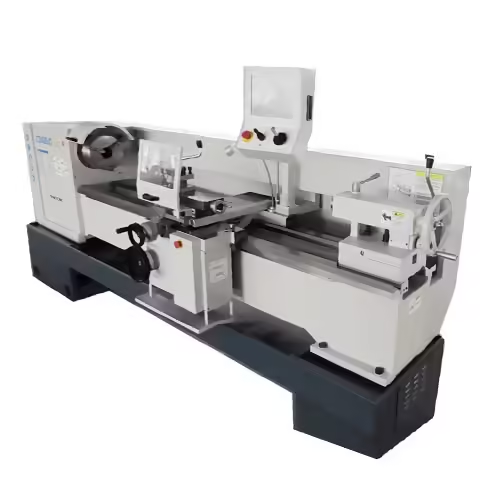
A precision lathe provides superior accuracy compared to standard lathes. Enhanced spindle rigidity, precise tool alignment, and minimal vibration allow operators to achieve tight tolerances and excellent surface finishes.
High machining accuracy is critical for industries such as aerospace, automotive, and fine metalworking. Using a well-designed lathe ensures that components meet specifications, reducing material waste and increasing efficiency.
Factors Affecting Machining Accuracy
Several factors can influence performance:
- Tool alignment and calibration: Misaligned tools can result in uneven cuts.
- Workpiece material and rigidity: Softer or flexible materials may shift during machining.
- Spindle precision and vibration control: A stable spindle ensures consistent cuts.
- Temperature and workshop conditions: Thermal expansion or vibrations can subtly affect results.
Understanding these factors allows operators to make adjustments and maintain high-quality outcomes.
Tips for Optimizing Your Lathe
To maximize machine performance, follow these strategies:
- Ensure proper setup and leveling before starting any project.
- Choose the right cutting tools, speeds, and feeds for each material.
- Maintain consistent lubrication and follow a regular maintenance routine.
- Use measuring instruments like dial indicators or micrometers to verify dimensions.
Implementing these practices improves surface finishes and accuracy.
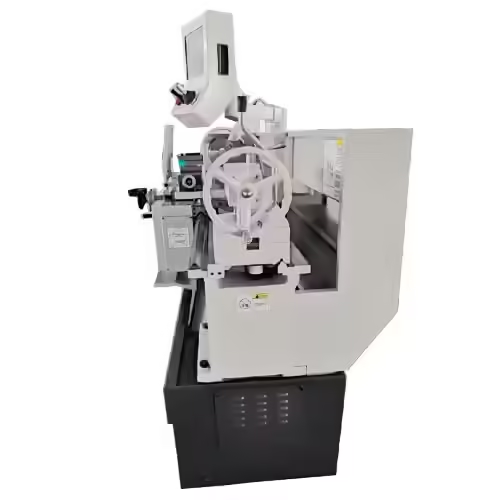
Common Challenges in Lathe Operations
Even experienced operators encounter issues that can reduce precision:
- Surface finish problems: Caused by tool wear, improper speeds, or vibration.
- Dimensional inaccuracies: Often due to spindle runout or misalignment.
- Chatter and vibration: Can create uneven surfaces and reduce tolerance.
Proper setup, tool selection, and calibration can prevent most problems.
Upgrading Your Lathe for Better Accuracy
Enhancing your lathe with advanced components can improve results:
- Digital readouts and CNC integration provide precise positioning.
- High-precision tool holders and fixtures reduce tool movement.
- Advanced spindle and bearing systems improve stability and longevity.
Upgrades like these help your machine deliver professional-level performance.
Lathe Applications in Industry
These machines are widely used across various fields:
| Industry | Common Application | Key Benefits |
|---|---|---|
| Aerospace | Aircraft component machining | Tight tolerances, high safety |
| Automotive | Engine parts, shafts, custom components | Durability, precise fit |
| Jewelry and watchmaking | Small, intricate parts | Fine detail, perfect finish |
| Prototyping & custom parts | One-off production | Accuracy, minimal waste |
These applications demonstrate the versatility of a high-quality lathe.
DIY and Hobbyist Projects
Lathes are also valuable for hobbyists. Small-scale projects, such as custom fittings or metal models, allow beginners to practice machining techniques. When selecting a machine for personal use, consider bed size, spindle speed, and tool capabilities to achieve reliable results even on a budget.
Maintenance and Troubleshooting
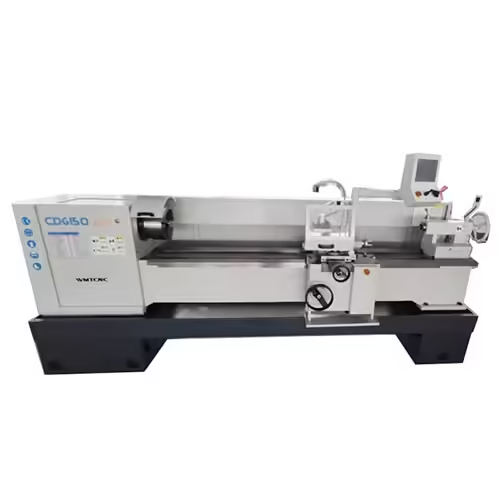
Maintaining your lathe is essential for consistent results:
- Establish a regular calibration schedule.
- Avoid common mistakes, such as neglecting lubrication or using worn tools.
- Learn quick troubleshooting techniques to resolve dimensional or surface issues efficiently.
A well-maintained machine consistently produces high-quality results.
Choosing the Right Machine for Your Needs
When selecting a lathe, consider:
- Material compatibility: Ensure the machine can handle the materials you work with.
- Accuracy and tolerance requirements: Match the machine’s specifications with your project needs.
- Additional features: Digital readouts, variable speeds, and advanced tool holders enhance usability.
As a manufacturer, our lathes are engineered to provide accuracy, durability, and reliability for both professional and hobbyist applications.
Conclusion
Improving machining accuracy requires attention to setup, tool selection, maintenance, and understanding operational factors. Whether producing complex industrial components or hobbyist projects, a well-maintained machine ensures precise, consistent results.
Investing in quality equipment and following best practices enhances work quality, maximizes efficiency, and reduces waste. Explore our products today to experience the difference professional-grade accuracy can make in your projects.
FAQ: Precision Lathe
Q1: What is a precision lathe?
A precision lathe is a high-accuracy machine tool designed for turning metal or other materials with minimal deviation, ensuring tight tolerances and smooth finishes.
Q2: How can I improve machining accuracy with a precision lathe?
You can improve accuracy by proper tool alignment, regular calibration, selecting the right cutting speed and feed, and maintaining your lathe consistently.
Q3: What industries use precision lathes?
Precision lathes are commonly used in aerospace, automotive, jewelry, watchmaking, prototyping, and custom part manufacturing where high accuracy is required.
Q4: How often should I maintain my precision lathe?
Routine maintenance, including lubrication, spindle inspection, and calibration, should be performed regularly—typically after every 50–100 operating hours or as recommended by the manufacturer.
Q5: Can hobbyists use a precision lathe?
Yes, hobbyists can use precision lathes for small metalworking projects. Choosing a lathe with appropriate size, digital readout, and stability ensures accurate results even for beginners.