-
WhatsAPP: +86 18706448138
-
Tengzhou, Shandong, China

Innovative Electrical Solutions for CNC Machines
Innovative Electrical Solutions for CNC Machines

How Industrial Oil Skimmers Work: A Complete Guide for Manufacturers
Learn how industrial oil skimmers work, their applications, maintenance tips, and buying guide to optimize oil recovery in manufacturing facilities.
Industrial oil skimmers are essential tools in modern manufacturing, helping factories and facilities efficiently remove oil from water and coolant tanks. As a manufacturer of industrial oil skimmers, we understand the critical role these devices play in maintaining clean and safe work environments, reducing environmental impact, and saving operational costs. This guide provides a comprehensive overview of industrial oil skimmers, including their function, applications, maintenance, and the latest innovations in oil recovery technology.
Table of Contents
What is an Industrial Oil Skimmer?
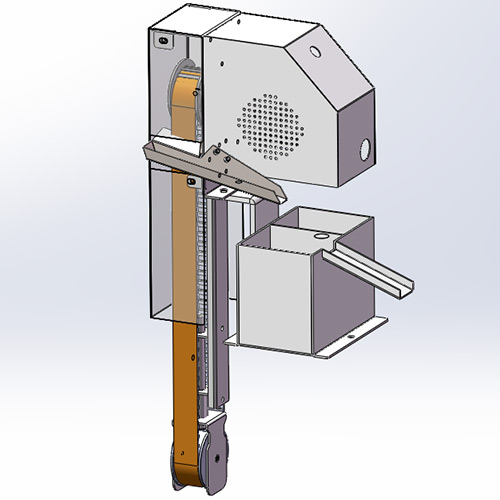
An industrial oil skimmer is a mechanical device designed to remove oil floating on the surface of liquids. These devices are commonly used in metalworking, machining, wastewater treatment, and chemical processing industries. The main components include a belt or disc for oil collection, a pump to remove the oil, and a motor to drive the system.
Different types of skimmers cater to different applications:
- Belt skimmers: Ideal for continuous oil removal in medium to large tanks.
- Disc skimmers: Efficient for removing thin layers of oil in small to medium tanks.
- Tube skimmers: Used for precision oil removal in narrow or hard-to-reach areas.
By understanding the type of industrial oil skimmer suitable for your operation, you can optimize oil recovery and extend the life of your coolant or water systems.
How Industrial Oil Skimmers Remove Oil Efficiently
Industrial oil skimmers work by exploiting the difference in density between oil and water. Oil floats on the liquid surface and is collected using belts or discs coated with a material that attracts oil while repelling water. The collected oil is then removed via a built-in pump and transferred to a recovery container.
Key factors affecting efficiency include:
- Temperature of the liquid: Higher temperatures may reduce oil viscosity, making it easier to collect.
- Type of oil: Light oils spread thinner than heavy oils, which can impact skimmer choice.
- Tank size and design: Properly sized skimmers ensure continuous oil removal without overflow or waste.
Continuous oil removal prevents emulsification, maintains coolant quality, and reduces disposal costs.
Applications of Oil Skimmers
Industrial oil skimmers are versatile and widely used across various industries:
- Metalworking and machining: Removes tramp oil from cutting fluids to prolong tool life.
- Coolant tank maintenance: Keeps water-based coolants clean, reducing bacteria growth and unpleasant odors.
- Wastewater treatment: Separates oil from industrial effluent, helping facilities meet environmental regulations.
- Food processing and chemical plants: Removes oils from tanks and prevents cross-contamination.
By implementing skimmers in these applications, manufacturers can maintain cleaner systems, improve safety, and reduce operating costs.
Choosing the Right Industrial Oil Skimmer for Your Facility
Selecting the appropriate industrial oil skimmer involves several considerations:
- Capacity and tank size: Ensure the skimmer matches the volume and surface area of your tank.
- Belt vs. disc: Belt skimmers are suitable for larger tanks, while disc skimmers are better for thin layers of oil.
- Automation vs. manual operation: Automatic skimmers reduce labor costs and ensure consistent performance.
- Material compatibility: Consider corrosion-resistant materials for chemical or saline environments.
| Skimmer Type | Ideal Tank Size | Oil Layer Thickness | Automation | Maintenance Level |
|---|---|---|---|---|
| Belt Skimmer | Medium to Large | Medium to Thick | Automatic/Manual | Moderate |
| Disc Skimmer | Small to Medium | Thin | Automatic/Manual | Low |
| Tube Skimmer | Narrow/Precision | Thin | Manual | Low |
This comparison helps manufacturers choose the most suitable skimmer for their specific requirements.
Maintenance Tips for Long-Term Performance
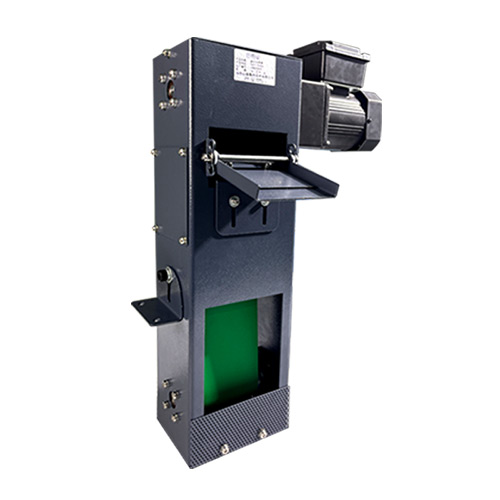
Proper maintenance is essential to ensure your oil skimmer operates efficiently over time:
- Daily checks: Inspect belts or discs for wear and ensure the pump operates smoothly.
- Weekly cleaning: Remove accumulated debris and clean oil collection surfaces.
- Monthly inspection: Check motor function, alignment, and belt tension.
- Troubleshooting: Address issues such as reduced oil collection or mechanical wear promptly to avoid downtime.
Regular maintenance not only prolongs the life of your equipment but also maintains the quality of your recovered oil.
Benefits of Using Industrial Oil Skimmers
Integrating an industrial oil skimmer into your facility brings multiple advantages:
- Cost savings: Recover valuable oil for reuse, reducing purchase and disposal costs.
- Environmental compliance: Proper oil removal helps meet regulations for wastewater treatment.
- Extended coolant lifespan: Keeps cutting fluids clean, reducing replacement frequency.
- Enhanced safety and cleanliness: Minimizes slippery surfaces and fire hazards caused by oil accumulation.
These benefits demonstrate why industrial oil skimmers are an essential investment for any modern manufacturing operation.
Innovations and Emerging Technologies
The oil skimmer industry is evolving with new technologies to improve efficiency and usability:
- Automatic sensors: Detect oil layers and activate skimmers only when needed, reducing energy use.
- Smart control systems: Allow remote monitoring and integration with factory automation.
- High-capacity models: Designed for large tanks and heavy-duty operations.
- Eco-friendly solutions: Use biodegradable materials and energy-efficient motors to reduce environmental impact.
These innovations help manufacturers stay competitive while maintaining sustainable operations.
Common Challenges and How to Solve Them
Even with proper equipment, some challenges may arise:
- Reduced oil removal efficiency: May be caused by emulsified oils or improper skimmer type.
- Belt or disc wear: Regular inspection and replacement of worn parts prevent downtime.
- Tank design limitations: Adjust skimmer placement or use multiple skimmers for optimal coverage.
- Oil viscosity changes: Adjust skimmer speed or choose suitable collection surfaces.
Understanding these challenges and proactive maintenance ensures continuous and efficient oil recovery.
Industrial Oil Skimmer Buying Guide for Manufacturers
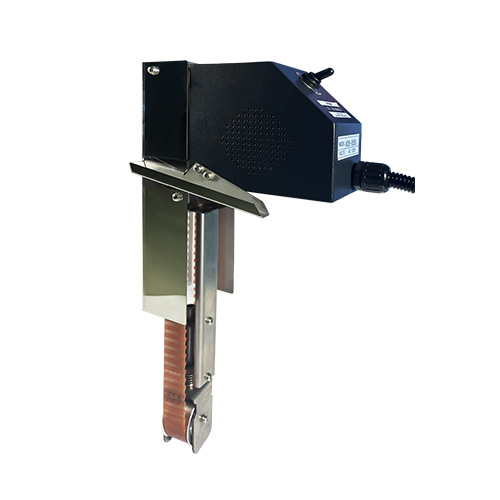
When purchasing an oil skimmer, consider the following:
- Specifications: Flow rate, tank compatibility, material durability, and skimmer type.
- Supplier reliability: Choose manufacturers with proven experience in oil skimmers.
- Cost vs. performance: Compare features and efficiency against investment costs.
- Custom solutions: Some facilities may require skimmers tailored to large-scale operations or specialized tanks.
A well-informed purchasing decision ensures long-term cost savings and operational efficiency.
Conclusion
Industrial oil skimmers are a crucial component of modern manufacturing facilities, offering effective oil recovery, environmental compliance, and improved workplace safety. By understanding the types, applications, maintenance requirements, and latest technological innovations, manufacturers can optimize their operations, reduce costs, and enhance sustainability.
As a manufacturer of industrial oil skimmers, we are committed to providing high-quality, reliable equipment designed for long-term performance. Explore our range of industrial oil skimmers today and find the perfect solution for your facility.
FAQ
Q1: What is an industrial oil skimmer?
A: An industrial oil skimmer is a device used to remove oil from the surface of water or coolant tanks, preventing contamination and improving operational efficiency.
Q2: How does an industrial oil skimmer work?
A: It collects oil using belts, discs, or tubes that attract oil while repelling water, then pumps the collected oil into a container for recovery or disposal.
Q3: Where are industrial oil skimmers commonly used?
A: They are widely used in metalworking, machining, wastewater treatment, chemical processing, and food industry applications.
Q4: What types of industrial oil skimmers are available?
A: The main types include belt skimmers, disc skimmers, and tube skimmers, each designed for different tank sizes and oil layer thicknesses.
Q5: How do I maintain an industrial oil skimmer?
A: Regularly inspect belts or discs, clean the collection surfaces, check the pump and motor, and replace worn parts to ensure efficient oil removal.