-
WhatsAPP: +86 18706448138
-
Tengzhou, Shandong, China
Innovative Electrical Solutions for CNC Machines
Innovative Electrical Solutions for CNC Machines

Industrial Tramp Oil Skimmers: Maintenance Tips and Best Practices
Learn how industrial tramp oil skimmers improve coolant life, reduce maintenance costs, and boost efficiency in metalworking and CNC operations.
Table of Contents
Introduction to Industrial Oil Removal Systems

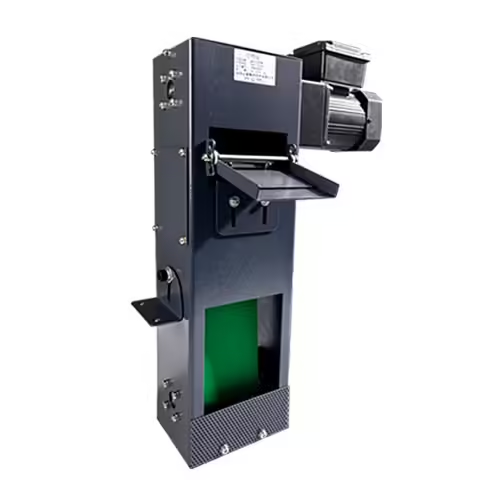
Oil removal systems are essential in industrial operations, especially in metalworking and CNC machine shops. These devices efficiently remove floating oil, grease, and other contaminants from coolant systems, extending the life of cutting fluids and maintaining machinery performance. Without proper oil removal, surface oil can accumulate, leading to coolant contamination, bacterial growth, and increased maintenance costs. As a manufacturer of industrial skimmers, we design solutions that maximize efficiency and minimize operational downtime.
How Industrial Skimmers Work
Industrial skimmers operate using various mechanisms to separate oil from water-based fluids. Common types include:
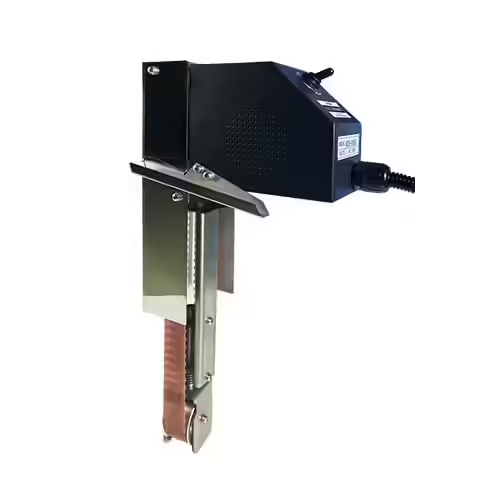
- Belt skimmers – a continuous belt lifts oil from the surface.
- Disc skimmers – a rotating disc collects surface oil as it passes through the fluid.
- Tube skimmers – absorbent tubes or drums remove floating oil.
- Coalescer skimmers – aggregate small oil droplets for easier removal.
These systems are designed to continuously remove oil without interrupting production, keeping coolant systems clean and machinery running smoothly.
Applications in Manufacturing
Oil removal systems are widely used across industrial settings, particularly in:
- Metalworking and CNC shops – removing oils from cutting fluids.
- Machining centers – maintaining coolant cleanliness and preventing bacterial growth.
- Automotive and aerospace workshops – protecting high-precision equipment.
Integrating industrial skimmers reduces fluid waste, improves product quality, and lowers operational costs.
Maintenance Tips for Optimal Performance
To ensure long-term efficiency, regular maintenance of your oil removal system is critical. Best practices include:
- Inspecting belts, discs, and drums for wear or damage.
- Cleaning skimmer surfaces and oil collection trays weekly.
- Replacing consumable parts as recommended by the manufacturer.
- Checking fluid levels and skimmer alignment to avoid inefficiency.
- Monitoring coolant contamination and adjusting settings as needed.
Proper maintenance prevents downtime and ensures continuous, effective operation.
Troubleshooting Common Issues
Even reliable industrial skimmers may encounter operational challenges. Common problems include:
- Reduced oil removal efficiency – often caused by misaligned belts or discs.
- Coolant contamination after skimming – may result from improper skimmer placement.
- Excessive sludge accumulation – requires frequent cleaning of oil collection trays.
Addressing these issues promptly maintains system reliability and reduces maintenance costs.
Choosing the Right Industrial Skimmer
Selecting the appropriate oil removal system depends on several factors:
| Factor | Considerations | Recommendation |
|---|---|---|
| Capacity | Volume of oil and fluid to handle | Choose a system suitable for peak output |
| Application | Type of machinery (CNC, metalworking) | Match the skimmer type to fluid and machine |
| Size | Space available in the workstation | Compact systems for small workshops, larger for industrial setups |
| Cost | Budget vs. long-term savings | Focus on ROI through extended fluid life and reduced maintenance |
| Features | Automation, oil disposal, durability | Opt for durable, low-maintenance, and automated options |
Evaluating these factors ensures your facility selects a system that maximizes efficiency and minimizes operational costs.
Benefits of Oil Removal Systems
Implementing an industrial skimmer offers multiple advantages:
- Extends the life of coolant and cutting fluids – reducing replacement frequency.
- Reduces environmental impact – proper oil removal prevents waste and contamination.
- Improves machinery performance – clean fluids reduce wear on CNC machines and metalworking tools.
- Cost savings – lowers maintenance and fluid replacement costs over time.
These benefits make industrial skimmers an essential investment for manufacturing operations.
Installation and Safety Guidelines
Proper installation and safety procedures ensure efficient and safe operation:
- Position the skimmer correctly in the coolant tank for optimal oil recovery.
- Follow manufacturer instructions for securing and aligning belts, discs, or drums.
- Ensure safety guards are in place to prevent accidents.
- Integrate with existing CNC or metalworking systems without disrupting workflow.
- Consider optional accessories such as automated oil disposal units to reduce manual handling.
Innovations and Future Trends
Modern oil removal systems continue to evolve. Smart and automated skimmers now monitor oil levels, adjust skimming speed, and integrate with factory management systems. These innovations improve efficiency, reduce labor, and provide real-time data for proactive maintenance. Investing in the latest technology ensures your facility remains competitive and sustainable.
Conclusion
Industrial tramp oil skimmers play a crucial role in maintaining clean coolant systems, protecting machinery, and reducing operational costs. Following proper maintenance tips and best practices allows workshops to extend fluid life, prevent contamination, and maximize production efficiency. As a manufacturer of high-quality industrial skimmers, we provide solutions tailored to a wide range of industrial applications. Explore our products today to find the right system for your facility and experience the benefits of efficient oil removal firsthand.
FAQ: Tramp Oil Skimmer
1. What is a tramp oil skimmer and how does it work?
A tramp oil skimmer is an industrial system designed to remove floating oils and grease from coolant or water-based fluids. It works by using a belt, disc, or drum to collect surface oil, keeping coolant systems clean and machinery running efficiently.
2. Why do I need a tramp oil skimmer in my CNC or metalworking shop?
Using a tramp oil skimmer helps prevent coolant contamination, extends the life of cutting fluids, reduces maintenance costs, and improves overall equipment performance in metalworking and CNC operations.
3. What types of tramp oil skimmers are available?
Common types include belt skimmers, disc skimmers, tube skimmers, and coalescer skimmers. Each type is suitable for different industrial applications, fluid volumes, and machine setups.
4. How often should I maintain or clean my tramp oil skimmer?
Maintenance depends on usage, but generally, belts or discs should be inspected weekly, consumable parts replaced as needed, and oil collection trays cleaned regularly to ensure optimal performance.
5. Can a tramp oil skimmer help reduce operational costs?
Yes. By keeping coolant and cutting fluids clean, tramp oil skimmers minimize fluid replacement and machinery wear, helping factories save on maintenance and operational expenses over time.