-
WhatsAPP: +86 18706448138
-
Tengzhou, Shandong, China

Innovative Electrical Solutions for CNC Machines
Innovative Electrical Solutions for CNC Machines

Oil Mist Collector Systems for CNC Machines: What You Need to Know
Learn how oil mist collector systems protect CNC machines, improve air quality, and boost workshop efficiency. Expert tips from the manufacturer.
Table of Contents
Introduction to Oil Mist Collector Systems
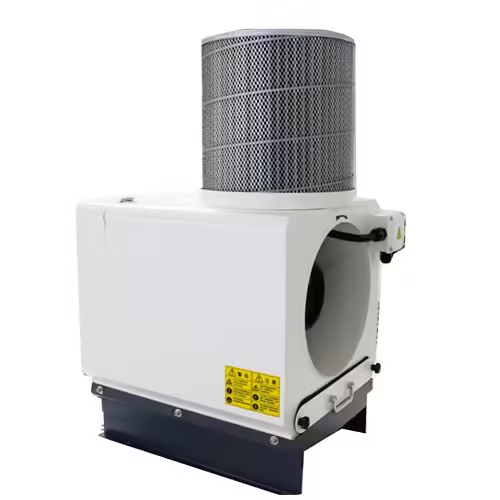
Oil mist is a common byproduct of CNC machining, produced when cutting fluids or lubricants vaporize during high-speed operations. If not properly managed, oil mist can compromise the health of operators, damage machinery, and create a slippery and hazardous work environment. High-quality oil mist collector systems are essential for maintaining a safe and efficient workspace. As a manufacturer of industrial oil mist collector systems, we design our products to provide reliable performance and long-term value for CNC machine operations.
How Oil Mist Collector Systems Work
Oil mist collector systems function by capturing airborne oil particles and separating them from the air before it is released back into the environment. Most systems utilize a combination of mechanical filters, HEPA filters, and electrostatic precipitators to remove fine mist particles. Airflow and filtration efficiency are key parameters in determining the system’s effectiveness. Proper integration with CNC machines ensures that the system operates efficiently without interrupting manufacturing processes.
Types of Oil Mist Collector Systems
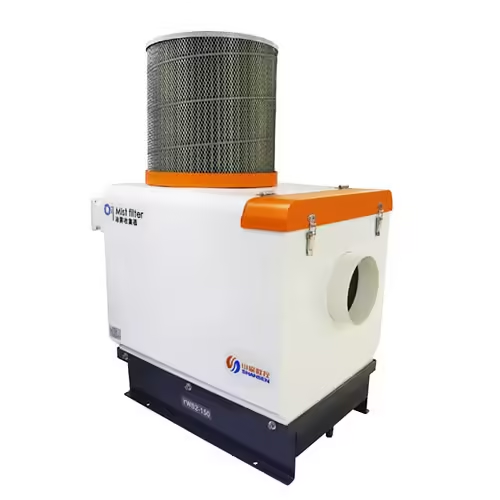
Oil mist collector systems come in several types to meet different operational needs:
- Portable and compact units for small workshops
- High-capacity industrial systems for large manufacturing plants
- Integrated systems that connect directly to CNC machines
- Standalone systems for flexible placement in production areas
Different machining processes, such as turning, milling, or grinding, may require specialized systems to handle the volume and type of oil mist generated.
Benefits of Using Oil Mist Collector Systems for CNC Machines
Implementing an oil mist collector system provides numerous advantages:
- Improves air quality, protecting operators’ respiratory health
- Extends the lifespan of CNC machines and cutting tools
- Reduces maintenance costs and downtime
- Enhances overall production efficiency and workplace cleanliness
By using high-efficiency oil mist collector systems from a trusted manufacturer, companies can achieve consistent performance and long-term operational savings.
Installation and Integration Tips
Proper installation is critical to ensure optimal performance:
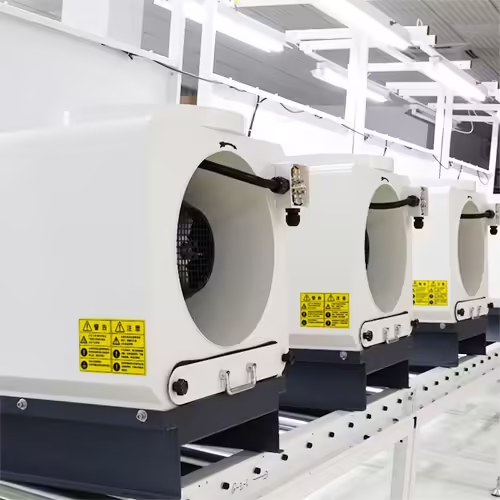
- Position the system close to CNC machines to capture mist at the source
- Plan ductwork and airflow paths carefully to minimize resistance
- Ensure proper electrical connections and system controls
- Check compatibility with existing ventilation systems to maximize efficiency
A well-integrated system not only captures mist effectively but also reduces energy consumption and maintenance requirements.
Maintenance and Troubleshooting
Regular maintenance keeps oil mist collector systems running at peak performance:
- Replace filters according to manufacturer recommendations
- Clean accumulated oil residues from collection trays
- Monitor airflow and pressure drops to detect potential issues
- Troubleshoot unusual noise or decreased efficiency promptly
Proactive maintenance prolongs system life and ensures continuous protection for CNC operations.
Choosing the Right Oil Mist Collector System
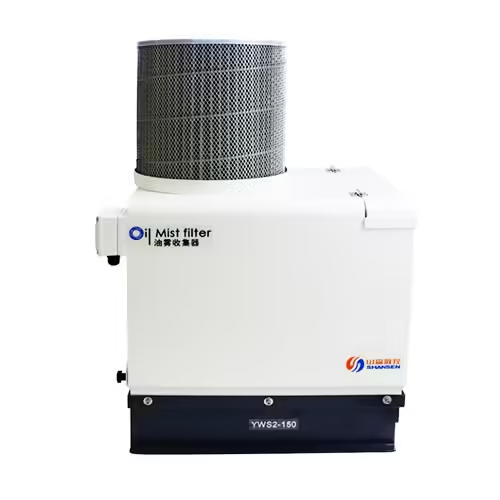
Selecting the correct system depends on multiple factors:
- Number of CNC machines and processing types
- Required airflow and filtration efficiency
- Noise level limitations in the workspace
- Budget and long-term ROI considerations
| Feature | Recommendation | Notes |
|---|---|---|
| Airflow Capacity | 500–1500 CFM | Depends on machine size and number |
| Filtration Type | HEPA + Oil Separator | Ensures maximum particle removal |
| Noise Level | <65 dB | Maintains a comfortable working environment |
| Maintenance Frequency | Every 3–6 months | Adjust based on usage intensity |
| System Type | Portable, Integrated, or Industrial | Match to shop layout and production scale |
This table helps manufacturers quickly identify which system aligns with their CNC setup.
Industry Applications and Case Studies
Oil mist collector systems are widely used across industries:
- Aerospace: High-precision milling requires clean air to maintain tolerances
- Automotive: Metal cutting and grinding produce large volumes of oil mist
- General manufacturing: Protects operators and extends machine life
In real-world applications, our industrial oil mist collector systems have demonstrated improved air quality, reduced maintenance downtime, and enhanced workplace safety in CNC machining environments.
Common Questions About Oil Mist Collector Systems
- How long does a system last? High-quality systems can last 5–10 years with proper maintenance.
- Can the system handle all types of oils? Yes, systems are designed to manage mineral, synthetic, and semi-synthetic cutting oils.
- Is the system noisy? Most units operate below 65 dB, ensuring a comfortable work environment.
- Can multiple machines be connected? Yes, larger systems support multi-machine integration.
- How do I know if the system is working efficiently? Monitor airflow, pressure, and filter condition regularly.
Conclusion
Oil mist collector systems play a crucial role in maintaining a safe, efficient, and clean CNC machining environment. Using high-quality, high-efficiency systems from a trusted manufacturer ensures long-term reliability, reduced maintenance costs, and improved air quality for operators. Investing in the right oil mist collector system is not only a regulatory and safety requirement but also a smart operational decision. Contact us today to learn more about our industrial oil mist collector systems and how they can enhance your CNC machining operations.
FAQ: Oil Mist Collector Systems
Q1: What are oil mist collector systems used for?
A: Oil mist collector systems capture airborne oil particles from CNC machines and metalworking operations, improving air quality and protecting both workers and equipment.
Q2: How do oil mist collector systems work?
A: These systems use filters, separators, and airflow to trap oil mist at the source, preventing it from spreading in the workshop.
Q3: How often should I maintain my oil mist collector system?
A: Regular maintenance, such as filter replacement and cleaning, is recommended every 3–6 months, depending on usage intensity.
Q4: Can oil mist collector systems handle different types of oils?
A: Yes, most industrial systems are designed to manage mineral, synthetic, and semi-synthetic cutting oils safely and efficiently.
Q5: How do I choose the right oil mist collector system for my CNC machines?
A: Consider factors like airflow capacity, filtration efficiency, number of machines, and workspace size to select a system that matches your operational needs.