-
WhatsAPP: +86 18706448138
-
Tengzhou, Shandong, China

Innovative Electrical Solutions for CNC Machines
Innovative Electrical Solutions for CNC Machines

What Is a Small Dust Collector and How Does It Work?
Learn how a small dust collector works, its types, and tips for choosing the right system to improve air quality and safety in your workspace.
Table of Contents
Introduction
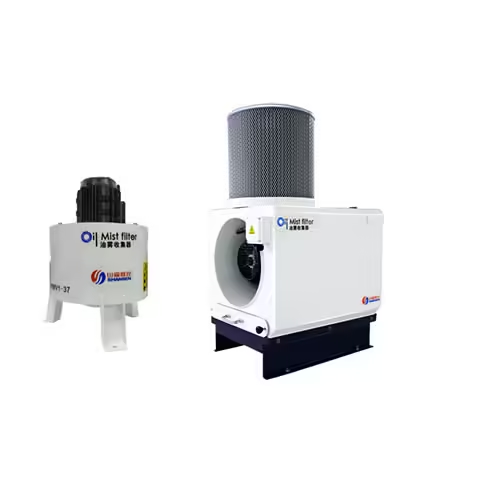
Dust is an unavoidable byproduct in many industrial and workshop environments. Activities such as cutting, grinding, sanding, polishing, and material handling generate fine particles that quickly spread through the air. Over time, these airborne particles can accumulate on machinery, contaminate products, reduce equipment efficiency, and create health risks for workers.
According to occupational safety research published by the International Labour Organization and global workplace safety agencies, prolonged exposure to airborne industrial dust can contribute to respiratory conditions, reduced visibility in workspaces, and increased fire hazards in certain environments. Because of these risks, effective dust management systems have become an essential part of modern production facilities.
One practical and widely adopted solution is the small dust collector. Unlike large centralized dust collection systems used in massive production plants, a small dust collector is designed to provide efficient air filtration for smaller workshops, localized production areas, and individual machines. These compact systems are easier to install, more flexible to operate, and cost-effective for businesses that require targeted dust control.
This article explains what a small dust collector is, how it works, the different types available, and how you can select the right solution for your workspace. Whether you operate a manufacturing workshop, a fabrication facility, or a small production line, understanding dust collection technology can help you create a cleaner, safer, and more productive working environment.
Understanding a Small Dust Collector
What Is a Small Dust Collector
A small dust collector is a compact air filtration system designed to capture, filter, and store dust particles generated during industrial or workshop operations. Its primary function is to remove airborne particulate matter before it spreads throughout the workspace.
These systems typically consist of a fan or blower, a filtration unit, a dust collection container, and a discharge outlet that releases filtered air back into the environment. By continuously circulating air through the filtration system, a small dust collector significantly reduces airborne dust levels.
Compared with large industrial dust collection systems, small dust collectors are designed for localized applications. They are often installed near individual machines or used in workshops where space, budget, or production scale does not justify a centralized dust extraction network.
Because of their compact design, small dust collectors are commonly used in environments such as woodworking shops, metal fabrication workshops, electronics assembly areas, and light manufacturing facilities.
Why Dust Collection Is Important
Dust collection is not only about maintaining cleanliness. It plays a critical role in workplace safety, equipment longevity, and product quality.
Research published in industrial air quality studies indicates that fine particulate matter can remain suspended in the air for extended periods. Without proper filtration, these particles can enter ventilation systems, settle on sensitive components, and be inhaled by workers.
Dust control systems help achieve several important objectives:
Improved air quality
Cleaner air reduces the concentration of airborne particles and contributes to a healthier working environment.
Equipment protection
Dust accumulation inside machinery can cause overheating, premature wear, and reduced operational efficiency.
Improved product quality
In industries that require precision manufacturing, dust contamination can affect surface finishes, electronic components, or coatings.
Regulatory compliance
Many industrial environments must meet air quality standards related to workplace safety.
Because of these factors, implementing a reliable dust collection system is considered a fundamental part of modern industrial facility management.
How a Small Dust Collector Works
Basic Working Principle
Although designs vary, most small dust collectors operate based on a similar principle. They use airflow to capture dust-laden air, separate the particles from the air stream, and release clean air back into the workspace.
The process typically involves three main steps.
Air intake
A fan or blower creates negative pressure that draws dusty air from the workspace into the collection system.
Particle separation
As the air passes through filters or separation chambers, dust particles are captured while clean air continues moving through the system.
Clean air discharge
Filtered air exits through an outlet and returns to the workspace or ventilation system.
This continuous circulation of air gradually reduces dust concentration in the environment.
Key Components of a Small Dust Collector
Understanding the main components of a dust collector helps explain how the system achieves effective filtration.
Fan or blower
The fan generates airflow that pulls dust-laden air into the system. The strength of the blower determines the airflow capacity of the unit.
Filtration system
Filters capture particles from the air stream. Common filter types include cartridge filters, fabric bags, and high-efficiency filtration media.
Dust collection container
Captured particles accumulate in a bin, hopper, or collection bag that can be emptied periodically.
Air outlet system
After filtration, the clean air exits through a discharge outlet or duct system.
The combination of these components allows the dust collector to operate continuously while maintaining high filtration efficiency.
Types of Small Dust Collectors
Different dust collector designs are optimized for different particle sizes, production processes, and workspace conditions.
Bag Filter Dust Collectors
Bag filter collectors use fabric filter bags to trap dust particles. Air passes through the fabric while particles remain trapped on the surface.
These systems are effective for a wide range of dust types and are commonly used in workshops where moderate dust volumes are generated.
Advantages include reliable filtration performance and relatively simple maintenance.
Cartridge Dust Collectors
Cartridge dust collectors use pleated filter cartridges with a large filtration surface area. The design allows for high filtration efficiency, especially for fine particles.
Because of their compact structure and strong filtration capability, cartridge collectors are widely used in precision manufacturing environments.
Cyclone Dust Collectors
Cyclone dust collectors use centrifugal force to separate particles from the air stream. Dust-laden air enters a cylindrical chamber and spins rapidly, forcing heavier particles to move toward the outer wall and fall into a collection chamber.
Cyclone collectors are particularly effective for larger particles and are often used as pre-filters before high-efficiency filtration systems.
Portable Small Dust Collectors
Portable units are designed with mobility in mind. They often include wheels or compact frames that allow them to be moved between different machines or workstations.
These collectors are commonly used in workshops where equipment layouts frequently change.
Key Features of an Efficient Small Dust Collector
When evaluating a small dust collector, several performance characteristics determine how well the system will perform in real-world conditions.
Airflow Capacity
Airflow capacity, typically measured in cubic meters or cubic feet per minute, indicates how much air the system can process. Higher airflow allows the collector to capture dust more effectively across larger work areas.
Selecting the correct airflow capacity depends on the number of machines connected and the amount of dust generated during operation.
Filtration Efficiency
Filtration efficiency measures how effectively the system captures fine particles. High-quality filters can remove extremely small particles that would otherwise remain airborne.
Many advanced filtration systems can capture particles smaller than 1 micron.
Energy Efficiency
Energy efficiency is another important consideration. Modern dust collectors often incorporate optimized motors and airflow designs that reduce power consumption while maintaining strong suction performance.
Efficient systems reduce long-term operating costs while maintaining environmental performance.
Noise Control
Industrial equipment can contribute to workplace noise levels. Some dust collectors incorporate acoustic insulation or optimized fan designs that reduce operational noise, improving the working environment.
Common Applications of Small Dust Collectors
Small dust collectors are used across many industries where localized dust control is required.
Woodworking Workshops
Wood cutting, sanding, and shaping generate significant amounts of wood dust. Fine wood particles can remain suspended in the air and accumulate on surfaces.
Dust collectors help maintain clear air and prevent dust from interfering with woodworking equipment.
Metal Processing
Grinding, polishing, and machining metal components generate metal particles and abrasive dust. Dust collectors help remove these particles before they spread through the workshop.
Welding and Grinding
Welding fumes and grinding dust contain fine metallic particles that require efficient filtration systems. Small dust collectors can be positioned near workstations to capture particles directly at the source.
Manufacturing Facilities
In small and medium manufacturing environments, dust collectors help maintain consistent production conditions by removing airborne contaminants.
Cost and Efficiency Considerations
When selecting a dust collection system, businesses must balance equipment cost, operational efficiency, and long-term maintenance requirements.
The following table summarizes typical performance characteristics of different types of small dust collectors.
| Dust Collector Type | Airflow Capacity | Filtration Efficiency | Suitable Applications |
|---|
| Bag Filter Collector | Medium to High | High | Woodworking, manufacturing workshops |
| Cartridge Collector | High | Very High | Fine dust environments, precision production |
| Cyclone Collector | Medium | Medium | Large particle dust, pre-filtration systems |
| Portable Dust Collector | Low to Medium | Medium | Small workshops and mobile operations |
Choosing the right system involves evaluating the type of dust produced, the number of machines generating dust, and the expected operational hours.
Industry equipment performance reports show that properly matched dust collection systems can reduce airborne dust concentration by more than 90 percent when correctly installed and maintained.
Maintenance and Best Practices
Even the most advanced dust collector requires regular maintenance to maintain optimal performance.
Regular filter cleaning
Filters gradually accumulate dust over time. Cleaning or replacing filters ensures that airflow remains consistent and filtration efficiency remains high.
System inspection
Periodic inspection of fans, duct connections, and seals helps identify potential airflow leaks or mechanical issues.
Proper dust disposal
Collected dust should be removed from collection bins regularly to prevent overflow and maintain system performance.
Establishing a simple maintenance schedule helps extend equipment lifespan and maintain stable dust control performance.
Benefits of Using a Small Dust Collector
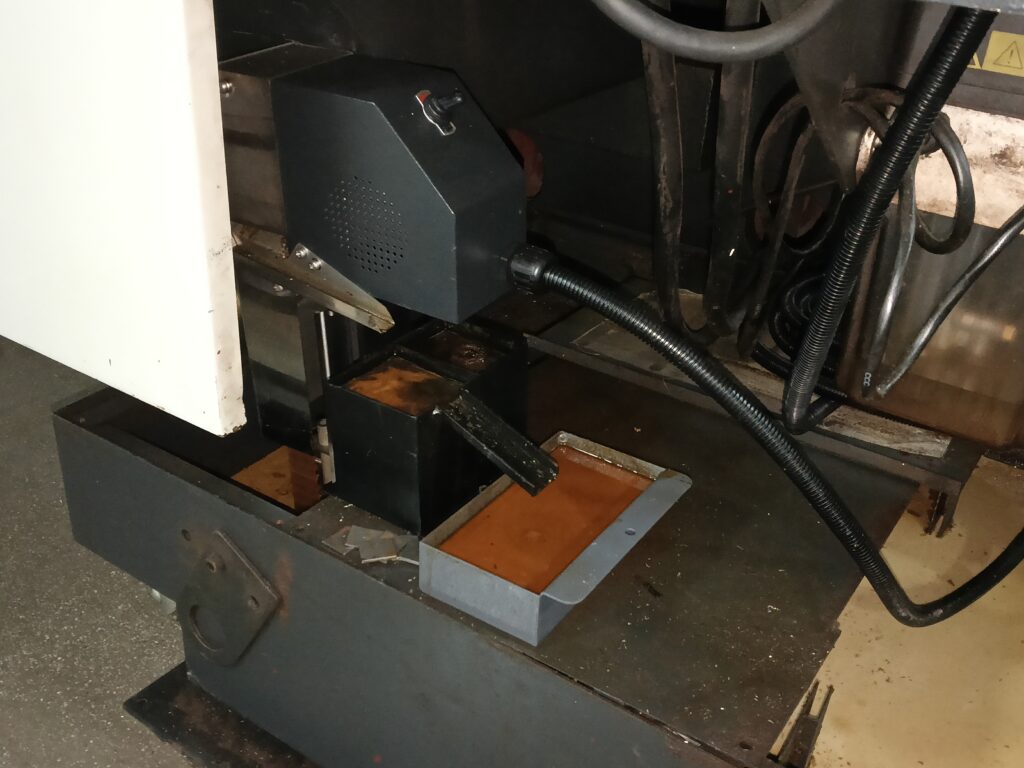
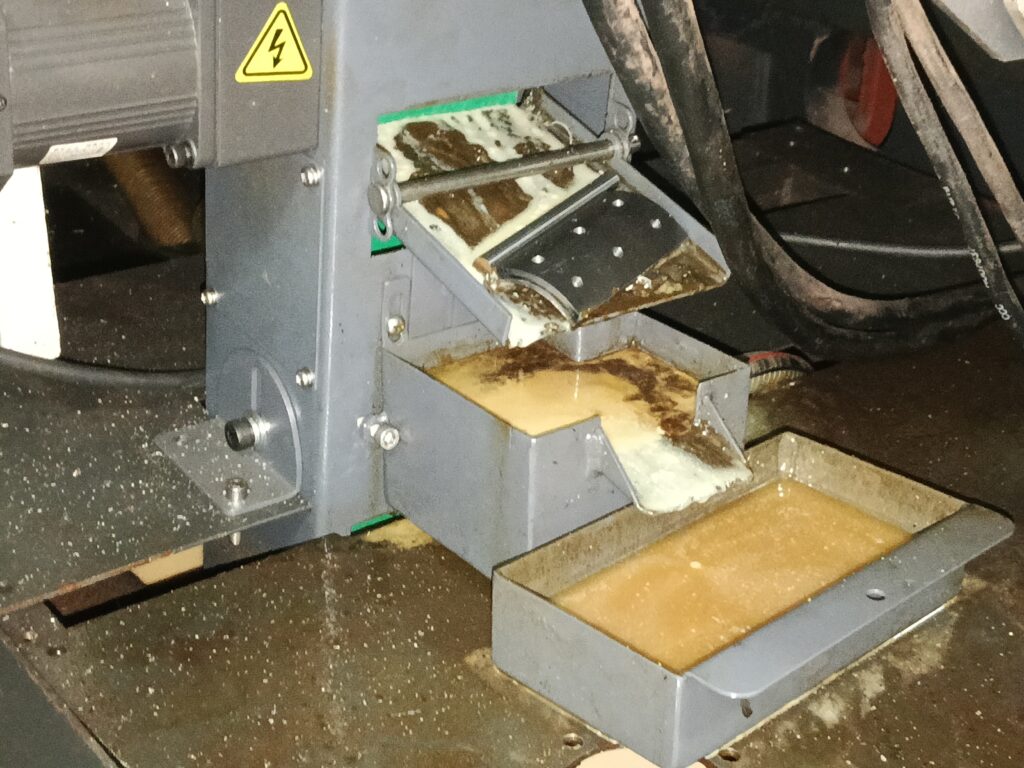
Installing a small dust collector offers several measurable benefits for workshops and production environments.
Improved workplace air quality
Cleaner air contributes to a healthier and more comfortable working environment.
Enhanced equipment reliability
Dust-free machinery operates more efficiently and experiences less mechanical wear.
Better product quality
Reduced contamination improves consistency and finish quality in manufacturing processes.
Higher productivity
Workers can operate more efficiently in a cleaner environment with improved visibility and air quality.
These benefits make dust collection systems a valuable investment for facilities seeking both operational efficiency and workplace safety.
Conclusion
Dust management has become an essential aspect of modern workshop and manufacturing operations. As production processes become more precise and environmental standards become more demanding, controlling airborne particles is no longer optional.
A small dust collector provides a practical and effective solution for localized dust control. By capturing airborne particles at the source and filtering them from the air stream, these systems help maintain cleaner workspaces, protect equipment, and support healthier working conditions.
Understanding how a small dust collector works, the different types available, and the key factors involved in selecting the right system allows you to make informed decisions for your workspace. When properly chosen and maintained, a dust collection system can significantly improve both operational performance and workplace safety.
What is a small dust collector used for?
A small dust collector is used to capture and remove airborne dust generated during processes such as cutting, grinding, sanding, or machining. It helps maintain cleaner air and improves workplace safety.
FAQ
What is a small dust collector used for?
A small dust collector is used to capture and remove airborne dust generated during processes such as cutting, grinding, sanding, or machining. It helps maintain cleaner air and improves workplace safety.
How does a small dust collector work?
A small dust collector works by drawing dusty air into a filtration system using a fan or blower. The filters trap dust particles while clean air is released back into the workspace.
What industries commonly use small dust collectors?
Small dust collectors are commonly used in woodworking, metal processing, welding, grinding, and small manufacturing workshops where dust control is necessary.
How do I choose the right small dust collector?
To choose the right small dust collector, consider factors such as airflow capacity, type of dust generated, workspace size, filtration efficiency, and maintenance requirements.
Can a small dust collector connect to multiple machines?
Yes, some small dust collectors can connect to multiple machines if the airflow capacity and ducting system are designed to support several dust sources at the same time.
Need Help Choosing the Right Small Dust Collector?
If you’re unsure which small dust collector is best for your workshop or production environment, our experts are here to help. Contact us today for a personalized consultation, and we’ll help you find a dust collection solution that improves air quality, protects your equipment, and supports efficient operations. Don’t let dust affect your productivity—get in touch now to create a cleaner and safer workspace.