-
WhatsAPP: +86 18706448138
-
Tengzhou, Shandong, China

Innovative Electrical Solutions for CNC Machines
Innovative Electrical Solutions for CNC Machines

The Ultimate Guide to Workshop Oil Mist Collectors
Learn how workshop oil mist collectors work, how to choose the right model, and maintenance tips from a manufacturer to improve air quality and equipment life.
Table of Contents
As a manufacturer of workshop oil mist collectors, we understand the challenges metalworking shops face every day: oily air, slippery floors, machine corrosion, and health risks for operators. Oil mist is a common byproduct of machining processes such as CNC milling, turning, grinding, and lathe operations. Without a proper filtration system, this mist can settle on equipment, tools, and work surfaces, leading to reduced performance and increased maintenance costs.
In this guide, we’ll explain what a workshop oil mist collector is, how it works, and how to choose the right model for your workshop. We will also discuss maintenance best practices, the benefits of using an oil mist collector, and why purchasing directly from a manufacturer can save you time and money.
What Is a Workshop Oil Mist Collector and Why Your Shop Needs One
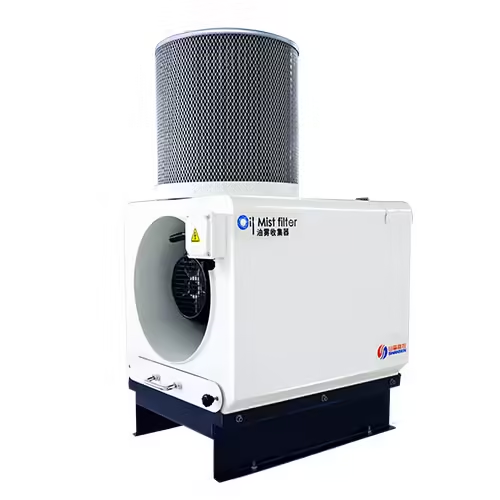
A workshop oil mist collector is a specialized filtration device designed to capture oil mist generated during metalworking processes. Oil mist is made of tiny droplets of oil suspended in the air, often produced by high-speed machining and coolant-based cutting operations. Over time, oil mist can form a greasy film on everything it touches, including machine surfaces, windows, and even workers’ clothing.
Metalworking workshops generate oil mist in several ways:
- CNC machining (milling, turning, drilling)
- Grinding and sanding
- Lathe cutting and threading
- Milling and cutting with coolant
If left untreated, oil mist creates several issues:
- Health risks: Prolonged exposure can irritate the respiratory system and skin.
- Fire hazard: Oil mist is combustible, especially in enclosed environments.
- Equipment corrosion: Oil mist deposits can accelerate wear and reduce machine life.
- Poor visibility and cleanliness: Mist reduces visibility and makes the workshop unsanitary.
For these reasons, investing in a workshop oil mist collector is not only about compliance—it’s about protecting your machines and improving productivity.
How Workshop Oil Mist Collectors Work: Filtration & Separation Explained
Understanding how an oil mist collector works is essential for choosing the right system. Most collectors use a combination of cyclone separation, coalescing filtration, and HEPA or activated carbon filtration.
Cyclone Separation Stage
The first stage often involves a cyclone separator, which uses centrifugal force to remove larger oil droplets. As the air enters the cyclone, heavier droplets are forced outward and collected in a reservoir.
Primary Filter Stage (Oil Mist Coalescing)
The next stage uses a coalescing filter. This filter forces tiny oil particles to merge into larger droplets, which then fall into a collection tank. This stage is crucial for high-efficiency oil mist removal.
HEPA / Activated Carbon Final Filtration
For workshops that require high air purity, the final stage may include HEPA filters or activated carbon filters. These filters capture microscopic particles and remove odors, ensuring cleaner air.
Why Filter Quality Matters
Filter quality affects performance, efficiency, and maintenance cost. High-quality filters provide better capture efficiency and longer service life, reducing downtime and replacement expenses.
Workshop Oil Mist Collector vs Dust Collector vs Fume Extractor
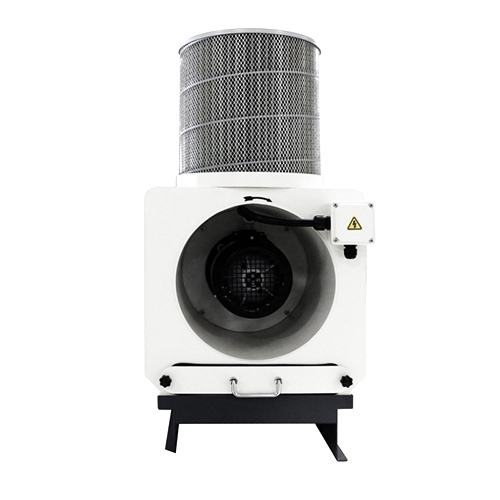
It’s important to understand the difference between an oil mist collector and other air filtration devices.
Oil Mist Collector
Designed specifically for oil droplets and coolant mist produced by machining processes. It removes oily particles efficiently without clogging quickly.
Dust Collector
Dust collectors are optimized for solid particles like sawdust, metal chips, and sanding dust. They are not effective for oily mist and may become clogged rapidly when used in oil mist applications.
Fume Extractor
Fume extractors focus on smoke and chemical vapors produced by welding or soldering. While they can capture some mist, they are not ideal for oil-based droplets.
For most metalworking workshops, the best solution is a dedicated oil mist collector, sometimes combined with dust collection for mixed environments.
Key Factors to Consider When Choosing a Workshop Oil Mist Collector
Choosing the right oil mist collector involves several key factors. As a manufacturer, we recommend evaluating the following:
Airflow (CFM) and Suction Power
The required airflow depends on the size of your workshop and the number of machines. A typical CNC machine may require a collector with 500–1500 CFM depending on the process.
Filter Efficiency and Filter Type
Filter efficiency is measured by how effectively it captures particles. For oil mist, look for high-efficiency coalescing filters and optional HEPA filtration for ultra-clean air.
Suitable for CNC Machines, Lathe, Grinding Machines
Make sure the collector is compatible with your specific machines. Some systems are designed for lathe operations, while others are optimized for grinding or milling.
Noise Level and Energy Consumption
A noisy system can be disruptive. Modern oil mist collectors are designed to operate quietly and efficiently, with low power consumption.
Maintenance Cost and Filter Replacement Frequency
Maintenance should be straightforward. Look for systems with easy filter access, simple replacement, and clear maintenance schedules.
Top Workshop Oil Mist Collector Models for Different Workshop Sizes
Selecting the right model depends on workshop size and machine count. Below is a general guideline:
| Workshop Size | Recommended Collector Type | Typical Airflow (CFM) | Suitable For |
|---|---|---|---|
| Small | Portable oil mist collector | 500–800 | 1–2 machines, small CNC, lathe |
| Medium | Wall-mounted or standalone collector | 800–1500 | 3–6 machines, mixed operations |
| Large | Centralized oil mist collection system | 1500+ | Multiple machines, large shop |
A proper system design ensures efficient collection and reduces energy waste. As a manufacturer, we can provide customized solutions based on your workshop layout.
Maintenance Guide: How to Keep Your Oil Mist Collector Working Efficiently
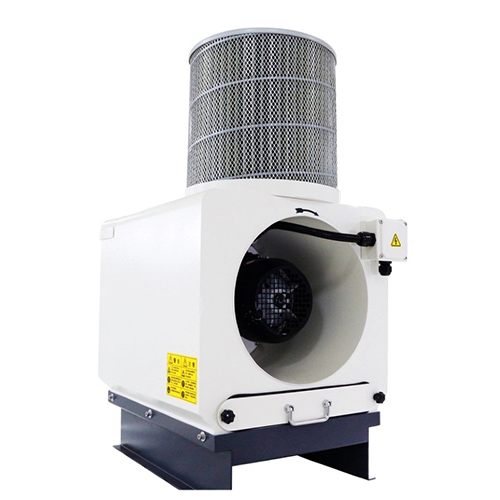
Proper maintenance is essential for long-term performance. Here are some best practices:
Filter Replacement and Cleaning Schedule
- Primary filter: Replace every 3–6 months depending on usage.
- HEPA filter: Replace every 12 months or as required.
- Cyclone separator: Clean monthly or when oil buildup is noticeable.
Common Issues and Troubleshooting
Low suction: This may indicate clogged filters or blocked ducting.
Oil leakage: Usually caused by improper filter installation or a full collection tank.
Noise increase: Could be caused by motor issues or clogged filters.
How to Clean Filters Properly
Clean filters using compressed air or a gentle wash (depending on filter type). Avoid harsh chemicals or high-pressure washing that can damage the filter media.
How to Improve Filter Lifespan
Use pre-filters or mesh screens to remove larger particles. This reduces the load on primary filters and extends their service life.
Benefits of Using a Workshop Oil Mist Collector
As a manufacturer, we see the real benefits of oil mist collectors in the field:
Protecting Equipment
Oil mist can damage machine components and electrical systems. A collector reduces corrosion and extends equipment life.
Improving Air Quality and Worker Health
Cleaner air improves working conditions and reduces respiratory issues. This is especially important in CNC and grinding shops where mist is heavy.
Reducing Fire Hazard and Workshop Contamination
Oil mist is flammable. Collecting it reduces the risk of ignition and keeps the workshop cleaner.
Compliance with Safety Regulations
Many regions require proper ventilation and air filtration in industrial environments. Using an oil mist collector helps your workshop meet those standards.
Why Choosing a Manufacturer-Direct Oil Mist Collector Matters
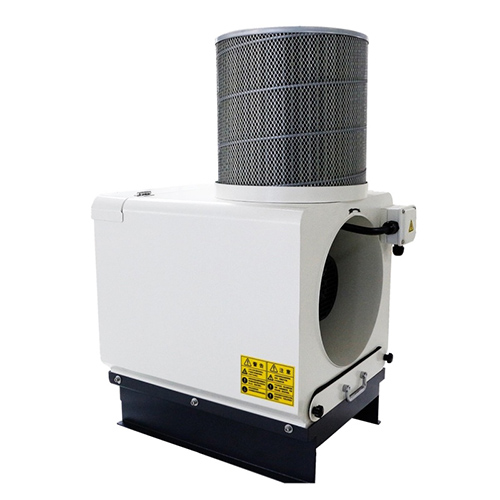
Buying directly from a manufacturer offers several advantages:
Better Customization for Your Workshop
We can tailor airflow, filter types, and ducting layouts based on your needs. Custom solutions ensure optimal performance.
Higher Quality Control and Reliability
As the manufacturer, we control every stage of production. This ensures consistent quality and dependable performance.
Cost Advantages (No Middleman)
Purchasing direct reduces cost and avoids markup from distributors. You also get direct access to technical support.
After-Sales Service and Spare Parts Support
Manufacturers can provide quick replacement parts and support. This minimizes downtime and ensures continuous operation.
Conclusion
A workshop oil mist collector is essential for any metalworking shop that uses coolant-based machining. From improving air quality and protecting equipment to reducing maintenance costs and meeting safety regulations, the benefits are clear. As a manufacturer, we can provide customized solutions, reliable performance, and long-term support. If your workshop is struggling with oil mist, investing in the right oil mist collector will significantly improve productivity and safety.
FAQ
How often should I change the oil mist collector filter?
Filter replacement depends on usage and mist concentration. A typical schedule is every 3–6 months for primary filters and every 12 months for HEPA filters.
Why is my oil mist collector leaking oil?
Leakage is often caused by a full collection tank or improper filter installation. Check the tank and filter seals.
How to install a workshop oil mist collector?
Installation involves placing the unit near the mist source, connecting ducting, and ensuring proper airflow. Our engineers can provide a customized installation plan.
What is the best oil mist collector for CNC machines?
A collector with high airflow and coalescing filters is ideal. For heavy-duty CNC operations, a centralized system may be more efficient.
What is the difference between oil mist collector and air purifier?
Air purifiers are designed for dust and general indoor air quality, not oil mist. Oil mist collectors are specialized for oil droplets and coolant mist.