-
WhatsAPP: +86 18706448138
-
Tengzhou, Shandong, China

Innovative Electrical Solutions for CNC Machines
Innovative Electrical Solutions for CNC Machines

Choosing Between Different Types of CNC Manual Pulse Generators
Explore different types of CNC manual pulse generators, their features, applications, and how to choose the right one for your machining needs.
Table of Contents
Introduction
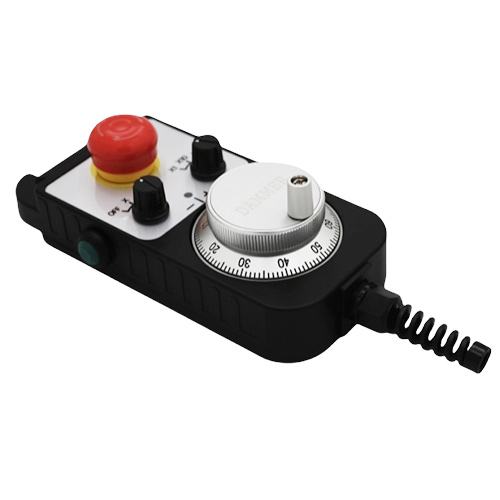
A CNC manual pulse generator is an essential device for operators who require precise control over their CNC machines. As a manufacturer of high-quality manual pulse generators, we understand the importance of accuracy, durability, and user-friendly design. These devices allow machinists to make fine adjustments to the machine’s axes, improving machining precision and reducing errors during operations.
Whether you are working with milling machines, lathes, or other CNC equipment, a reliable manual pulse generator enhances both efficiency and control. The right generator can significantly improve workflow, especially in complex projects that demand high precision.
How Pulse Generators Work
A pulse generator translates the rotational movement of a handwheel into electrical pulses that the CNC controller interprets. Each pulse corresponds to a small movement along the machine’s axis, allowing precise incremental adjustments.
The main components include:
- A handwheel for manual rotation
- Encoder to convert rotation into pulses
- Display (optional) for digital feedback
- Mounting interface compatible with CNC controllers
Manual pulse generators can be purely mechanical or digital. Mechanical types provide tactile feedback, while digital versions offer high precision with additional features such as programmable steps or digital readouts.
Types of CNC Manual Pulse Generators
Rotary Handwheel Manual Pulse Generators
Rotary handwheel generators are the most common type. They allow operators to rotate the wheel to move the CNC axis incrementally. These are often used in both milling and lathe machines due to their simplicity and durability.
Digital Manual Pulse Generators with Display
Digital generators include a small display that shows real-time movement data. This type is ideal for applications that require high precision and clear visual feedback. Digital readouts make complex adjustments easier and reduce the risk of errors.
Compact and Ergonomic Manual Pulse Generators
Compact designs are suitable for small workshops or portable CNC setups. Ergonomic handwheels ensure ease of use during long operations, reducing fatigue for operators while maintaining precise control.
Comparison Table: Key Specifications
| Type | Resolution | Display | Typical Use | Price Range |
|---|---|---|---|---|
| Rotary Handwheel | 0.001 mm | No | Milling, Lathe | Low |
| Digital with Display | 0.0001 mm | Yes | High-precision CNC | Medium-High |
| Compact Ergonomic | 0.001 mm | Optional | Small Workshops | Medium |
Applications and Benefits of Manual Pulse Generators
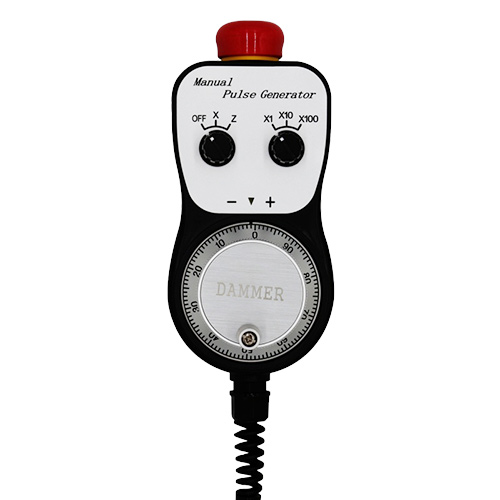
Manual pulse generators are widely used in industries where precision is critical, including aerospace, automotive, and prototyping workshops. Key benefits include:
- Enhanced control: Operators can make minute adjustments accurately.
- Improved machining accuracy: Reduces the chance of errors in manual operations.
- Versatility: Compatible with various CNC machines such as milling machines and lathes.
- Increased efficiency: Allows faster setup and smoother operation during complex projects.
Key Features to Look for When Choosing a Manual Pulse Generator
When selecting a CNC manual pulse generator, consider these important factors:
- Precision and resolution: Higher resolution provides more accurate movement.
- Compatibility: Ensure the generator fits your CNC machine model.
- Build quality: Durable materials ensure long-term reliability.
- Display type: Digital readouts can significantly improve ease of use.
- Ease of installation: Simple mounting and connectivity reduce setup time.
- Optional features: Programmable steps or feedback signals may enhance workflow.
Common Issues and Troubleshooting Tips
Even the best generators may experience occasional issues. Common problems include:
- Calibration drift: Regular calibration ensures consistent accuracy.
- Mechanical wear: Handwheels and encoders may wear over time; replace parts as needed.
- Connectivity problems: Check cables and interface compatibility with your CNC controller.
Routine maintenance, proper installation, and careful handling can extend the life of your pulse generator.
How to Buy the Right Pulse Generator
As a manufacturer, we emphasize the importance of purchasing from trusted sources. To select the right generator:
- Verify supplier reliability and product quality
- Match specifications to your CNC machine and required precision
- Consider additional features like digital displays or programmable steps
- Evaluate warranty and after-sales support
High-quality pulse generators improve machining accuracy, reduce downtime, and enhance operator efficiency, making the investment worthwhile.
Industry Trends and Innovations in Manual Pulse Generators
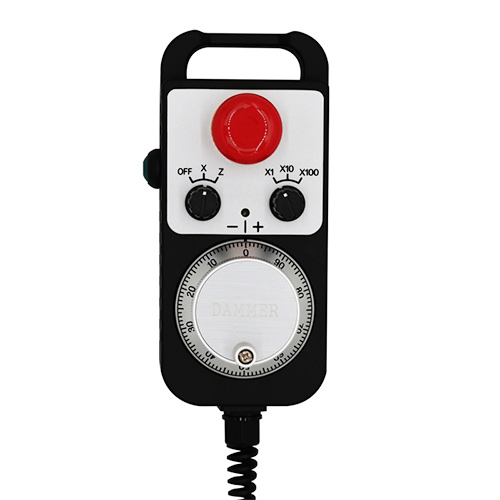
The CNC industry is evolving rapidly, and manual pulse generators are keeping pace with innovations. Emerging trends include:
- Digital upgrades: Integration with CNC controllers for smart feedback
- High-precision designs: Resolutions as low as 0.0001 mm
- Ergonomic and compact designs: Suitable for modern workshops with limited space
- Future automation trends: Combining manual control with automated CNC processes for flexibility
Conclusion
Selecting the right CNC manual pulse generator is critical for any machinist or manufacturer aiming for precision and efficiency. Understanding the differences between rotary, digital, and compact types ensures that you choose the best fit for your CNC machine and workflow.
As a trusted manufacturer, we provide high-quality manual pulse generators designed for durability, precision, and ease of use. Investing in the right generator not only improves accuracy but also enhances productivity, reduces errors, and supports long-term success in your machining operations.
For professional advice or to explore our range of manual pulse generators for CNC machines, contact us today.
FAQ
Q1: What is a pulse generator?
A: A pulse generator is a device used with CNC machines to provide precise, incremental control over machine axes, improving accuracy and operator control.
Q2: How does a CNC manual pulse generator work?
A: It converts the rotation of a handwheel into electrical pulses that the CNC controller interprets, allowing fine adjustments along the machine’s axes.
Q3: What are the types of manual pulse generators?
A: Common types include rotary handwheel generators, digital generators with displays, and compact ergonomic models suitable for small workshops.
Q4: Can a pulse generator be used with milling machines and lathes?
A: Yes, pulse generators are compatible with most CNC equipment, including milling machines and lathes, to ensure high precision in machining.
Q5: How do I choose the right pulse generator for my CNC machine?
A: Consider precision, compatibility with your CNC model, display type, build quality, and optional features like programmable steps or digital feedback.