-
WhatsAPP: +86 18706448138
-
Tengzhou, Shandong, China

Innovative Electrical Solutions for CNC Machines
Innovative Electrical Solutions for CNC Machines

How a Commercial Oil Water Separator Works: A Complete Guide for Manufacturers
Learn how commercial oil water separators work, choose the right system, and maintain efficiency. Expert insights from the manufacturer.
Table of Contents
Introduction
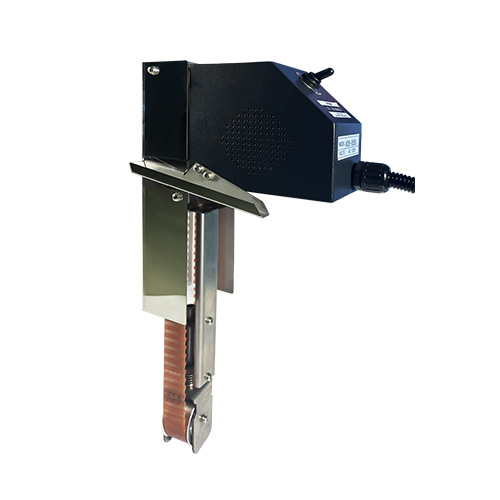
Commercial oil water separators play a critical role in maintaining clean water and reducing environmental impact across industries. Whether in restaurants, automotive workshops, or manufacturing facilities, these separators help remove oil, grease, and other contaminants from wastewater before it enters the drainage system.
As a manufacturer of commercial oil water separators, we understand the importance of delivering reliable, high-performance solutions. This guide aims to help facility managers, engineers, and potential customers understand how commercial oil water separators work, how to select the right system, and how to maintain it for optimal performance.
What is a Commercial Oil Water Separator?
A commercial oil water separator is a specialized device designed to separate oils and suspended solids from wastewater. These systems are widely used in commercial kitchens, industrial workshops, and manufacturing plants to ensure compliance with environmental regulations and to reduce operational hazards caused by oily wastewater.
There are several types of commercial oil water separators:
- Gravity separators – rely on density differences to separate oil from water.
- Coalescing plate separators – use inclined plates to increase separation efficiency.
- Centrifugal separators – use rotational force to separate oil particles from water.
Differences Between Industrial and Commercial Oil Water Separators
| Feature | Industrial Oil Water Separator | Commercial Oil Water Separator |
|---|---|---|
| Capacity | 500–5000+ gallons per hour | 50–500 gallons per hour |
| Application | Large manufacturing plants, refineries | Restaurants, workshops, small factories |
| Size | Large footprint | Compact design for tight spaces |
| Efficiency | Handles high volume, continuous operation | Optimized for moderate flow and easy maintenance |
| Installation | Often requires professional setup | Can be installed on-site with minimal infrastructure |
Understanding these differences helps you choose the right system based on your facility’s wastewater volume and operational needs.
How a Commercial Oil Water Separator Works
Commercial oil water separators operate based on the principle of density separation, where oil rises to the surface and water flows underneath. The process is simple yet highly effective for separating free-floating oils and grease.
Key Components of a Commercial Oil Water Separator
- Separator tank – the main chamber where oil and water separation occurs.
- Inlet and outlet pipes – ensure proper flow through the system.
- Oil collection compartment – collects the separated oil for disposal or recycling.
- Filter modules – remove solids and debris to enhance separation efficiency.
Flow Process Explained Step by Step
- Wastewater enters the separator through the inlet.
- Oil begins to rise naturally due to lower density than water.
- Water passes through filters or coalescing plates to remove fine oil droplets.
- Clean water exits through the outlet, while oil is collected for disposal or reuse.
This step-by-step flow ensures consistent separation performance while minimizing maintenance requirements.
Benefits of Installing a Commercial Oil Water Separator
Investing in a commercial oil water separator offers several advantages for businesses:
- Cost savings – reduces the need for frequent cleaning of pipes and drainage systems.
- Regulatory compliance – ensures adherence to environmental and wastewater discharge standards.
- Workplace safety – prevents slippery floors and potential accidents caused by oil spills.
- Environmental protection – reduces oil contamination in local waterways.
Environmental Compliance and Waste Management
Modern commercial oil water separators help facilities comply with regulations such as local wastewater discharge permits. By separating oil effectively, businesses minimize fines and maintain a reputation for environmental responsibility.
How to Choose the Right Commercial Oil Water Separator
Selecting the proper commercial oil water separator requires evaluating your facility’s requirements, expected wastewater volume, and desired efficiency.
Top Features to Look for in a Commercial Oil Water Separator
- High separation efficiency – capable of removing up to 99% of free-floating oils.
- Durable materials – corrosion-resistant steel or high-quality plastics for long service life.
- Ease of maintenance – removable filters, accessible oil collection compartments.
- Compact design – suitable for limited spaces in kitchens or small workshops.
- Energy efficiency – low power consumption for pumps or automated features.
Installation and Maintenance Tips
Proper installation and maintenance are essential for consistent performance.
- Choose a level surface near the main wastewater line.
- Ensure inlet and outlet pipes are correctly aligned to maintain optimal flow.
- Clean oil collection compartments and filters regularly.
- Check seals and gaskets periodically to prevent leaks.
Common Maintenance Mistakes to Avoid
- Delaying filter cleaning, leading to reduced separation efficiency.
- Ignoring oil removal, causing overflow or contamination.
- Incorrect installation that disrupts water flow.
Common Problems and Troubleshooting
Even high-quality commercial oil water separators can encounter problems if not properly maintained.
- Low separation efficiency – may be caused by overloading or improper flow.
- Clogged filters – regular cleaning prevents blockage.
- Oil leakage – check seals, gaskets, and oil collection compartments.
How Manufacturers Recommend Troubleshooting
- Adjust flow rates to match the system’s capacity.
- Replace or clean filter modules when needed.
- Inspect and repair any damaged parts promptly to prevent further issues.
Innovations in Commercial Oil Water Separator Technology
Manufacturers continually improve separator technology to enhance efficiency and ease of use:
- Advanced coalescing plate designs – increase separation efficiency.
- Smart monitoring systems – detect oil levels and maintenance needs.
- Automatic cleaning mechanisms – reduce manual labor and downtime.
How Manufacturers Improve Efficiency and Reliability
As a manufacturer, we focus on high-quality materials, precise engineering, and smart design. Our systems are tested to handle varying oil loads, ensure compliance with regulations, and provide long-term durability for commercial applications.
Commercial Applications of Oil Water Separators
Commercial oil water separators are versatile and widely used across industries:
- Restaurants and food service facilities – manage grease and cooking oil wastewater.
- Automotive repair shops – separate engine oils, lubricants, and coolants.
- Industrial workshops – process wastewater from machining, metalworking, and fabrication.
Case Studies or Real-World Examples
- A mid-sized restaurant reduced grease buildup in drains by 90% after installing a commercial oil water separator.
- A small automotive workshop met local environmental discharge standards and avoided fines using a compact separator system.
Conclusion
Commercial oil water separators are essential tools for businesses seeking to reduce environmental impact, comply with regulations, and maintain clean, safe facilities. By understanding how these systems work, choosing the right model, and performing regular maintenance, facility managers can maximize performance and lifespan.
As a manufacturer, we design and produce high-quality commercial oil water separators that combine efficiency, durability, and ease of use. Investing in a reliable separator not only protects your business but also contributes to a cleaner, safer environment.
FAQ
Q1: What is a commercial oil water separator?
A: A commercial oil water separator is a device designed to remove oil, grease, and other contaminants from wastewater, ensuring clean water discharge and compliance with environmental regulations.
Q2: How does a commercial oil water separator work?
A: It separates oil from water using gravity, coalescing plates, or centrifugal force. Oil rises to the surface while clean water exits through the outlet.
Q3: Where are commercial oil water separators used?
A: They are commonly used in restaurants, automotive workshops, factories, and industrial facilities to manage oily wastewater efficiently.
Q4: How do I maintain a commercial oil water separator?
A: Regularly clean filters, remove collected oil, inspect seals and gaskets, and ensure proper water flow to maintain optimal performance.
Q5: How do I choose the right commercial oil water separator?
A: Consider your facility’s wastewater volume, required separation efficiency, space availability, and durability when selecting the best system for your needs.